Colorado Springs' older neighborhoods—Old North End, Ivywild, Shooks Run, Old Colorado City, Broadmoor, and Patty Jewett—contain some of the most charming homes in the Pikes Peak region. These historic and vintage properties offer character, craftsmanship, and established landscapes that newer construction simply can't match.
But homes built before modern HVAC standards and energy codes present unique challenges for heating and cooling. Understanding these challenges helps owners maintain comfort while preserving the character that makes these homes special.
Inadequate or Retrofitted Ductwork
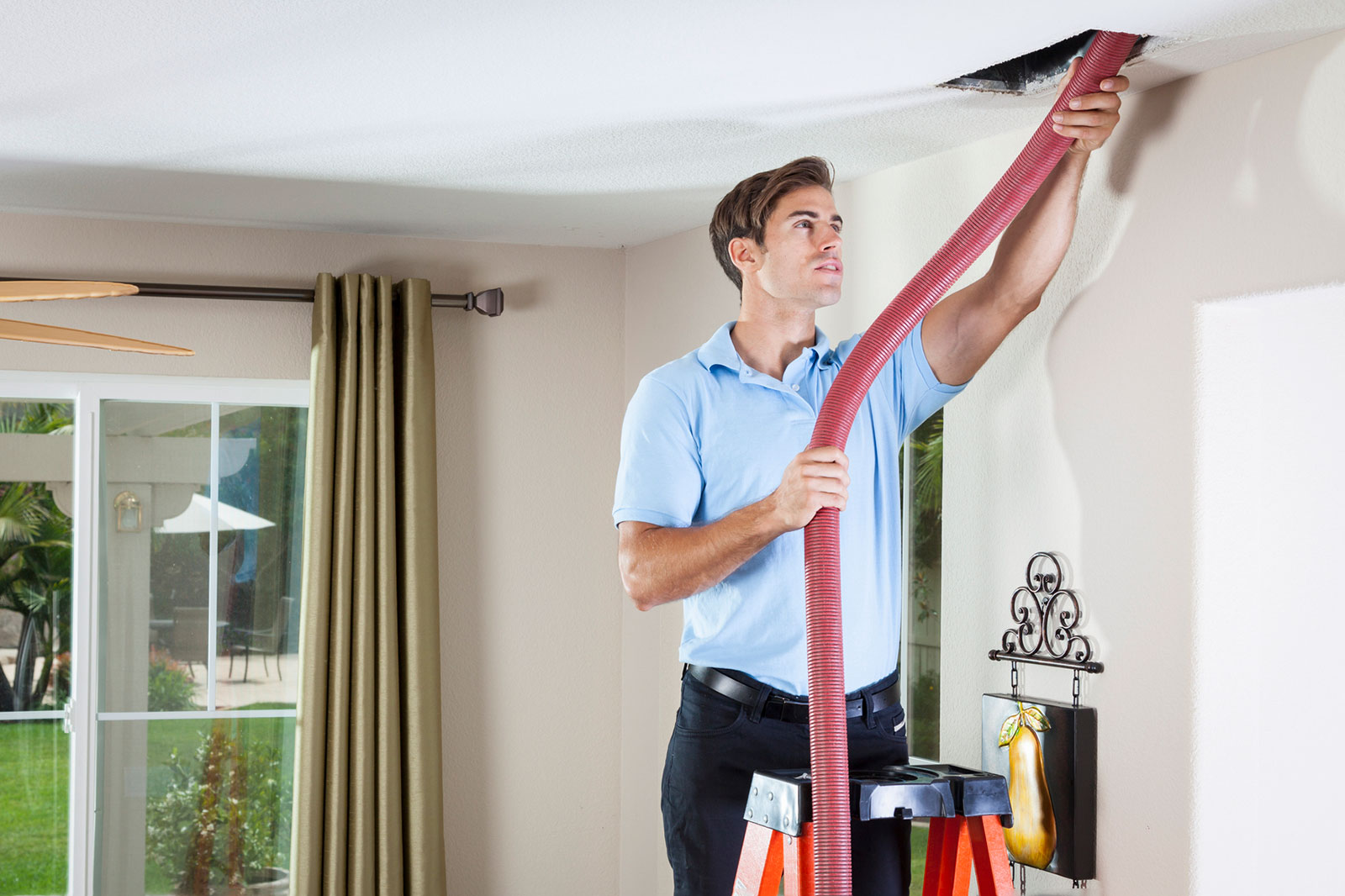
Many older Colorado Springs homes weren't originally built with central heating and cooling. When forced-air systems were added later, ductwork was often squeezed into whatever spaces were available—closets, floor cavities, and oddly shaped attic spaces.
This retrofitted ductwork frequently has problems:
- Undersized ducts that restrict airflow and reduce system efficiency
- Excessive length and turns that create resistance and uneven distribution
- Poor sealing where ducts connect or pass through walls
- Inadequate return air because returns require larger ducts that older homes often can't accommodate
Solutions range from sealing and insulating existing ductwork to complete replacement with properly designed systems. In some cases, ductless mini-split systems offer an alternative that doesn't require extensive ductwork at all.
Inadequate Insulation
Building codes have evolved dramatically over the decades. Homes built in the early-to-mid 1900s often have insulation levels that would be considered grossly inadequate today—or no insulation at all in some areas.
Common insulation deficiencies include:
- Walls with minimal or settling insulation
- Attics with only 3-6 inches of insulation versus the R-49 to R-60 recommended today
- Uninsulated floor cavities over crawl spaces or basements
- Single-pane windows that offer virtually no insulating value
Improving insulation in older homes requires care. Walls may have plaster and lath construction that's difficult to insulate without damage. Attic additions must account for proper ventilation. But targeted improvements—blown-in wall insulation, attic insulation additions, storm windows—can dramatically reduce heating and cooling loads.
Air Infiltration and Drafts
Older homes were built when energy was cheap and "breathing" construction was considered healthy. They typically have far more air infiltration than modern, tightly sealed homes.
While some air exchange is necessary, excessive infiltration wastes energy and creates uncomfortable drafts. Common infiltration sources in older homes include:
- Gaps around original windows and doors
- Cracks where different building materials meet
- Openings around pipes, wires, and chimneys
- Unweatherstripped attic access doors
- Foundation-to-wall junctions
Comprehensive air sealing can reduce infiltration significantly without compromising the home's ability to breathe. The key is targeted sealing of major air pathways while maintaining adequate ventilation for indoor air quality and moisture control.
Oversized or Undersized HVAC Equipment
When older homes had HVAC systems installed or replaced over the years, proper sizing wasn't always performed. Equipment was often selected based on rules of thumb or sized to match whatever was being replaced—regardless of whether the original was appropriately sized.
Older homes often have features that complicate sizing calculations: irregular room layouts, varying ceiling heights, additions built at different times, and insulation that varies throughout the structure. Standard sizing assumptions don't apply.
When it's time to replace HVAC equipment in an older home, proper load calculations are essential. A contractor experienced with historic and older homes can account for the unique characteristics of your property rather than applying one-size-fits-all formulas.
Limited Space for Equipment
Older homes often lack the utility rooms and spacious basements common in modern construction. Equipment must fit in cramped closets, small utility areas, or attic spaces that weren't designed for mechanical systems.
This creates challenges for replacement: modern high-efficiency equipment may not fit in spaces that housed older, smaller units. Horizontal furnace configurations, compact designs, and creative installation solutions are often necessary.
Ductless mini-split systems offer particular advantages in older homes. They require only a small hole through the exterior wall for refrigerant lines, avoiding the need to route extensive ductwork through finished spaces. They can provide heating and cooling to additions, converted attics, or rooms with inadequate duct service.
Radiator and Boiler Systems
Many of Colorado Springs' oldest homes were built with hot water or steam radiator systems. These systems can provide excellent comfort, but they present unique maintenance and replacement considerations.
Radiator systems require different maintenance than forced-air: bleeding air from lines, checking expansion tanks, monitoring water levels, and maintaining proper pressure. Many HVAC contractors focus primarily on forced-air systems and may not have extensive experience with hydronic heating.
When boilers reach end of life, homeowners face a choice: replace with a new boiler (maintaining the radiator infrastructure) or convert to forced-air (requiring ductwork installation). Both options have merits depending on the home's layout and the owner's preferences.
Historic Preservation Considerations
Some older Colorado Springs homes are designated historic properties or located in historic districts. These designations may restrict visible exterior modifications, affecting where equipment can be placed and how ductwork can be routed.
Even without formal historic designation, many owners of vintage homes want to preserve their character. Ugly equipment enclosures or visible ductwork can detract from architectural features. Thoughtful HVAC design minimizes visual impact while providing modern comfort.
Working With Older Homes
Successful HVAC work in older homes requires contractors who understand both the technical challenges and the preservation concerns. Look for professionals who:
- Have experience with homes from various eras, not just new construction
- Can evaluate and work with existing systems rather than automatically recommending replacement
- Understand options like ductless systems that suit older homes
- Respect the home's character while solving comfort problems
- Can perform proper load calculations for irregular floor plans
Colorado Springs' older neighborhoods contain homes worth preserving—and worth making comfortable. With the right approach, you can enjoy both the character of a vintage home and the comfort of modern HVAC performance.
Own an Older Colorado Springs Home?
Winterrowd HVAC understands the unique challenges of vintage and historic properties. Contact us for solutions that preserve your home's character while improving comfort.
Contact Winterrowd HVAC