The heat pump versus furnace debate is one of the most common questions Colorado Springs homeowners face when upgrading their heating systems. While heat pumps have gained popularity nationwide for their efficiency and versatility, their performance at our elevation deserves careful consideration. Understanding how both systems work—and how altitude affects them—helps you make an informed decision for your home.
How Heat Pumps Work
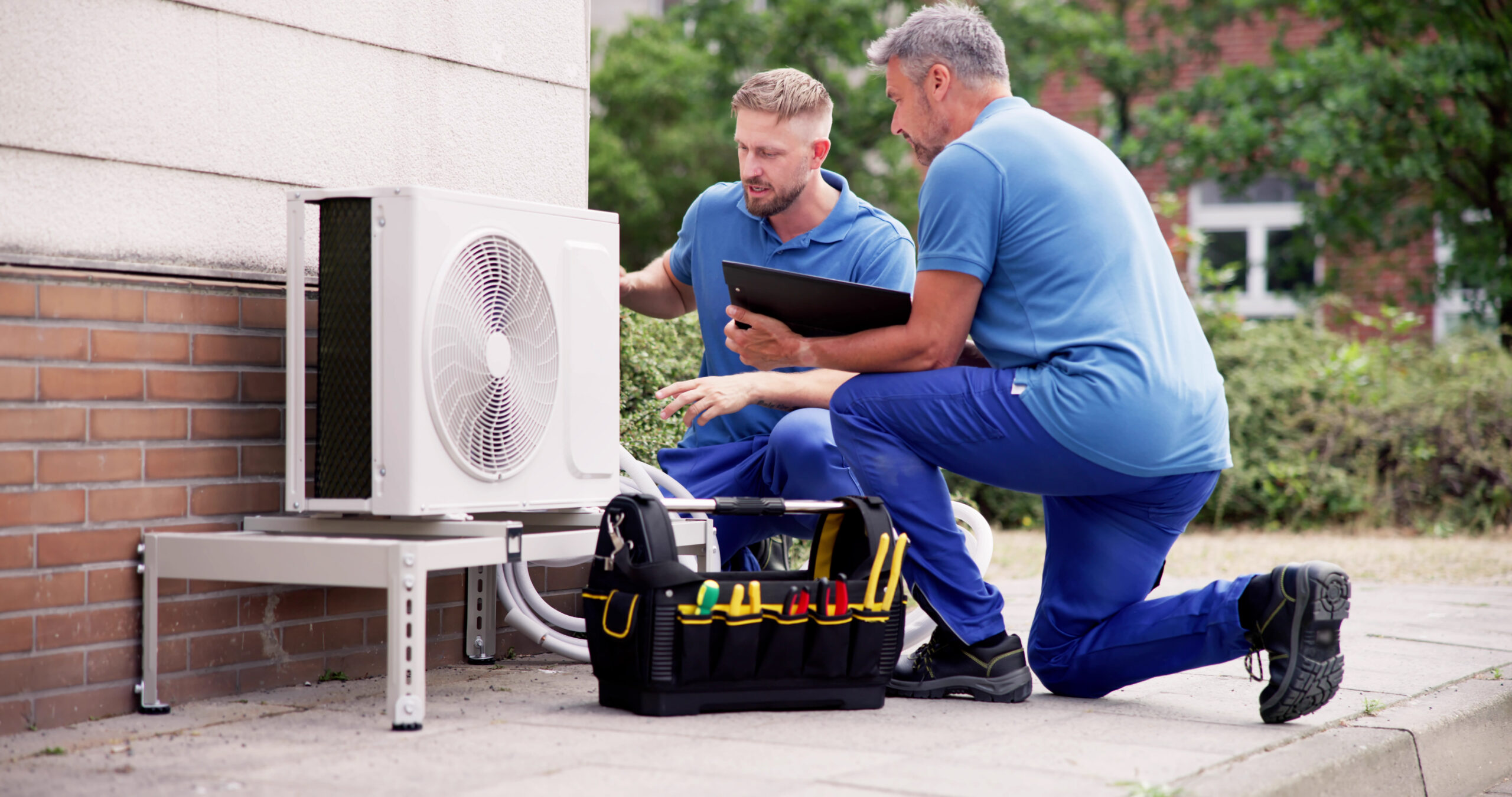
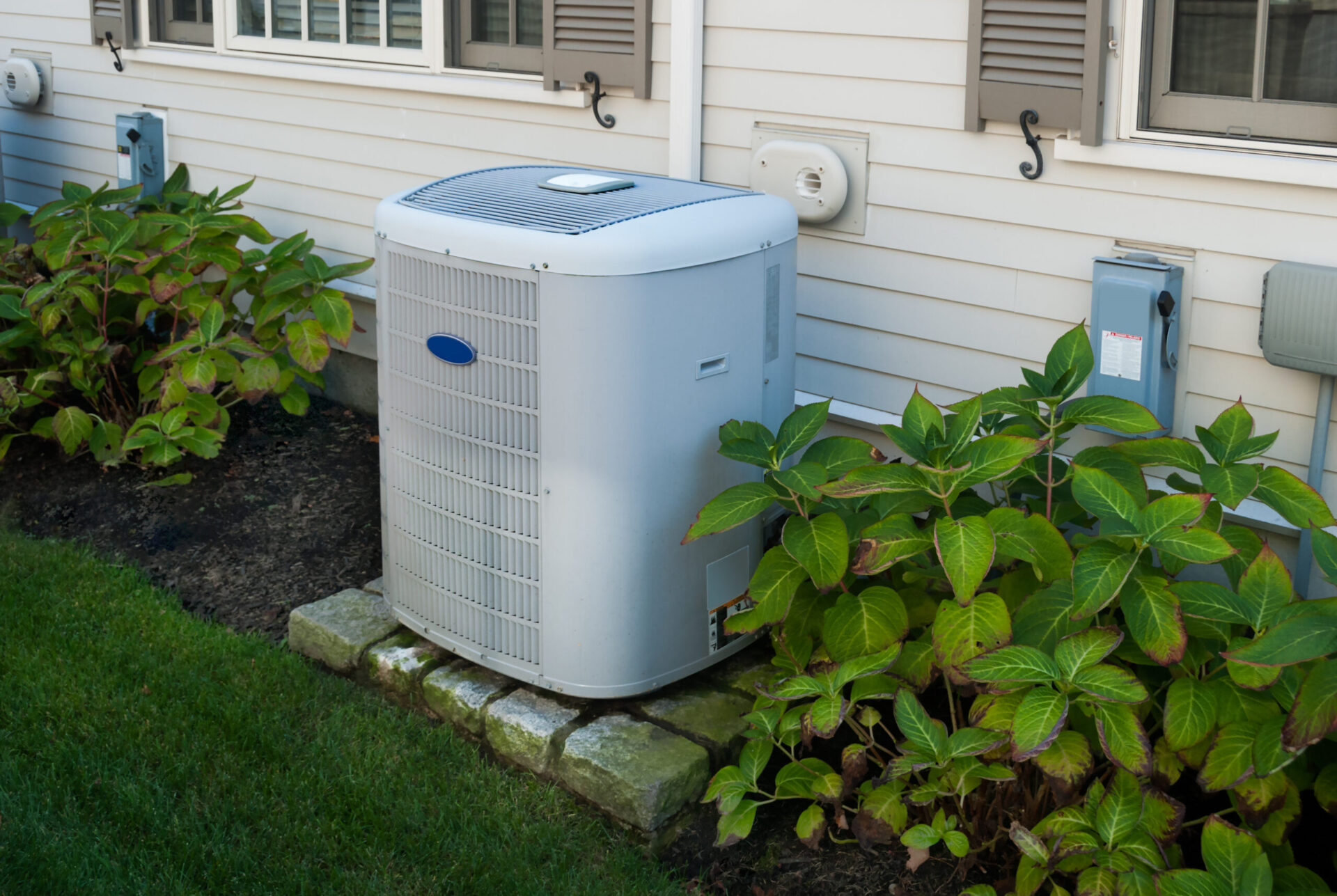
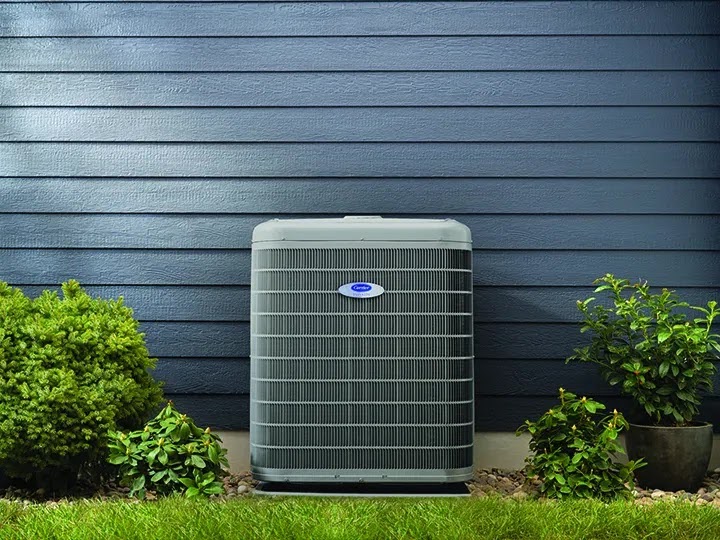
A heat pump doesn't generate heat like a furnace does. Instead, it moves heat from one place to another. In winter, it extracts heat from outdoor air and transfers it inside. In summer, it reverses, moving heat from inside your home to the outdoors—essentially functioning as an air conditioner.
This heat transfer process makes heat pumps remarkably efficient in mild climates. For every unit of electricity consumed, they can deliver 2-4 units of heating energy. Compare that to electric resistance heating, which produces exactly one unit of heat per unit of electricity, and you can see why heat pumps attract homeowners looking to reduce energy costs.
However, heat pump efficiency depends heavily on outdoor temperature. As temperatures drop, there's less heat available in outdoor air to extract. Below certain temperatures, heat pumps lose efficiency rapidly and may require backup heating to maintain comfort.
Traditional Gas Furnaces
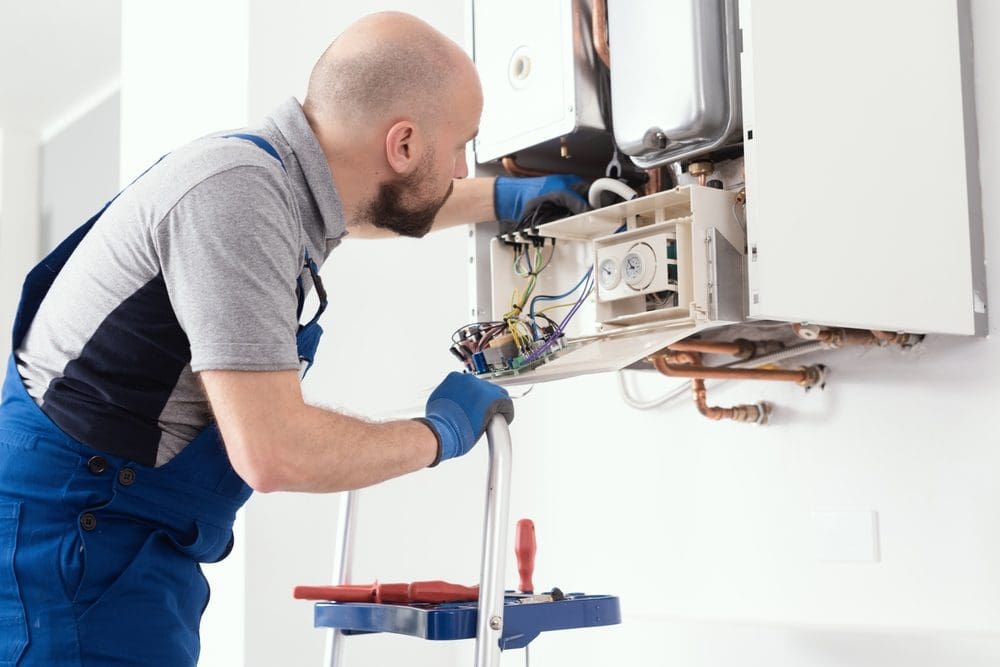
Gas furnaces generate heat by burning natural gas in a heat exchanger. A blower pushes air across this heat exchanger, warming it before distributing it throughout your home via ductwork. Modern high-efficiency furnaces convert up to 98% of fuel into usable heat.
Unlike heat pumps, furnace efficiency doesn't diminish as temperatures drop. Whether it's 40°F or -10°F outside, your furnace produces the same amount of heat per unit of fuel consumed. This consistent performance makes furnaces particularly well-suited to cold climates.
At high altitude, furnaces require specific modifications to compensate for thinner air. Without proper altitude adjustment, combustion efficiency suffers and safety concerns arise. However, when correctly configured, furnaces perform reliably at any Colorado Springs elevation.
The High-Altitude Challenge for Heat Pumps
Heat pumps face several altitude-related challenges in Colorado Springs:
Reduced Air Density
Heat pumps rely on outdoor air as their heat source. With 20% less air density at our elevation, there's simply less thermal mass available for heat extraction. This reduces the heat pump's capacity compared to its performance at sea level.
Extreme Temperature Swings
Colorado Springs' famous temperature volatility complicates heat pump operation. A system sized for average winter conditions might struggle during cold snaps, while one sized for worst-case scenarios wastes energy during milder periods. Our 40+ degree daily temperature swings mean the system rarely operates at its optimal point.
Cold Temperature Limitations
Traditional heat pumps lose effectiveness below about 25-30°F. While Colorado Springs often sees mild winter days in the 40s and 50s, nighttime temperatures regularly drop below freezing, and cold snaps can bring single digits or below-zero readings. During these times, backup heating becomes essential.
The Case for Heat Pumps in Colorado
Despite these challenges, heat pumps can make sense for some Colorado Springs homeowners. Here's why:
Mild Daytime Temperatures
Colorado enjoys abundant sunshine and often-mild daytime temperatures even in winter. A heat pump can efficiently handle heating during these periods, switching to backup only during coldest nights. This hybrid approach captures efficiency gains when conditions allow while maintaining comfort when they don't.
Cooling Efficiency
Heat pumps provide both heating and cooling. For homeowners who also need air conditioning, a heat pump eliminates the need for separate systems. The cooling performance at altitude, while affected by thin air, still provides effective summer comfort.
Cold-Climate Heat Pump Technology
Recent advances in cold-climate heat pumps have extended their effective operating range. Some models now maintain reasonable efficiency down to -15°F or lower. While still less efficient than at moderate temperatures, these units perform far better than older technology during cold snaps.
Dual-Fuel Systems: The Best of Both
For many Colorado Springs homes, a dual-fuel system offers an optimal compromise. This combines a heat pump with a gas furnace backup. The system automatically switches between the two based on outdoor temperature and operating conditions.
During mild weather—which Colorado enjoys frequently—the heat pump provides efficient heating. When temperatures drop below the heat pump's efficient operating range, typically around 30-35°F depending on the model, the system switches to the gas furnace. This approach maximizes efficiency when possible while ensuring reliable comfort during cold extremes.
The switching point can be optimized based on local utility rates. If electricity is particularly expensive, you might switch to gas at a higher temperature. If natural gas prices are high, you might run the heat pump longer before switching.
Making Your Decision
Several factors should influence your choice:
Your existing infrastructure: If you already have natural gas service and ductwork, adding or replacing a furnace is typically less expensive than installing a complete heat pump system. Conversely, if you're building new or replacing both heating and cooling equipment, a heat pump or dual-fuel system deserves consideration.
Your comfort priorities: Furnaces deliver air at higher temperatures than heat pumps—typically 120-140°F versus 90-100°F. Some people find heat pump air feels "cool" even though it's warming the house. This is a personal preference issue, not an efficiency concern.
Your environmental goals: Heat pumps, especially when powered by renewable electricity, can have lower carbon footprints than gas furnaces. Colorado's grid has become increasingly renewable, making electric heating more environmentally attractive.
Long-term costs: Heat pumps typically cost more upfront but may save money over time through lower operating costs—assuming conditions allow efficient operation. The payback calculation depends on local utility rates, system efficiency, and how often backup heat is required.
Get Expert Guidance
The right heating system depends on your specific home, preferences, and circumstances. Factors like home insulation, sun exposure, existing equipment, and local utility rates all influence the optimal choice.
Working with experienced HVAC professionals who understand high-altitude considerations ensures you get accurate sizing and appropriate equipment selection. A system that's perfect for Denver at 5,280 feet might need different specifications for homes in Monument at 7,300 feet or even different neighborhoods within Colorado Springs.
Whether you choose a furnace, heat pump, or dual-fuel system, proper installation and configuration for altitude make the difference between a system that struggles and one that delivers reliable comfort through every Colorado winter.
Need Help Choosing the Right Heating System?
Winterrowd HVAC can evaluate your home and help you select the optimal heating solution for your Colorado Springs home.
Contact Winterrowd HVAC