If you've lived in Colorado Springs for any length of time, you know our city is special. Sitting at 6,035 feet elevation with Pikes Peak towering above us, we enjoy over 300 days of sunshine, stunning views, and a climate that keeps us on our toes. But that high altitude creates unique challenges for your heating and cooling equipment—challenges that many homeowners and even some contractors don't fully understand.
Understanding how altitude affects your HVAC system isn't just academic knowledge. It has real implications for your comfort, your energy bills, and the lifespan of your equipment. Let's explore what makes high-altitude HVAC different and what you can do about it.
The Science Behind Altitude and HVAC Performance
At sea level, air pressure is approximately 14.7 pounds per square inch (PSI). Here in Colorado Springs, that pressure drops to about 11.5 PSI—roughly 20% less than at sea level. This thinner air affects your HVAC system in several important ways.
First, there's less oxygen available for combustion. Your gas furnace needs the right air-to-fuel ratio to burn efficiently and safely. At high altitude, the air contains less oxygen per cubic foot, which means combustion equipment must be adjusted to compensate. Without proper altitude adjustments, your furnace may produce excessive carbon monoxide, operate inefficiently, or fail prematurely.
Second, thinner air is less effective at transferring heat. Both heating and cooling systems rely on moving air to transfer thermal energy. When that air is less dense, the equipment must work harder to achieve the same results. This is why experienced HVAC contractors in Colorado Springs know that standard equipment ratings don't tell the whole story at altitude.
How Altitude Affects Your Furnace
Your furnace faces the most significant altitude-related challenges. Modern gas furnaces are typically rated for operation up to specific elevations, and many require altitude kits or adjustments when installed above 2,000-4,500 feet, depending on the manufacturer.
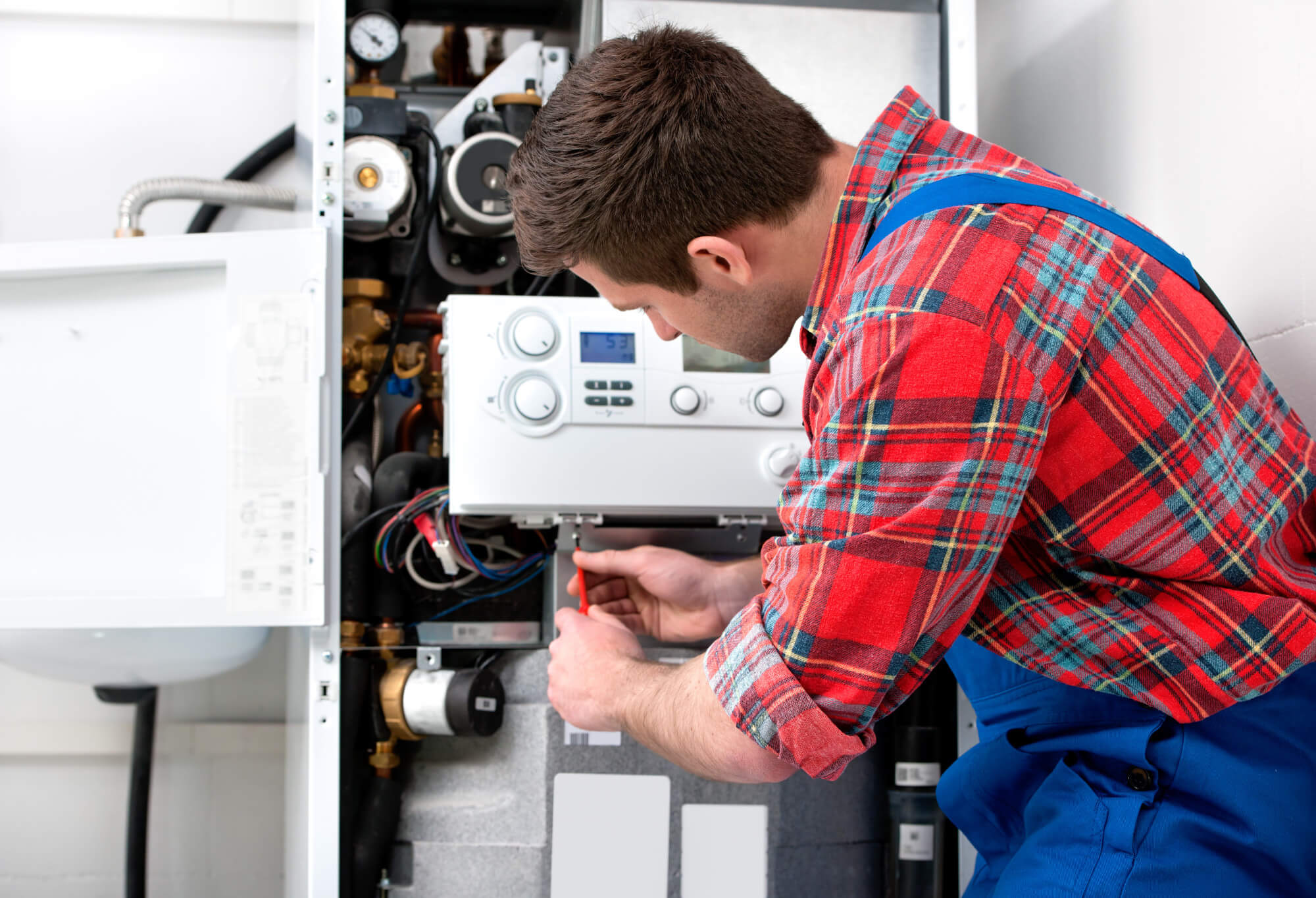
The altitude adjustment typically involves modifying the gas orifice to reduce fuel flow, ensuring proper combustion with the reduced oxygen available. Some furnaces also require blower speed adjustments to compensate for the reduced air density. Without these modifications, you might experience:
- Yellow or flickering pilot lights indicating incomplete combustion
- Sooting on heat exchangers, which reduces efficiency and can lead to cracks
- Higher than normal carbon monoxide production
- Frequent cycling as the furnace overheats and triggers safety limits
- Premature component failure due to operating outside design parameters
If your furnace was installed without proper altitude compensation, or if you moved into a home where you're unsure of its service history, having a professional inspection is worth the investment. The safety implications alone make this a priority.
Air Conditioning at Elevation
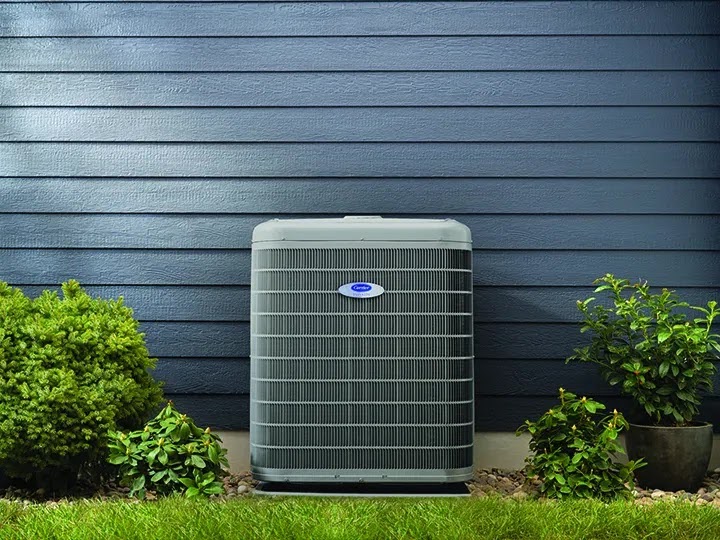
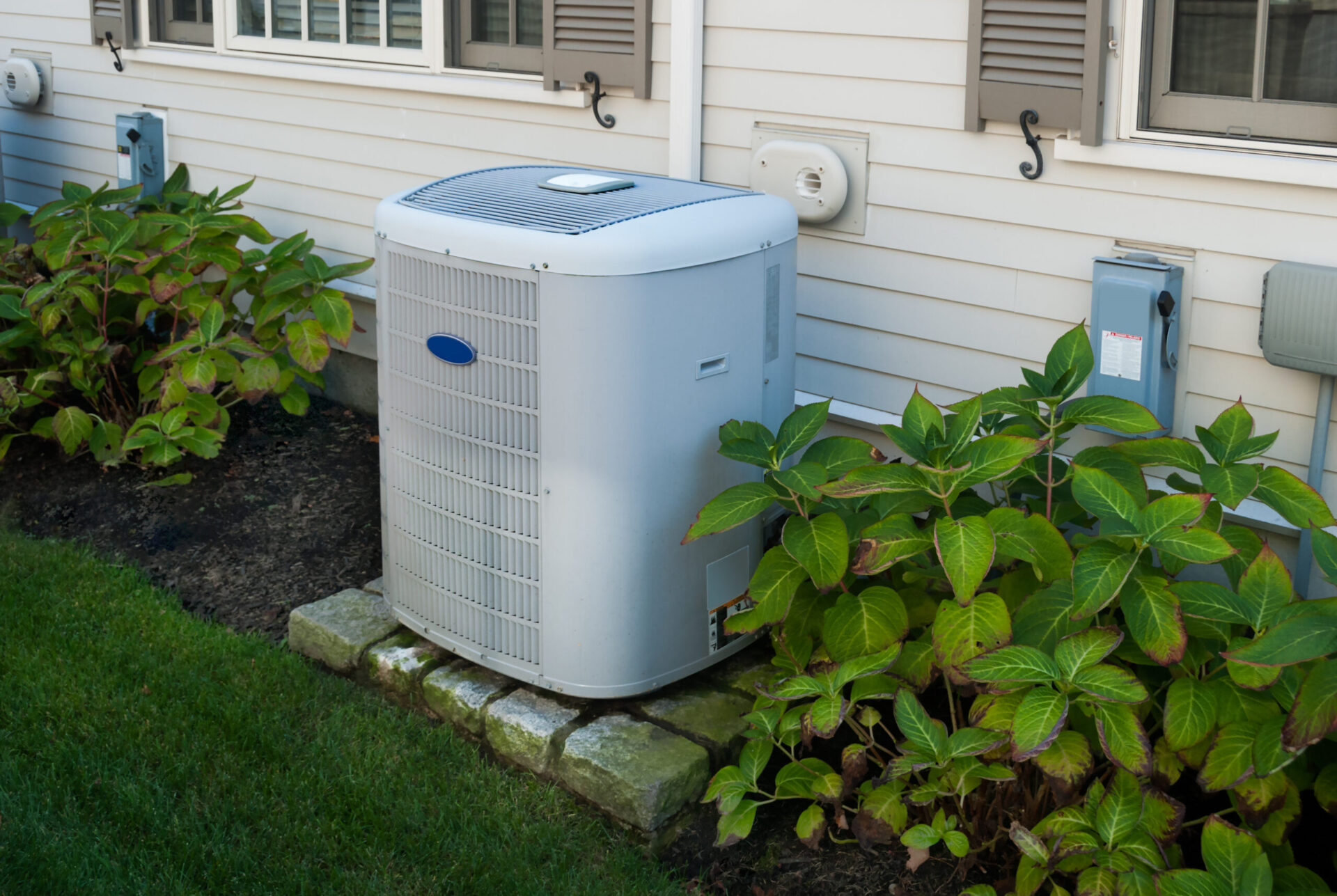
While furnaces face combustion challenges, air conditioners deal with different altitude-related issues. The reduced air density means your AC's evaporator and condenser coils have less air mass to work with for heat exchange.
Many Colorado Springs homeowners notice their AC seems to run longer than expected to cool the house, especially during our intense afternoon sun. This isn't necessarily a malfunction—it's physics. The system is working as designed, but that design was optimized for denser, sea-level air.
Additionally, our high altitude means more intense solar radiation. That brilliant Colorado sunshine delivers more UV energy than you'd experience at lower elevations, heating your home more aggressively during summer days. Your air conditioning system has to overcome this additional heat load, which wouldn't be accounted for in standard cooling calculations.
Proper Sizing Is Critical
One of the biggest mistakes in high-altitude HVAC is using standard Manual J calculations without altitude corrections. Manual J is the industry-standard method for determining heating and cooling loads, but its baseline assumptions are for sea-level conditions.
At our elevation, equipment sizing requires careful adjustment. An undersized system will run constantly without adequately heating or cooling your home. An oversized system will short cycle, never running long enough to properly dehumidify or distribute conditioned air evenly throughout your space.
When it's time to replace your system, work with a contractor who understands high-altitude sizing. Ask how they account for elevation in their load calculations. A contractor who gives you a quick quote based solely on square footage likely isn't doing the thorough analysis your Colorado Springs home requires.
Maintenance Matters More at Altitude
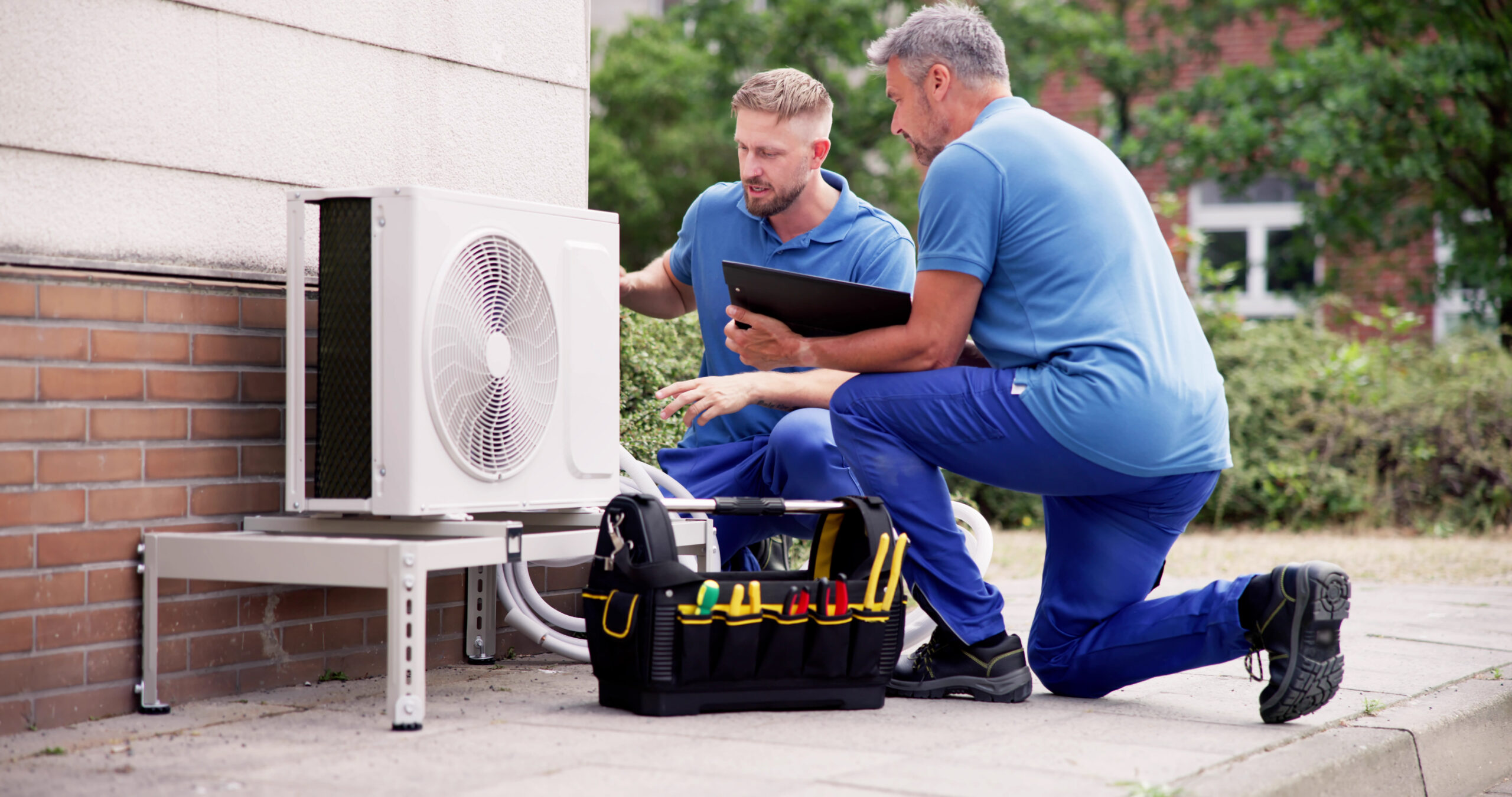
Because HVAC equipment works harder at altitude, regular maintenance becomes even more critical. Annual furnace tune-ups should include combustion analysis to verify proper air-to-fuel ratios. This isn't just about efficiency—it's a safety issue.
Air filter changes may need to happen more frequently as well. With less dense air moving through the system, any restriction from a dirty filter has an amplified impact on airflow and efficiency. Many Colorado Springs homeowners find monthly filter checks during peak heating and cooling seasons are worthwhile.
The team at Winterrowd HVAC understands these altitude-specific maintenance needs and can help ensure your system operates safely and efficiently throughout the year.
What You Can Do Today
If you're concerned about how altitude might be affecting your HVAC system, here are some practical steps:
- Check your furnace's documentation or data plate to verify it has altitude compensation
- Install carbon monoxide detectors on every level of your home if you haven't already
- Schedule a professional combustion analysis to verify safe operation
- When replacing equipment, choose models specifically rated for high-altitude operation
- Work with contractors experienced in Colorado Springs installations
Living at altitude comes with remarkable benefits—the clear air, the stunning scenery, the outdoor lifestyle that draws so many to Colorado Springs. Understanding how our elevation affects your home's mechanical systems helps you make better decisions about maintenance, repairs, and replacements. Your HVAC system can absolutely perform well at 6,000+ feet, but it requires the right equipment, proper installation, and informed care.
Need Professional HVAC Service in Colorado Springs?
Winterrowd HVAC has been serving the Pikes Peak region with expert heating and cooling services. Their team understands high-altitude HVAC challenges.
Contact Winterrowd HVAC