September in Colorado Springs brings those first crisp mornings that hint at the winter ahead. While you're still enjoying afternoon hikes and weekend trips to Pikes Peak, your furnace has been sitting idle for months. Before you need it to work overtime keeping your family warm through a Colorado winter, now is the time to ensure it's ready for the job.
A well-maintained furnace runs more efficiently, lasts longer, and is far less likely to leave you shivering during a January cold snap. This comprehensive checklist will help you prepare your heating system for the demanding months ahead.
DIY Tasks You Can Do Today
Many furnace maintenance tasks are straightforward enough for homeowners to handle themselves. Start with these basics before the heating season begins.
Replace Your Air Filter
This is the single most important maintenance task you can do, and it takes less than five minutes. A dirty filter restricts airflow, forces your furnace to work harder, increases energy consumption, and can even cause overheating and system shutdown.
For most Colorado Springs homes, a standard 1-inch pleated filter should be replaced monthly during heavy use periods. If you have pets, allergies, or live in a particularly dusty area near construction or unpaved roads, you might need to change it more frequently. Check your filter now before you need heat, and buy several replacements to have on hand for the season.
Clear the Area Around Your Furnace
Over the summer months, it's easy for storage to creep toward your furnace. Boxes, holiday decorations, old paint cans, and other items can accumulate near the unit. Clear at least three feet of space around your furnace for proper airflow and safe operation. This also makes it easier for technicians to service the unit when needed.
While you're at it, check that nothing is blocking your return air vents throughout the house. Furniture, curtains, and rugs can restrict airflow without you realizing it.
Inspect Your Vents and Registers
Walk through your home and check every supply and return vent. Make sure they're open, clean, and unobstructed. Vacuum out any dust or debris that's accumulated over the summer. While adjusting airflow by closing vents in unused rooms might seem logical, it can actually create pressure imbalances that reduce overall system efficiency.
Test Your Thermostat
Before you actually need heat, switch your thermostat to heating mode and set it a few degrees above the current room temperature. Your furnace should kick on within a minute or two. Let it run for several minutes to make sure warm air is flowing from the vents and the system cycles off when the set temperature is reached.
If you have an older thermostat, consider upgrading to a programmable or smart model. Being able to automatically lower the temperature while you're away or sleeping can significantly reduce your heating costs over a Colorado winter.
Check Your Carbon Monoxide Detectors
This isn't technically furnace maintenance, but it's critically important safety equipment that works hand-in-hand with your heating system. Test all CO detectors in your home and replace batteries if needed. Carbon monoxide is odorless and colorless, making detectors your only warning system. At high altitude, where combustion equipment requires specific adjustments, functional CO detectors are essential.
Professional Maintenance Tasks
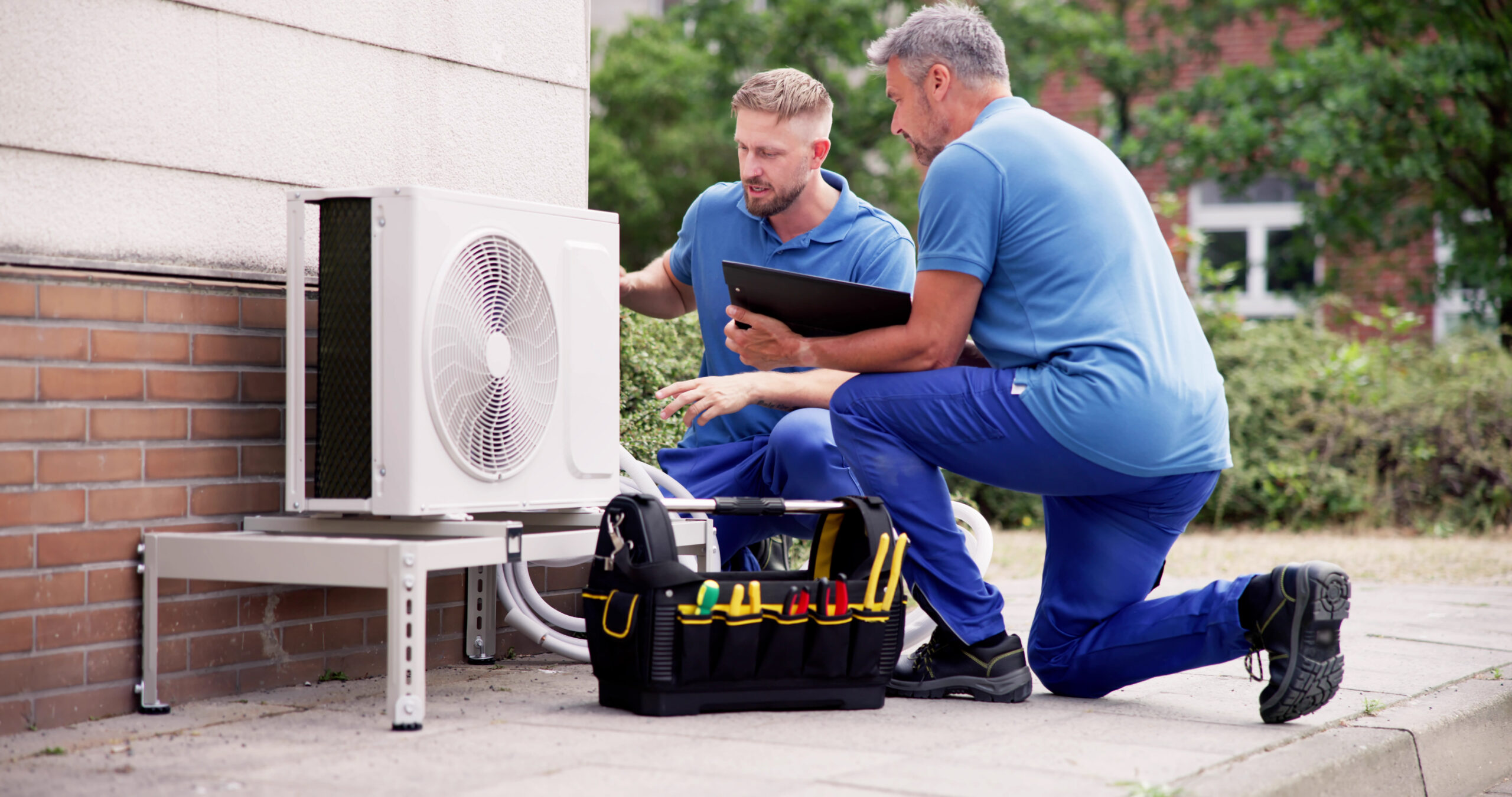
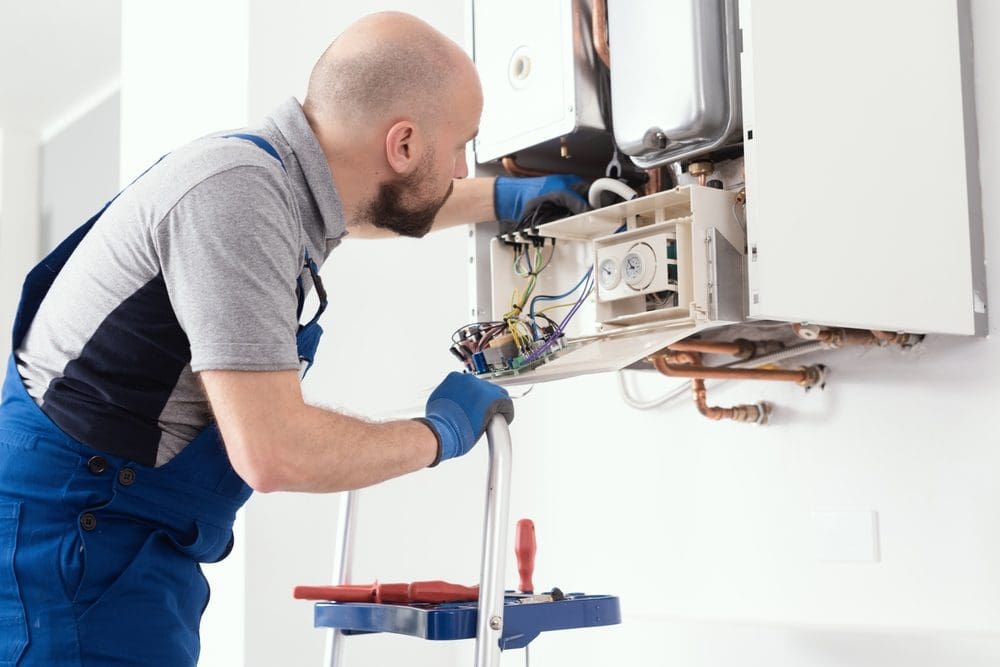
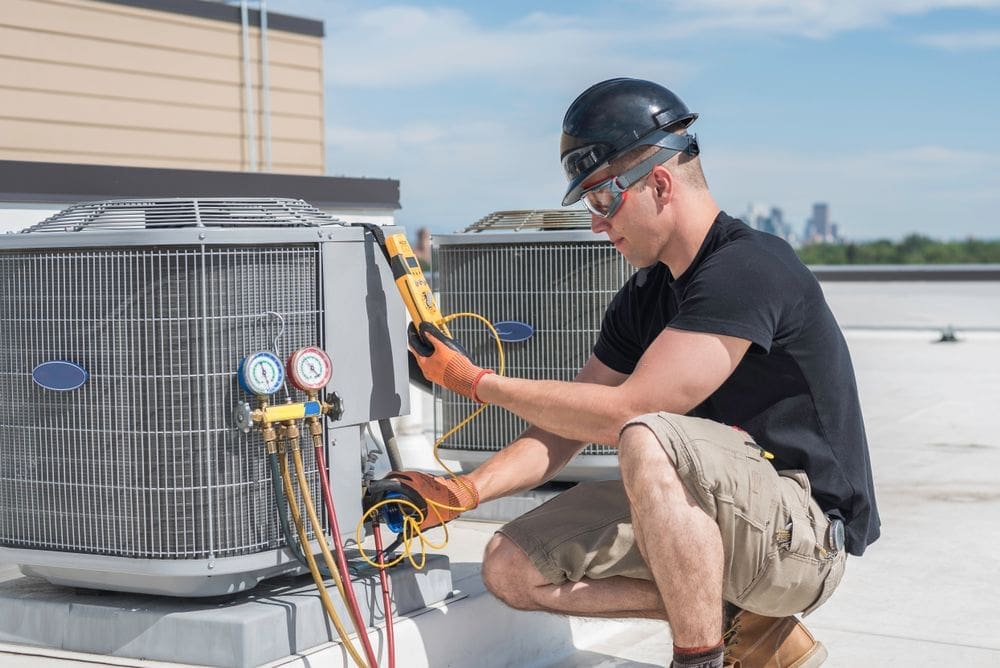
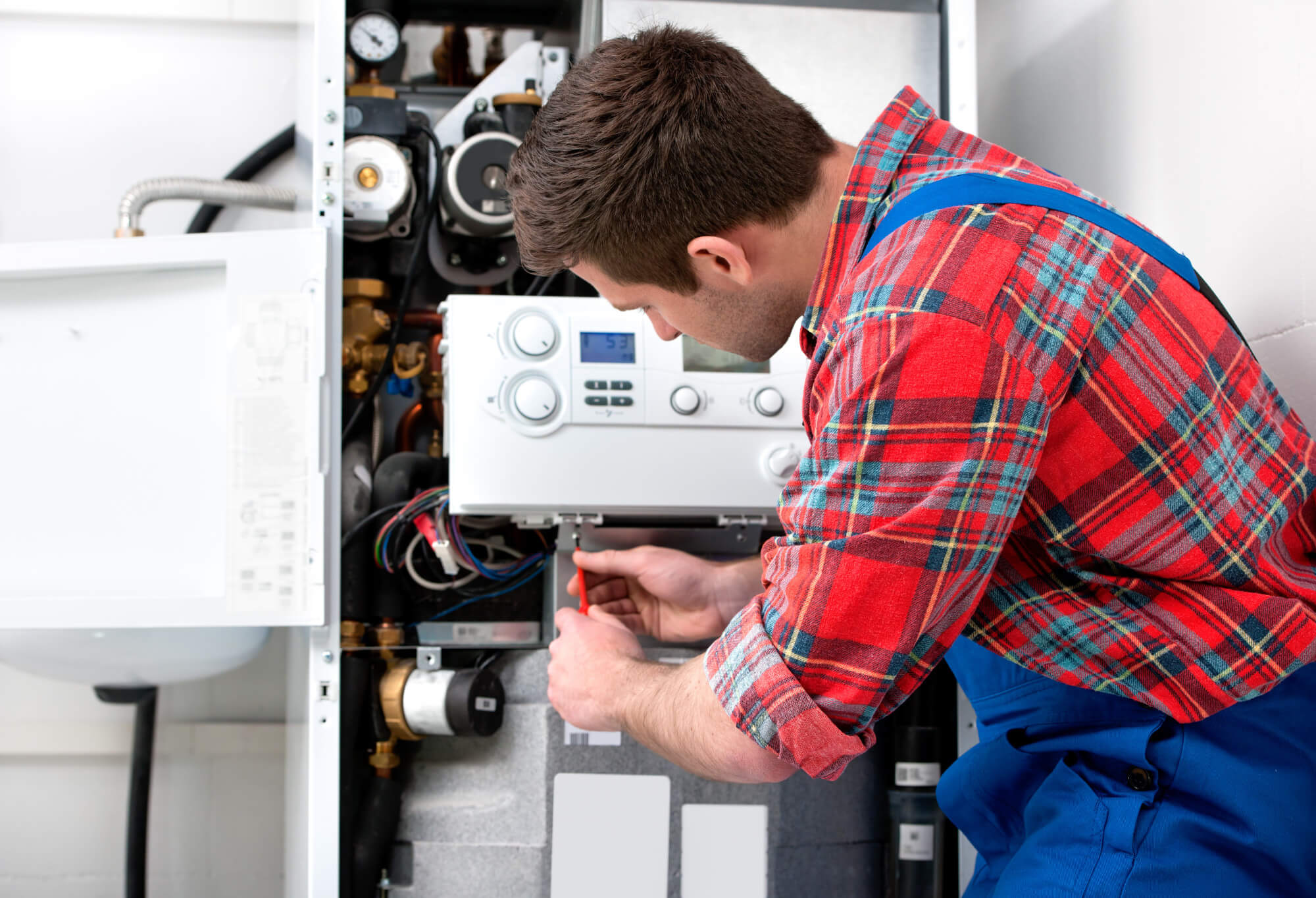
While DIY tasks handle the basics, some maintenance requires professional expertise and specialized tools. An annual professional tune-up typically includes:
Combustion Analysis
A professional technician will measure the gases in your furnace's exhaust to verify proper combustion. This is particularly important in Colorado Springs, where altitude affects the air-to-fuel ratio. Improper combustion wastes energy and can produce dangerous levels of carbon monoxide.
Heat Exchanger Inspection
The heat exchanger is the metal wall between the combustion chamber and the air that circulates through your home. Cracks in the heat exchanger can allow combustion gases, including carbon monoxide, to enter your living space. Professional inspection with specialized cameras can identify cracks that aren't visible to the naked eye.
Electrical Connection Check
Technicians will inspect and tighten electrical connections, which can loosen over time from the vibration of normal operation. Loose connections create resistance that wastes energy and generates heat that can damage components.
Blower Component Cleaning
The blower motor and fan assembly move heated air throughout your home. Accumulated dust on these components reduces efficiency and can lead to motor burnout. Professional cleaning ensures optimal airflow and extends equipment life.
Ignition System Inspection
Whether your furnace uses a pilot light, hot surface igniter, or electronic ignition, proper function is essential for reliable operation. Technicians verify ignition timing and component condition to prevent no-heat situations.
The professionals at Winterrowd HVAC perform comprehensive tune-ups that address all these areas and more, ensuring your furnace is ready for Colorado's demanding winters.
Signs You Need More Than Maintenance
During your maintenance preparations, watch for warning signs that might indicate more serious issues:
- Unusual noises – Banging, popping, or screeching sounds when the furnace starts or runs
- Yellow burner flame – The flame should be blue; yellow indicates incomplete combustion
- Frequent cycling – The furnace turns on and off repeatedly without maintaining temperature
- Increasing energy bills – Costs rising faster than rate increases suggest declining efficiency
- Uneven heating – Some rooms stay cold while others are comfortable
- Age – Furnaces over 15-20 years old may be nearing the end of their reliable service life
If you notice any of these signs, schedule a professional inspection before winter arrives. It's far better to address issues in September than to discover them during a December snowstorm.
Create a Seasonal Maintenance Schedule
Fall maintenance is crucial, but keeping your furnace in top condition requires attention throughout the heating season. Here's a simple schedule to follow:
Monthly: Check and replace your air filter as needed. During peak heating months, this might mean monthly changes.
Quarterly: Inspect vents and registers for obstructions. Walk through your home and ensure nothing has blocked airflow.
Annually (Fall): Complete the full maintenance checklist above, including professional service.
As Needed: Address any unusual sounds, smells, or performance issues immediately rather than waiting.
The Cost of Skipping Maintenance
Some homeowners question whether annual professional maintenance is worth the cost. Consider that a typical maintenance visit costs a fraction of emergency repair calls, which often happen on evenings, weekends, and holidays when you need heat most. Routine maintenance also keeps your warranty valid with many manufacturers.
More importantly, well-maintained furnaces simply last longer and run more efficiently. The Department of Energy estimates that proper maintenance can reduce heating costs by up to 30% compared to neglected systems. Over a Colorado winter, that adds up quickly.
Take care of your furnace now while the weather is still mild, and you'll have peace of mind knowing your home will stay warm and comfortable no matter what winter throws at the Pikes Peak region. For professional furnace service in Colorado Springs, schedule your appointment before the fall rush when HVAC companies get their busiest.
Need Professional Furnace Maintenance?
Winterrowd HVAC provides comprehensive furnace tune-ups for Colorado Springs homeowners. Schedule now before the cold weather rush.
Contact Winterrowd HVAC