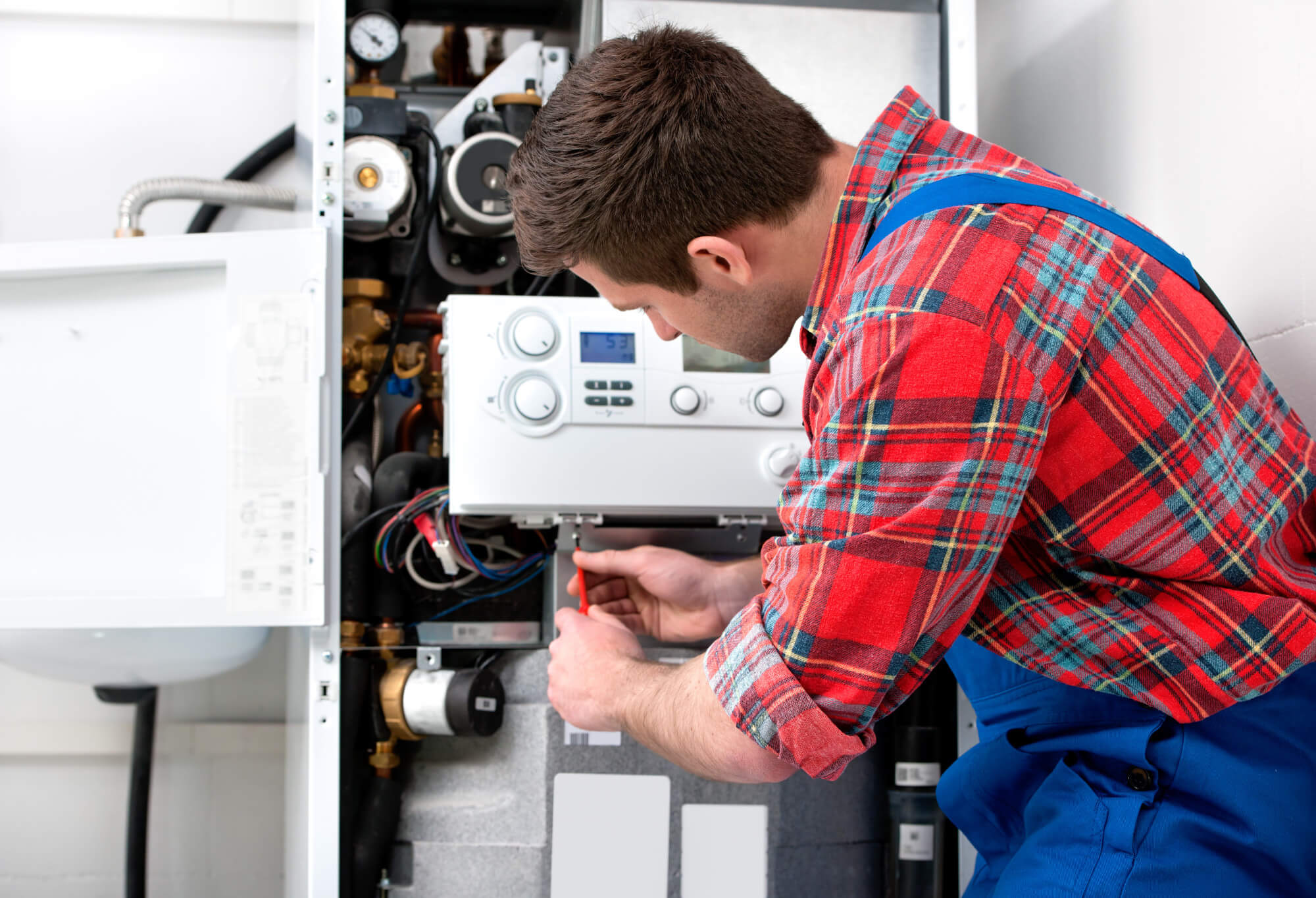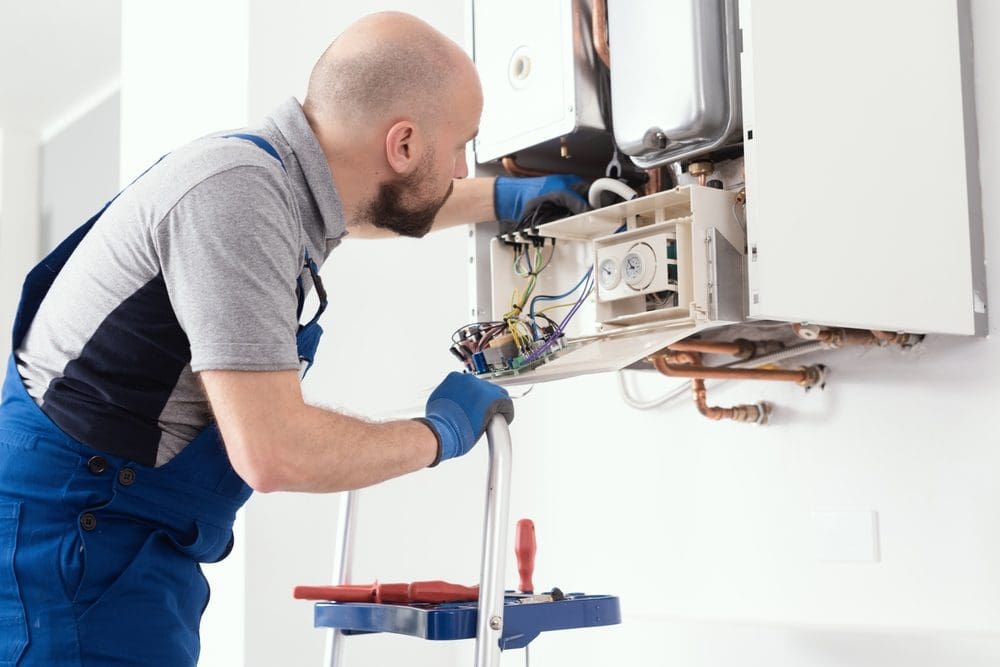
There's never a good time for a furnace to fail, but there's certainly a worst time—and in Colorado Springs, that's during a January cold snap when temperatures plunge below zero and every HVAC technician in the Pikes Peak region is booked solid with emergency calls.
The smart move is recognizing when your furnace is approaching the end of its reliable service life and planning a replacement before you're left without heat. Here are five warning signs that your furnace might not make it through another Colorado winter.
1. Your Furnace Is Approaching or Past Its Life Expectancy
Gas furnaces typically last 15-20 years with proper maintenance. If yours is in that range, it's living on borrowed time, even if it still runs. Furnaces don't usually fail suddenly with no warning—they decline gradually, becoming less efficient and more prone to breakdowns as components wear out.
Check your furnace's data plate for the manufacture date. If you can't find it, a technician can determine the age from the serial number. A furnace older than 15 years deserves serious consideration for proactive replacement, especially before facing another demanding Colorado winter.
Age matters more at altitude, too. The combustion modifications required for high-elevation operation put additional stress on components. A furnace that might last 20 years at sea level may show wear sooner in Colorado Springs.
2. Rising Energy Bills Without Explanation
Has your heating bill crept up over the past few winters even though your usage habits haven't changed? While rate increases account for some variation, consistently higher costs often indicate declining furnace efficiency.
As furnaces age, heat exchangers develop deposits, blower motors lose efficiency, and combustion becomes less optimal. The result is more fuel burned for less heat delivered. A furnace that was 80% efficient when new might be operating at 65-70% after 15 years of service.
Compare your bills year-over-year, accounting for weather differences. If you're paying significantly more to heat the same space to the same temperature, your furnace is likely working harder than it should. Newer high-efficiency models can cut fuel consumption by 30-40% compared to an aging standard-efficiency unit.
3. Frequent Repairs and Part Replacements
Every furnace needs occasional repairs, but there's a point where ongoing repairs become a losing investment. If you've had your technician out multiple times over the past two heating seasons, your furnace is telling you something.
The general rule: if a repair costs more than half the price of a new furnace, replacement makes more financial sense. But also consider the cumulative cost of multiple smaller repairs. If you've spent $1,500 on repairs over two years on a furnace that's 15+ years old, that money would have been better applied toward a new system with a warranty and many years of reliable service ahead.
Pay attention to what's failing, too. Igniter and flame sensor replacements are relatively minor. But if you're replacing heat exchangers, blower motors, or control boards, those are expensive, labor-intensive repairs on components that shouldn't fail early in a furnace's life.
4. Uneven Heating, Strange Noises, or Unusual Smells
Does your furnace create hot and cold spots throughout your home that didn't exist before? Do you hear banging, rattling, or squealing sounds when it runs? Have you noticed strange smells—musty, dusty, or like something burning—when the heat kicks on?
These symptoms indicate various developing problems:
- Uneven heating often results from a failing blower motor that can't maintain proper airflow, or ductwork that's developed leaks over time.
- Banging or popping when the furnace starts can indicate delayed ignition—gas building up before finally igniting. This is both an efficiency and safety concern.
- Squealing or grinding typically points to bearing failure in the blower motor.
- Burning smells might indicate dust burning off (normal at season start) or electrical problems (not normal at any time).
- Musty smells suggest moisture problems in the system, possibly from a cracked heat exchanger.
None of these symptoms necessarily means immediate replacement, but they all warrant professional inspection. A qualified technician can determine whether repairs make sense or if the symptoms indicate systemic decline.
5. Yellow or Flickering Burner Flame
This is the most serious warning sign on the list. A properly functioning gas furnace should produce a steady blue flame. If the flame is yellow, orange, or flickers erratically, combustion isn't occurring correctly.
Improper combustion can produce elevated levels of carbon monoxide—a colorless, odorless gas that poses serious health risks. At high altitude, where furnaces already face combustion challenges, any sign of improper burning deserves immediate attention.
If you observe a yellow flame, have the furnace inspected promptly. The cause might be as simple as a dirty burner or improper gas pressure. But in older furnaces, it can indicate a cracked heat exchanger, which is a safety hazard that typically makes repair uneconomical.
The Repair vs. Replace Decision
When deciding whether to repair or replace, consider these factors:
Age: If your furnace is past 15 years, investing in major repairs is usually unwise. Minor repairs might buy you one more season, but start planning for replacement.
Efficiency: Older furnaces often have efficiency ratings of 80% or below. Modern high-efficiency units achieve 95-98% efficiency, potentially reducing fuel costs by 20-30%.
Comfort: Newer variable-speed and modulating furnaces provide more consistent temperatures and better humidity control than older single-stage units.
Timing: Scheduling a replacement in fall—before you desperately need heat—gives you time to research options, get multiple quotes, and choose your preferred equipment. Emergency replacements in mid-winter often mean taking whatever's available at whatever price.
Don't Wait for Failure
The best time to replace a furnace is before it fails completely. Proactive replacement lets you choose the optimal equipment for your home, schedule installation at your convenience, and avoid the discomfort and potential damage of a mid-winter breakdown.
If your furnace shows any of these warning signs, have it professionally evaluated. Winterrowd HVAC can assess your current system's condition and help you understand whether repair or replacement makes more sense for your situation.
Colorado winters demand reliable heating. Knowing when your furnace is approaching the end of its useful life helps you make informed decisions before you're forced into an emergency situation.
Concerned About Your Furnace?
Winterrowd HVAC can evaluate your furnace and provide honest recommendations about repair versus replacement.
Schedule an Evaluation