If you've lived in Colorado Springs for any time, you know the signs: chapped lips, dry skin, static electricity that shocks you every time you touch a doorknob. These annoyances hint at a larger issue—our semi-arid climate creates indoor air quality challenges that affect comfort, health, and even your home itself.
Understanding these challenges and how to address them helps you create a healthier, more comfortable indoor environment year-round.
The Dry Climate Challenge
Colorado Springs averages only about 16 inches of precipitation annually, making our climate officially semi-arid. Relative humidity often drops below 20% during winter months—far below the 30-50% range considered optimal for human comfort and health.
This dryness intensifies when we heat our homes. Winter air naturally holds less moisture than summer air. When we bring that cold, dry outdoor air inside and heat it, relative humidity drops even further. It's not unusual for indoor humidity levels in Colorado homes to fall into single digits during heating season without intervention.
Health Impacts of Dry Air
Dry air affects your body in multiple ways:
- Respiratory irritation: Dry nasal passages can't filter airborne particles as effectively, potentially increasing susceptibility to respiratory infections. Dry throat and sinuses make you more vulnerable to colds and flu.
- Skin issues: Low humidity accelerates moisture loss from skin, leading to dryness, cracking, and irritation. Those with eczema or psoriasis often see symptoms worsen in dry conditions.
- Eye discomfort: Dry air evaporates the tear film protecting your eyes, leading to irritation especially for contact lens wearers.
- Increased static: Beyond being annoying, static discharge can damage electronics and indicates humidity levels low enough to cause other problems.
Impact on Your Home
Dry air doesn't just affect your body—it affects your home's structure and contents:
- Wood damage: Wood floors, furniture, and trim shrink when moisture content drops. Gaps appear between floorboards, joints loosen, and in severe cases, cracking occurs.
- Paint and wallpaper: Extreme dryness can cause paint to crack and wallpaper to peel at edges and seams.
- Musical instruments: Guitars, pianos, and other wood instruments suffer in dry conditions—a particular concern in music-rich Colorado Springs.
Solutions for Better Indoor Air Quality
Whole-House Humidification
The most effective solution for Colorado's dry climate is a whole-house humidifier integrated with your HVAC system. These units add moisture to the air as it's heated, maintaining consistent humidity levels throughout your home.
Several types exist:
Bypass humidifiers use your furnace's heat to evaporate water from a pad. They're affordable and effective but require regular pad replacement.
Fan-powered humidifiers include their own fan for more efficient moisture distribution. They produce more humidity than bypass models and work even when the furnace isn't running.
Steam humidifiers boil water to create pure steam, offering precise humidity control and the highest moisture output. They're more expensive but ideal for larger homes or very dry conditions.
A qualified HVAC professional can assess your home and recommend the appropriate humidification system for your needs.
Air Filtration
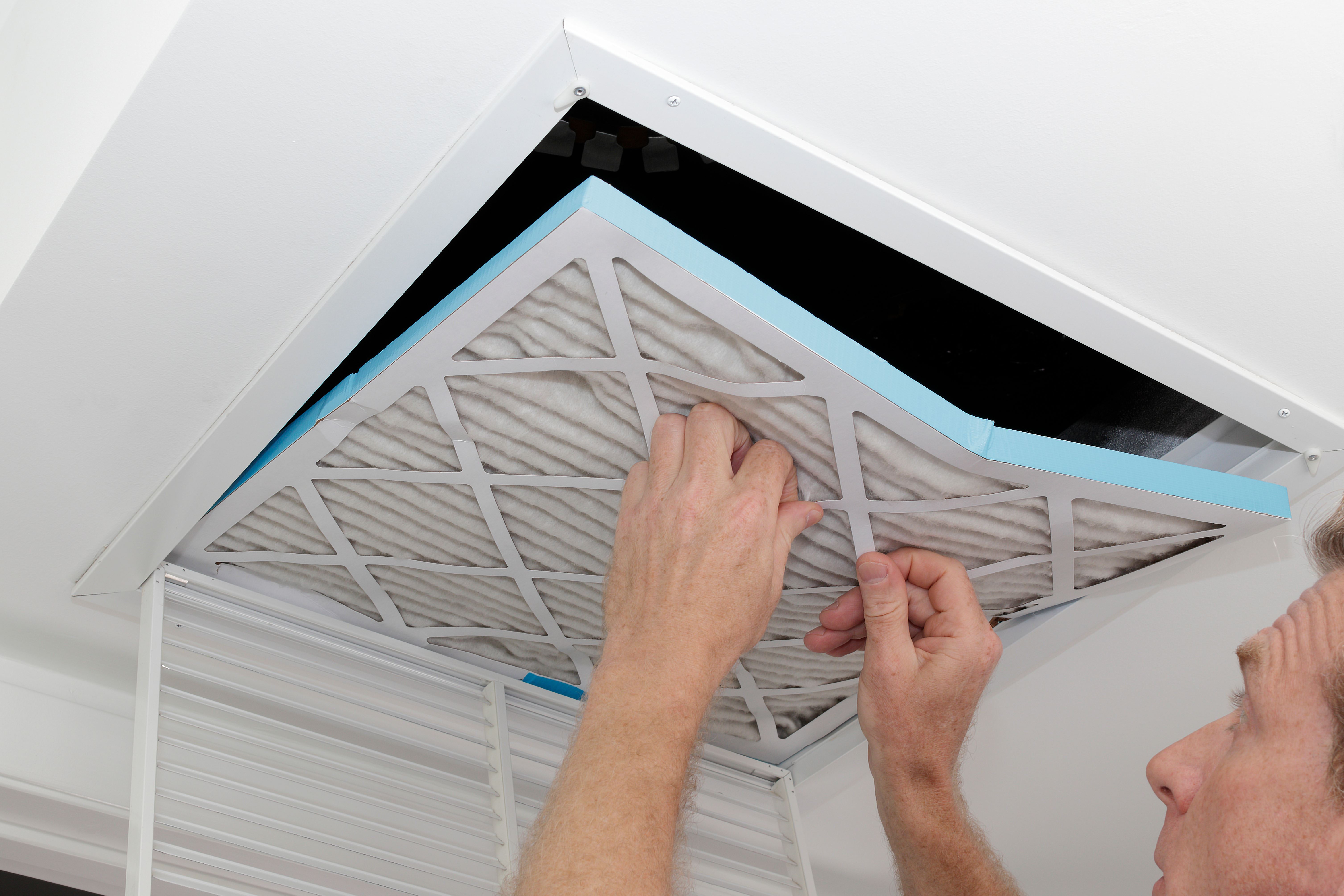
Colorado's dry air holds dust and particulates longer than humid air, where moisture helps settle particles. Upgrading your HVAC filter can significantly improve indoor air quality.
Standard 1-inch fiberglass filters catch only large particles. Consider upgrading to:
- Pleated filters with MERV ratings of 8-12 capture smaller particles including dust, pollen, and pet dander
- HEPA-style filters or media filters for maximum filtration
- Electronic air cleaners for whole-house air purification
Higher-efficiency filters create more airflow resistance. Ensure your HVAC system can handle upgraded filters without strain—your technician can advise on the maximum MERV rating appropriate for your system.
Ventilation
Modern homes are built tight for energy efficiency, but this can trap indoor pollutants. Proper ventilation introduces fresh outdoor air while exhausting stale indoor air.
Energy recovery ventilators (ERVs) and heat recovery ventilators (HRVs) provide ventilation without losing heating or cooling energy. They're particularly valuable in Colorado's climate, providing fresh air while managing energy costs.
Duct Cleaning
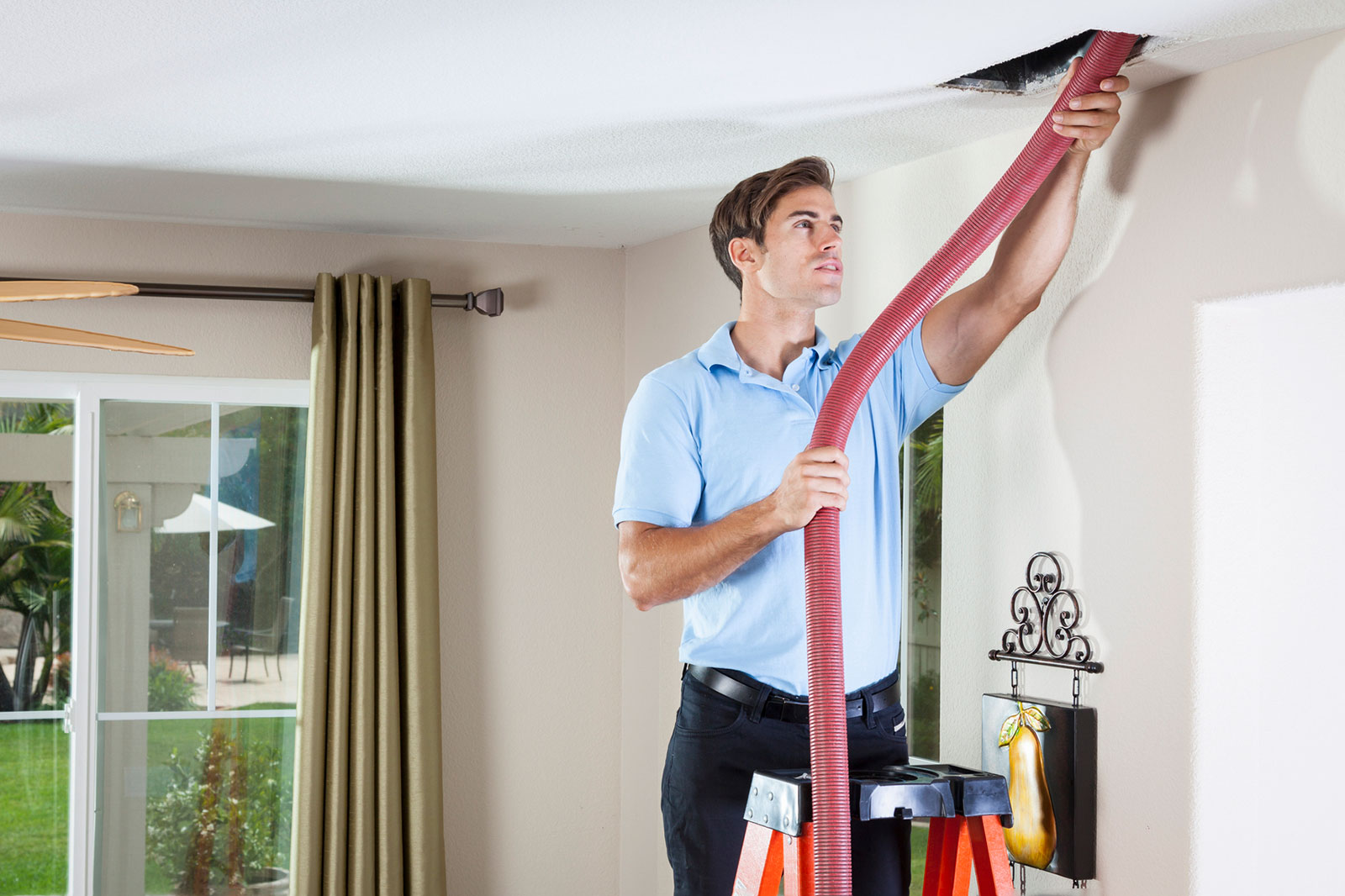
Your ductwork collects dust, debris, and potentially mold or bacteria over time. Professional duct cleaning removes these contaminants, improving air quality and potentially helping allergy and asthma sufferers breathe easier.
Not every home needs frequent duct cleaning, but it's worth considering if you notice excessive dust, musty smells from vents, or if it's been many years since ducts were cleaned or inspected.
DIY Air Quality Improvements
While professional solutions offer the most comprehensive improvement, several steps improve indoor air quality immediately:
Change filters regularly. Check monthly during heating season and replace when dirty. A clogged filter restricts airflow and fails to catch particles effectively.
Control dust sources. Use doormats, remove shoes indoors, and vacuum regularly with a HEPA-filter vacuum. Reducing dust at its source reduces what your HVAC system must filter.
Manage humidity room by room. While whole-house humidifiers are ideal, portable humidifiers help in frequently occupied rooms. Monitor humidity with an inexpensive hygrometer and aim for 30-50%.
Maintain houseplants. Plants add some humidity through transpiration and can improve air quality—though their effect is modest compared to mechanical solutions.
Avoid adding pollutants. Minimize use of aerosol sprays, scented candles, and harsh cleaning chemicals that add volatile organic compounds to indoor air.
The Comfort Connection
Improved indoor air quality does more than protect health—it enhances comfort. Properly humidified air feels warmer at the same temperature, potentially allowing you to lower your thermostat while feeling equally comfortable. Some homeowners report reducing their heating setpoint by 2-3 degrees after adding humidification, saving on energy costs while enjoying better comfort.
If you're experiencing the telltale signs of dry indoor air—frequent static shocks, dry skin, or respiratory discomfort—addressing indoor air quality can make your Colorado Springs home significantly more comfortable through the dry months ahead.
Improve Your Home's Air Quality
Winterrowd HVAC offers whole-house humidification, air filtration, and ventilation solutions for Colorado Springs homes.
Contact Winterrowd HVAC