Winter heating costs in Colorado Springs can be substantial. Our cold nights, dramatic temperature swings, and high altitude all contribute to heating demands that challenge any budget. But before temperatures drop, you have an opportunity to reduce those costs significantly through targeted efficiency improvements.
The best time to address energy efficiency is before you need to crank up the heat—while weather is still mild enough for comfortable work and contractors have availability. Here's where to focus your efforts for maximum impact.
Start With Your Heating System
Schedule Professional Maintenance
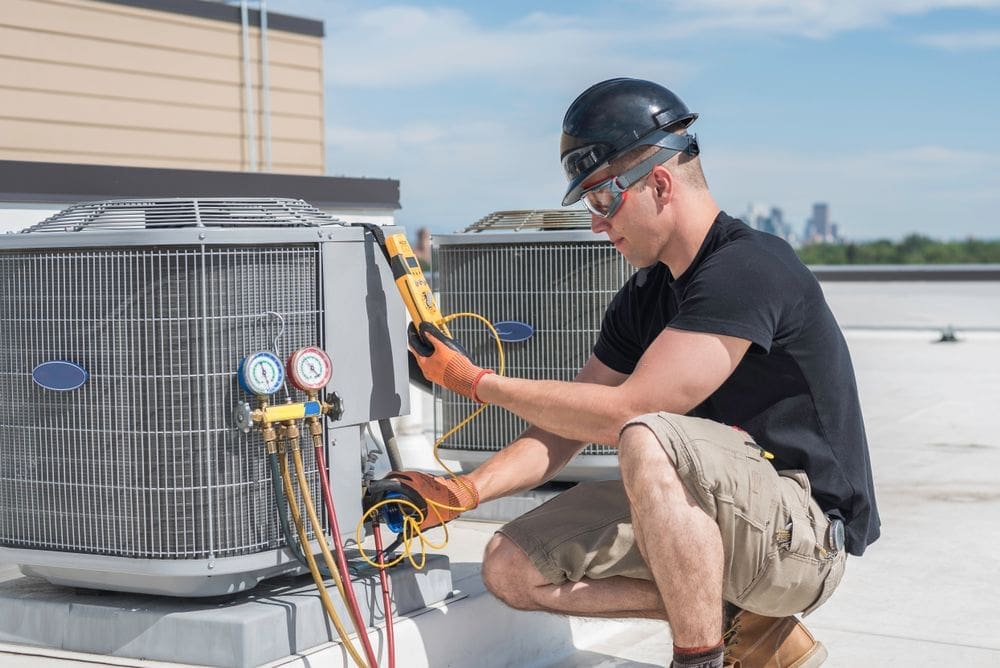
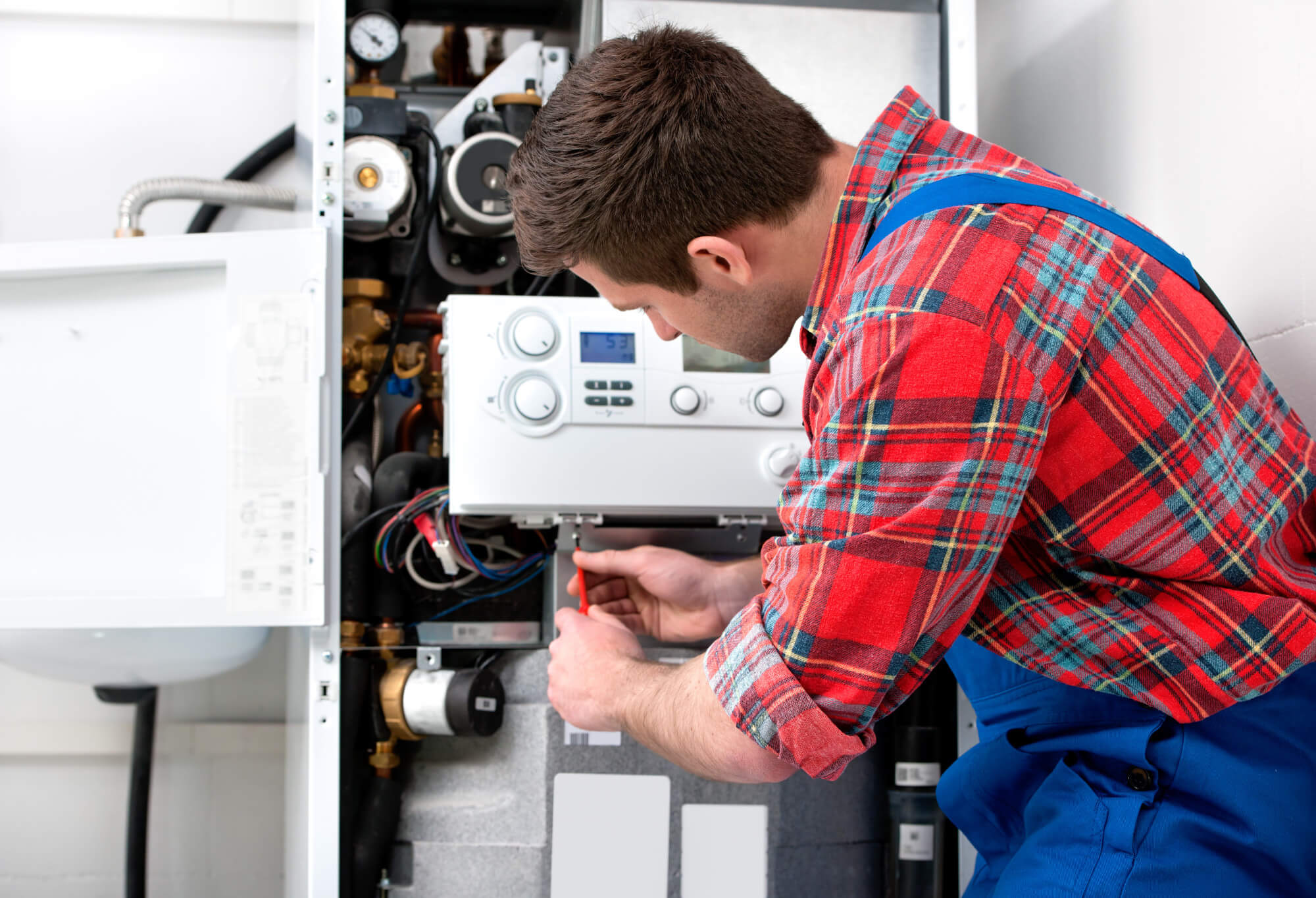
A well-maintained furnace operates more efficiently than a neglected one. Professional tune-ups include cleaning components, checking combustion efficiency, verifying proper airflow, and identifying developing problems before they waste energy or cause failures.
The Department of Energy estimates that regular maintenance can reduce heating costs by up to 15% compared to a system that never receives professional attention. At Winterrowd HVAC, technicians understand the specific needs of high-altitude furnaces and can ensure your system is optimized for Colorado Springs conditions.
Replace Your Air Filter
A clogged air filter is one of the most common causes of inefficient furnace operation. Restricted airflow forces the system to work harder, consuming more energy while delivering less heat. Start the heating season with a fresh filter and plan to check it monthly.
Consider upgrading to a higher-quality pleated filter if you're currently using basic fiberglass. Better filtration not only improves air quality but can also protect your furnace from dust accumulation that reduces efficiency over time.
Consider a Programmable Thermostat
If you're still using a manual thermostat, upgrading to a programmable or smart model offers immediate energy savings. Setting back temperatures by 7-10 degrees during sleeping hours and when you're away can reduce heating costs by up to 10% annually.
Smart thermostats learn your patterns and can make automatic adjustments. Some integrate with weather forecasts to optimize heating based on incoming weather conditions—particularly valuable in Colorado's variable climate.
Seal Air Leaks
Air infiltration accounts for a significant portion of heating energy loss in most homes. Cold air seeping in through gaps and cracks forces your furnace to work overtime. Before winter, conduct a systematic inspection:
Windows and Doors
Feel for drafts around window and door frames on a windy day. Replace worn weatherstripping and consider caulking gaps between frames and walls. For windows you won't open during winter, temporary sealing with rope caulk or shrink film provides additional insulation.
Inspect door sweeps at the bottom of exterior doors. Even a small gap lets significant cold air flow in. Replacement sweeps are inexpensive and easy to install.
Electrical Outlets and Switches
Outlets and switches on exterior walls often lack proper air sealing. Foam gaskets available at hardware stores install behind cover plates to block air movement. While each outlet represents a small leak, they add up across your home.
Penetrations and Gaps
Check where pipes, wires, and ducts penetrate walls, floors, and ceilings. These penetrations often have gaps that allow air movement. Expanding foam or caulk seals most openings effectively.
Pay particular attention to the attic floor—warm air rising through gaps around pipes, wires, and light fixtures represents significant energy loss. The attic is often the most productive place to focus air sealing efforts.
Add Insulation Where Needed
Many Colorado Springs homes, especially older ones, have inadequate insulation by current standards. While comprehensive insulation upgrades can be significant projects, targeted additions offer high returns:
Attic Insulation
Heat rises, making attic insulation one of the most effective energy efficiency investments. Current recommendations call for R-49 to R-60 in attics—many older homes have R-19 or less. Adding insulation is relatively straightforward and often qualifies for utility rebates.
Duct Insulation
If your ductwork runs through unconditioned spaces like attics, crawl spaces, or garages, insulating those ducts prevents heat loss before conditioned air reaches living spaces. Uninsulated ducts in cold spaces can lose 10-30% of heating energy.
Pipe Insulation
Insulating hot water pipes reduces heat loss and allows you to lower your water heater temperature. It also prevents pipes from freezing in vulnerable areas—a dual benefit in Colorado winters.
Optimize Solar Gain
Colorado's abundant sunshine is a free heating resource. Managing it strategically reduces your heating load:
South-Facing Windows
During winter days, keep curtains and blinds open on south-facing windows to allow solar heat to enter. The sun tracks low in the southern sky during winter, making south-facing windows particularly effective for passive solar heating.
Close Coverings at Night
Once the sun sets, close drapes and blinds to add an insulating layer at windows. Heavy, lined curtains provide more insulation than thin blinds. Cellular shades offer particularly good insulating value.
Manage Problem Windows
Large north-facing or poorly insulated windows lose more heat than they gain in winter. Consider temporary insulation solutions for these windows or prioritize them for eventual replacement with high-efficiency units.
Address Ductwork Issues
Leaky ductwork wastes energy by losing conditioned air to unconditioned spaces. The average home loses 20-30% of heated air through duct leaks and poor connections. Signs of duct problems include:
- Rooms that are consistently harder to heat
- High energy bills relative to similar homes
- Dusty conditions when the furnace runs
- Visible gaps or disconnections in accessible ductwork
Professional duct sealing can dramatically improve system efficiency. While basic duct tape deteriorates quickly, professional sealing uses mastic or specialized tape that lasts for the life of the system.
Calculate Your Return on Investment
Energy efficiency improvements vary in cost and payback period. Consider prioritizing based on impact:
Low cost, high impact: Air sealing, filter replacement, thermostat programming
Moderate cost, good payback: Programmable thermostat upgrade, weatherstripping replacement, attic insulation addition
Higher cost, long-term benefit: Furnace upgrade, window replacement, comprehensive duct sealing
Many Colorado utilities offer rebates for efficiency improvements, and some efficiency measures qualify for federal tax credits. Check available incentives before beginning projects.
Start Now
Every efficiency improvement you make before winter starts saving money with the first cold night. While you can't eliminate heating costs entirely in Colorado Springs, thoughtful preparation can reduce them substantially while improving comfort.
If your furnace hasn't been serviced recently, or if you're concerned about its efficiency, schedule a professional evaluation before the heating season rush. The investment in maintenance and efficiency improvements pays dividends all winter long.
Ready to Improve Your Home's Efficiency?
Winterrowd HVAC can evaluate your heating system and recommend efficiency improvements tailored to your Colorado Springs home.
Schedule a Consultation