Winter energy bills in Colorado Springs can shock even longtime residents. Between November and March, heating a home at 6,035 feet elevation while temperatures drop below 10°F requires significant energy. The average Colorado Springs household spends $150-300 monthly on winter heating—but it doesn't have to be that way.
Through a combination of smart maintenance, strategic upgrades, and behavioral changes, homeowners consistently reduce winter energy costs by 25-30% without sacrificing comfort. These aren't theoretical savings—they're proven strategies that work specifically in our climate, at our altitude, with our unique weather patterns that can swing 40 degrees in a single day.
Understanding Colorado Springs Winter Energy Challenges
Before diving into solutions, understanding what drives high winter energy costs in Colorado Springs helps target the most effective strategies. Our location creates unique challenges that don't exist in most other climates.
At 6,035 feet elevation, furnaces work harder to achieve complete combustion due to reduced oxygen availability. This means your heating system must run longer or more frequently to deliver the same heat output it would provide at sea level. Additionally, the low humidity that makes Colorado winters feel crisp also allows heat to escape more readily through walls, windows, and roofs.
Colorado Springs' position east of Pikes Peak creates dramatic temperature swings. Morning temperatures might start at 8°F, rise to 45°F by afternoon as sunshine heats south-facing slopes, then plummet back to 15°F after sunset. Your HVAC system cycles constantly trying to maintain steady indoor temperatures despite these wild outdoor fluctuations—each cycle consuming energy.
Wind is another factor. Colorado's Front Range experiences Chinook winds and regular westerly flows that create air infiltration through even small gaps in building envelopes. At 20 mph wind speed, air infiltration increases substantially, forcing furnaces to compensate for continuous heat loss.
High-Impact Insulation Strategies
Proper insulation delivers the highest return on investment for energy savings in Colorado Springs. Heat naturally flows from warm to cold areas—in winter, from inside your home to the freezing outdoors. Insulation slows this transfer, keeping heat where you want it.
Attic Insulation: The Priority Investment
Heat rises, making your attic the primary escape route for warmth. In Colorado Springs, attics should have R-49 to R-60 insulation value—roughly 14-20 inches of fiberglass batts or 12-16 inches of blown cellulose. Many older homes have only R-19 to R-30, losing massive amounts of heat through the roof.
Adding attic insulation provides immediate, measurable results. Homeowners report 15-25% reductions in heating costs after upgrading from R-30 to R-50. For a typical 1,800 square foot home, professional attic insulation costs $1,500-2,500 but pays for itself in 3-5 years through energy savings.
DIY attic insulation is possible for handy homeowners, though working in cramped, dusty attic spaces during winter isn't pleasant. Blown insulation rental equipment is available at home improvement stores, and materials cost roughly half of professional installation.
Basement and Crawl Space Insulation
Cold air is dense and settles, making basements and crawl spaces significant heat loss areas. Insulating basement walls and band joists prevents cold from radiating upward into main living spaces.
Rigid foam insulation boards on basement walls provide excellent thermal barriers. For finished basements, spray foam in band joists—the area where floor joists meet foundation walls—seals gaps while insulating. This often-overlooked area accounts for significant heat loss in Colorado homes.
Crawl space insulation depends on whether the space is vented or conditioned. Vented crawl spaces require insulation between floor joists. Conditioned crawl spaces (increasingly common in new construction) insulate foundation walls instead, treating the crawl space as semi-conditioned space.
Wall Insulation Assessment
Wall insulation is harder to upgrade in existing homes, but worth evaluating. Homes built before 1980 often have minimal wall insulation. A thermal imaging inspection—many Colorado Springs utilities offer these free or discounted—reveals insulation gaps.
If walls lack insulation, blown-in insulation can be added through small holes drilled from outside, then patched and painted. This costs more than attic insulation but provides excellent returns in older homes with uninsulated walls.
Air Sealing: The Hidden Energy Saver
Air leaks waste enormous energy—arguably more than inadequate insulation. Small gaps around windows, doors, electrical outlets, plumbing penetrations, and attic hatches allow cold air infiltration and warm air escape. These leaks are particularly problematic in Colorado's windy conditions.
Strategic Caulking and Weatherstripping
Start with obvious gaps. Windows and exterior doors are primary culprits. Quality weatherstripping around doors prevents drafts and should be replaced when compressed or damaged. Door sweeps seal gaps at bottom thresholds.
Caulk around window frames where they meet siding. Many Colorado Springs homes have older aluminum or vinyl windows with gaps that have expanded over years of temperature cycling and UV exposure. Silicone caulk remains flexible through temperature extremes and lasts 10-20 years.
Electrical outlets and switches on exterior walls leak surprising amounts of air. Foam gaskets installed behind cover plates cost pennies and take seconds to install but collectively make noticeable differences.
Attic Access Sealing
Attic access points—pull-down stairs or hatch openings—are massive air leak sources. The opening itself breaks insulation continuity, and the hatch or stairs rarely seal well. Insulated attic stair covers or weatherstripped hatches with rigid foam insulation attached to the backside prevent heat from escaping into unconditioned attic space.
Basement Rim Joist Sealing
Rim joists are consistent air leak locations. These areas where floor framing meets foundation walls often have gaps that allow cold air intrusion. Spray foam specifically designed for this application seals gaps while insulating. This single improvement often delivers noticeable comfort increases in rooms above basements.
Smart Thermostat Programming for Colorado Weather
Thermostat management significantly impacts energy costs. The traditional advice—set thermostats back when sleeping or away—works but requires optimization for Colorado's temperature swings.
Avoid Deep Setbacks During Extreme Cold
When outdoor temperatures drop below 10°F, avoid deep nighttime setbacks. Lowering your thermostat from 70°F to 60°F overnight saves energy in moderate weather, but during severe cold, the recovery period—heating from 60°F back to 70°F—can consume more energy than maintaining a steady 67-68°F.
This seems counterintuitive but reflects thermal mass and system efficiency curves. Furnaces run most efficiently during moderate cycles, not extended recovery periods trying to overcome large temperature deficits in extreme cold.
Take Advantage of Solar Gain
Colorado Springs receives 300 days of sunshine annually—free heat. South-facing windows gain substantial solar heat during winter days. Program thermostats to reduce heat output during peak sunshine hours (11am-3pm) when passive solar provides much of your heating needs.
This strategy works particularly well in ranch-style homes with south-facing windows. You might lower thermostat settings to 65°F from noon to 3pm, letting sunshine maintain comfort while reducing furnace runtime.
Zone Heating Where Possible
If your home has multiple heating zones or you're considering upgrades, zoned heating prevents wasting energy on unused spaces. Many Colorado Springs homes have finished basements that remain comfortable at 65°F while main floors stay at 70°F—a simple zoning strategy that reduces energy consumption 10-15%.
For homes without built-in zoning, closing vents in rarely-used rooms provides basic zoning. Close bedroom vents during daytime, living area vents at night. This isn't as effective as true zoned systems but offers modest savings.
Furnace Maintenance and Efficiency
Your furnace is the single largest energy consumer during Colorado winters. Keeping it running efficiently directly impacts utility bills.
Monthly Filter Changes
This simple task delivers outsized benefits. Dirty filters restrict airflow, forcing blowers to work harder while reducing heat transfer efficiency. In Colorado's dusty environment, filters accumulate debris quickly—monthly replacement during heating season is essential.
High-quality pleated filters (MERV 8-11) balance filtration and airflow. Higher-rated filters (MERV 13+) improve air quality but restrict airflow more, potentially reducing efficiency unless your system is designed for them. Check manufacturer specifications.
Annual Professional Maintenance
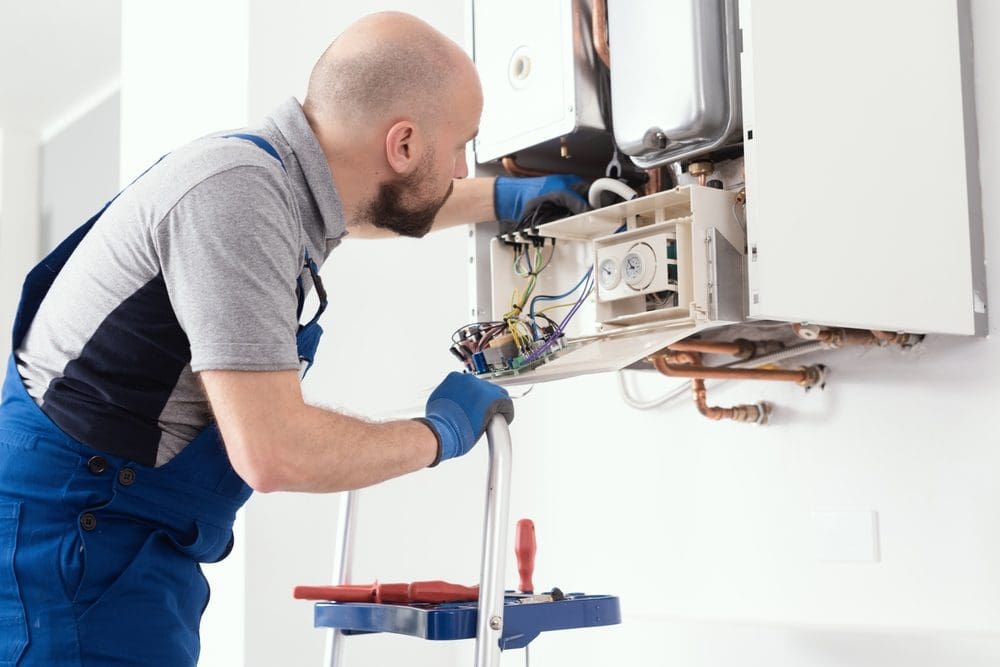
Professional furnace maintenance ensures efficient operation. Technicians clean burners, test combustion efficiency, calibrate controls, and identify developing problems. Clean burners with proper combustion produce more heat per gas unit consumed—directly reducing costs.
At Colorado Springs' altitude, combustion efficiency is particularly critical. Professional maintenance calibrated for 6,035 feet ensures your system achieves complete combustion, maximizing heat output while minimizing gas consumption.
Annual maintenance typically costs $100-150 but prevents 15-20% efficiency losses from dirty components and misadjusted systems. The service pays for itself in a single season.
Blower Fan Speed Optimization
Furnace blower fans have multiple speed settings. Slower speeds move less air but run quieter and use less electricity. Faster speeds distribute heat more quickly but consume more power. For most Colorado Springs homes, medium-low fan speeds provide the best balance of comfort and efficiency.
HVAC professionals can adjust fan speeds during maintenance visits. If your home has hot and cold spots or the furnace seems to run constantly without achieving comfort, fan speed adjustment might help.
Window Treatments and Heat Retention
Windows are thermal weak points—even modern double-pane windows have R-values around R-3, far below wall insulation values of R-13 to R-19. Strategic window treatments reduce heat loss significantly.
Cellular Shades for Insulation
Cellular (honeycomb) shades trap air in pocket structures, adding insulation value. Quality cellular shades add R-2 to R-5 insulation to windows. Closing them at night prevents substantial heat loss through glass.
For maximum benefit, choose cellular shades that seal at sides and bottom. Unsealed shades allow convective air flow that reduces insulation benefits. Blackout cellular shades provide both light control and maximum insulation.
Heavy Curtains and Thermal Drapes
Thick curtains or thermal drapes work similarly to cellular shades, creating dead air space between fabric and glass. Layer sheers for daytime light with heavy drapes closed at night for effective, attractive solutions.
South-facing windows should open curtains during sunny winter days to gain solar heat, then close at night to retain it. North-facing windows can remain covered continuously during deep winter since they receive no direct sun.
Window Film and Temporary Solutions
For budget-conscious approaches, plastic window insulation kits create sealed air spaces over windows. Installed in fall and removed in spring, these kits reduce heat loss 25-30% through single-pane windows. They're less attractive than permanent treatments but cost under $5 per window.
Leveraging Colorado's Abundant Sunshine
Colorado Springs' 300 annual sunny days provide free heating potential that coastal climates can't match. Strategic use of passive solar gain reduces reliance on furnaces.
Maximize South-Facing Exposure
South-facing windows receive maximum winter sun as the sun tracks its low southern arc across the sky. Keep these windows clean and unobstructed during winter. Trim shrubs or trees that block low-angle winter sun.
Thermal mass inside south-facing windows stores solar heat. Tile or stone floors, brick walls, or even water-filled containers absorb daytime sun then radiate heat into the evening, extending the benefit of solar gain.
Close East and West Curtains
While south windows gain heat, east and west windows lose heat. Morning sun through east windows provides minimal heating benefit, and west windows receive low-angle afternoon sun that's already starting to wane. Keeping curtains closed on east and west exposures during winter reduces heat loss without sacrificing significant solar gain.
Humidity Management for Comfort and Efficiency
Colorado's extremely dry winter air feels colder than the actual temperature. Air at 70°F and 15% humidity feels like 65°F. By maintaining 35-45% relative humidity, you can lower thermostat settings while maintaining comfort—directly reducing energy consumption.
Whole-house humidifiers add moisture to heated air as it circulates. This allows comfortable indoor temperatures 2-3 degrees lower than you'd need with dry air. Over a six-month heating season, that 2-3 degree reduction saves 6-9% on heating costs.
Proper humidity also protects wood floors, furniture, and musical instruments from damage caused by excessive dryness. The investment in humidification pays dividends in both energy savings and home preservation.
Behavioral Changes That Add Up
Beyond equipment and insulation, daily habits influence energy consumption:
Dress for the season indoors: Wearing sweaters and warm clothing allows comfortable living at 67-68°F rather than 72°F. Each degree of setback saves approximately 3% on heating costs.
Use ceiling fans strategically: In winter, run ceiling fans on low speed in reverse (clockwise) to push warm air that collects at ceilings back down to living spaces. This improves comfort in rooms with high ceilings without increasing thermostat settings.
Close doors to unused rooms: Don't heat the spare bedroom, exercise room, or other rarely-used spaces to the same temperature as main living areas. Close doors and vents to reduce the volume of space requiring heat.
Limit bathroom exhaust fan use: Bathroom fans expel heated indoor air. Use them only as long as necessary to remove moisture, then shut them off rather than running continuously.
Avoid space heaters: Electric resistance heating is the most expensive heating method, costing 2-3 times more per BTU than natural gas furnaces. Space heaters seem economical but drive up electric bills substantially.
Long-Term Investments Worth Considering
Some energy-saving measures require larger investments but deliver exceptional long-term returns:
Window Replacement
Replacing single-pane windows with quality double- or triple-pane units reduces heat loss 50-70%. Modern windows with low-E coatings and argon gas fills provide R-values around R-3.5 to R-5 compared to R-1 for single-pane glass.
Window replacement costs $400-800 per window installed, but tax credits and utility rebates can offset 10-30% of costs. For homes with original 1970s or 1980s windows, replacement typically pays for itself in 10-15 years.
High-Efficiency Furnace Upgrades
Furnaces older than 15-20 years typically operate at 65-80% efficiency. Modern high-efficiency furnaces achieve 95-98% efficiency, reducing gas consumption 20-30% for the same heat output.
High-efficiency furnace replacement costs $4,000-7,000 installed, but combines energy savings with improved reliability and comfort. Combined with proper maintenance, these systems reliably serve 20+ years.
Solar Panel Considerations
While solar panels primarily offset electric costs rather than gas heating costs, Colorado Springs' abundant sunshine makes solar attractive. For homes with electric heat pumps or hybrid systems, solar panels can dramatically reduce winter energy bills while providing summer air conditioning power.
Tracking Your Savings
Implementing these strategies works best with measurement. Compare monthly utility bills year-over-year, accounting for temperature differences. Colorado Springs utility companies provide online tools showing daily energy usage, helping identify which changes deliver the best results.
Expect to see cumulative effects. Adding attic insulation might reduce bills 15%, air sealing another 8%, thermostat optimization 5%, and regular maintenance 10%. Together, these achieve the 30%+ savings that make Colorado Springs winters more affordable.
Optimize Your System for Maximum Efficiency
Winterrowd HVAC specializes in furnace efficiency optimization and maintenance calibrated for Colorado Springs' altitude. Professional service ensures your heating system operates at peak efficiency all winter.
Schedule Efficiency Tune-Up