Fall in Colorado Springs brings some of the most challenging weather to manage for your HVAC system and your comfort. A morning might start at 35°F, warm to 70°F by afternoon, then plunge back toward freezing after sunset. These wild swings make finding the right thermostat setting feel like a constant battle.
The good news? With the right strategy, you can stay comfortable without wasting energy or making yourself crazy adjusting the thermostat every few hours.
The General Guidelines
The Department of Energy recommends 68°F when you're home and awake, with lower temperatures while sleeping or away. This provides a solid starting point, but Colorado's climate—and individual comfort preferences—often require adjustments.
At altitude, with our dry air, many people find that temperatures feel different than in humid climates. That 68°F setting might feel cooler than it would at sea level because dry air doesn't hold heat against your skin as effectively. You might find you're more comfortable at 69-70°F during our dry fall months.
Daytime Settings When You're Home
For most Colorado Springs households, somewhere between 68-72°F works well during waking hours. Personal preference matters—some people run warm, others cold. The key is finding a setting that feels comfortable without being excessive.
Consider these factors when setting your daytime temperature:
Activity level: If you're working from home and sitting most of the day, you'll feel cooler than if you're active around the house. Sedentary activities may warrant a degree or two higher setting.
Clothing: There's no rule that says you must wear shorts and t-shirts indoors during heating season. A comfortable sweater allows you to keep the thermostat a few degrees lower without sacrificing comfort.
Humidity: Colorado's dry fall air makes temperatures feel cooler. Adding humidity to your home can make 68°F feel like 70°F while benefiting your skin, respiratory system, and wood furnishings.
Nighttime Settings
Most people sleep better in cooler temperatures—around 65-67°F according to sleep research. Your body naturally cools during sleep, and a cooler environment supports this process.
Setting your thermostat back at night saves energy while potentially improving sleep quality. A 7-10 degree setback during 8 hours of sleeping can reduce heating costs by up to 10% over the season.
However, don't set back too dramatically in Colorado's climate. If your home drops to 60°F overnight and you want 70°F by morning, your furnace will work hard to recover—potentially offsetting savings. A moderate setback of 5-7 degrees typically works well.
When You're Away
If you're at work during the day or away for extended periods, lowering the thermostat saves energy. But Colorado's unpredictable fall weather requires some caution.
Don't set your thermostat below 55°F, even when away. Colorado temperatures can drop rapidly and unexpectedly. A day that starts mild can turn frigid by evening. Keeping a minimum temperature prevents pipes from freezing and protects pets, plants, and temperature-sensitive items in your home.
For regular workday absences, a setting around 62-64°F balances energy savings with the comfort of returning to a reasonably warm home. Your furnace won't have to work excessively to reach your preferred temperature when you return.
Managing Colorado's Wild Swings
The real challenge in Colorado fall isn't picking a temperature—it's managing days when morning lows and afternoon highs differ by 30-40 degrees. Here's how to handle it:
Let Your Home's Thermal Mass Work for You
Your home stores heat in its walls, floors, and furnishings. On days when afternoon temperatures will warm significantly, your home will naturally warm from solar gain and rising outdoor temps without your furnace running. Resist the urge to heat aggressively in the morning—your home will warm on its own.
Use Solar Gain
Open blinds on south-facing windows during sunny days. Colorado's intense sun can provide significant free heat. Close them after sunset to retain warmth.
Embrace the Transition
Your furnace might not need to run at all during warm fall afternoons. That's okay. Let your home coast through the comfortable parts of the day rather than fighting to maintain a single temperature regardless of outdoor conditions.
The Smart Thermostat Advantage
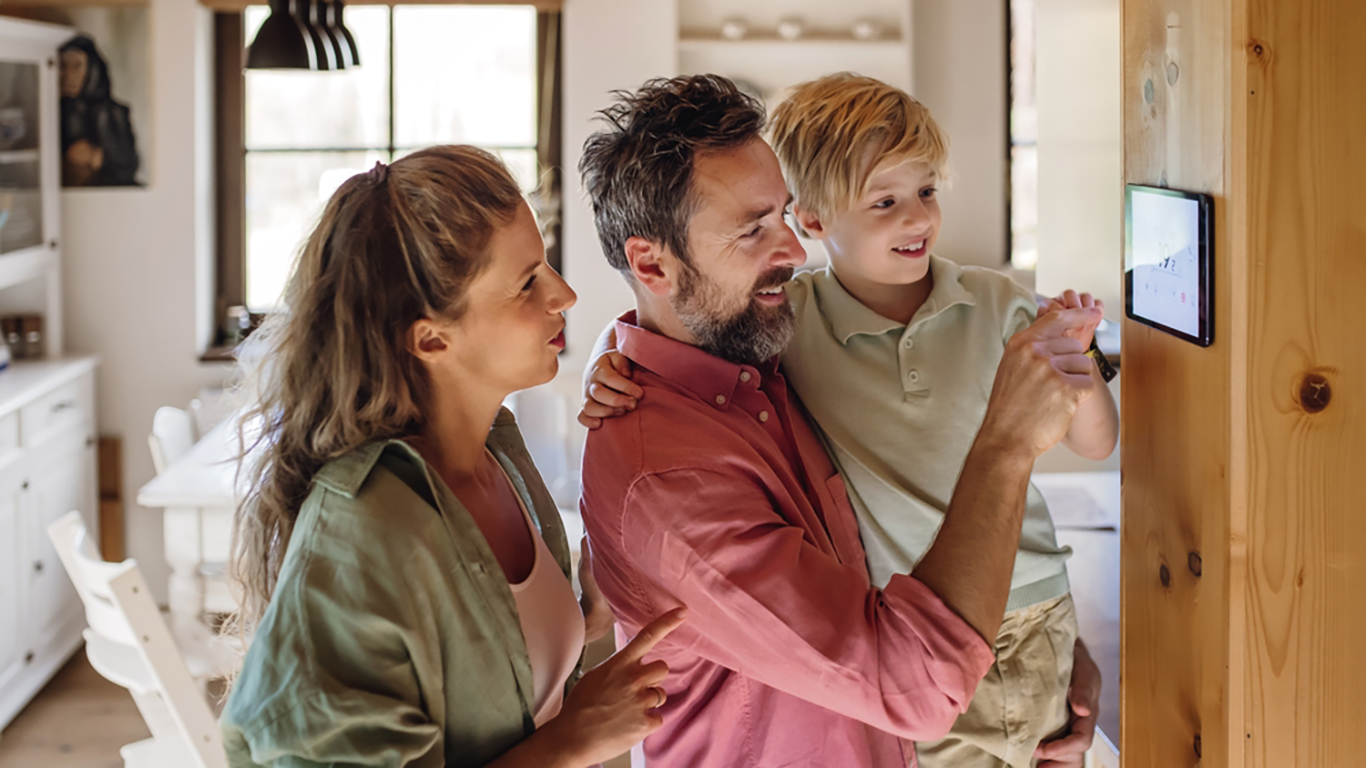
Programmable and smart thermostats excel in Colorado's variable climate. They automatically adjust based on your schedule and can adapt to changing conditions.
Smart thermostats offer features particularly useful for Colorado:
- Weather-responsive adjustments: Some models factor outdoor conditions into their heating decisions
- Learning algorithms: They figure out how long your home takes to heat up and cool down
- Remote control: Adjust from your phone if weather changes unexpectedly
- Energy reports: See how temperature choices affect your usage
If you're still using a manual thermostat, an upgrade to even a basic programmable model can make fall comfort management much easier.
Finding Your Personal Sweet Spot
Ultimately, the best thermostat setting is one that keeps you comfortable without wasting energy. Start with the 68°F guideline and adjust based on how you feel. If you're reaching for a blanket at 68°F, go up a degree. If you're comfortable at 66°F, there's no reason to heat more.
Pay attention to your energy bills as you experiment. Small adjustments have modest impacts, but if your bills spike dramatically, it's worth evaluating whether your comfort choices align with your budget.
If you're struggling to maintain comfortable temperatures despite reasonable thermostat settings, the problem might be your HVAC system rather than your thermostat choices. Winterrowd HVAC can evaluate your system's performance and ensure it's operating efficiently for Colorado's demanding climate.
Struggling With Comfort This Fall?
If your home isn't maintaining temperature well, Winterrowd HVAC can diagnose the problem and recommend solutions.
Contact Winterrowd HVAC