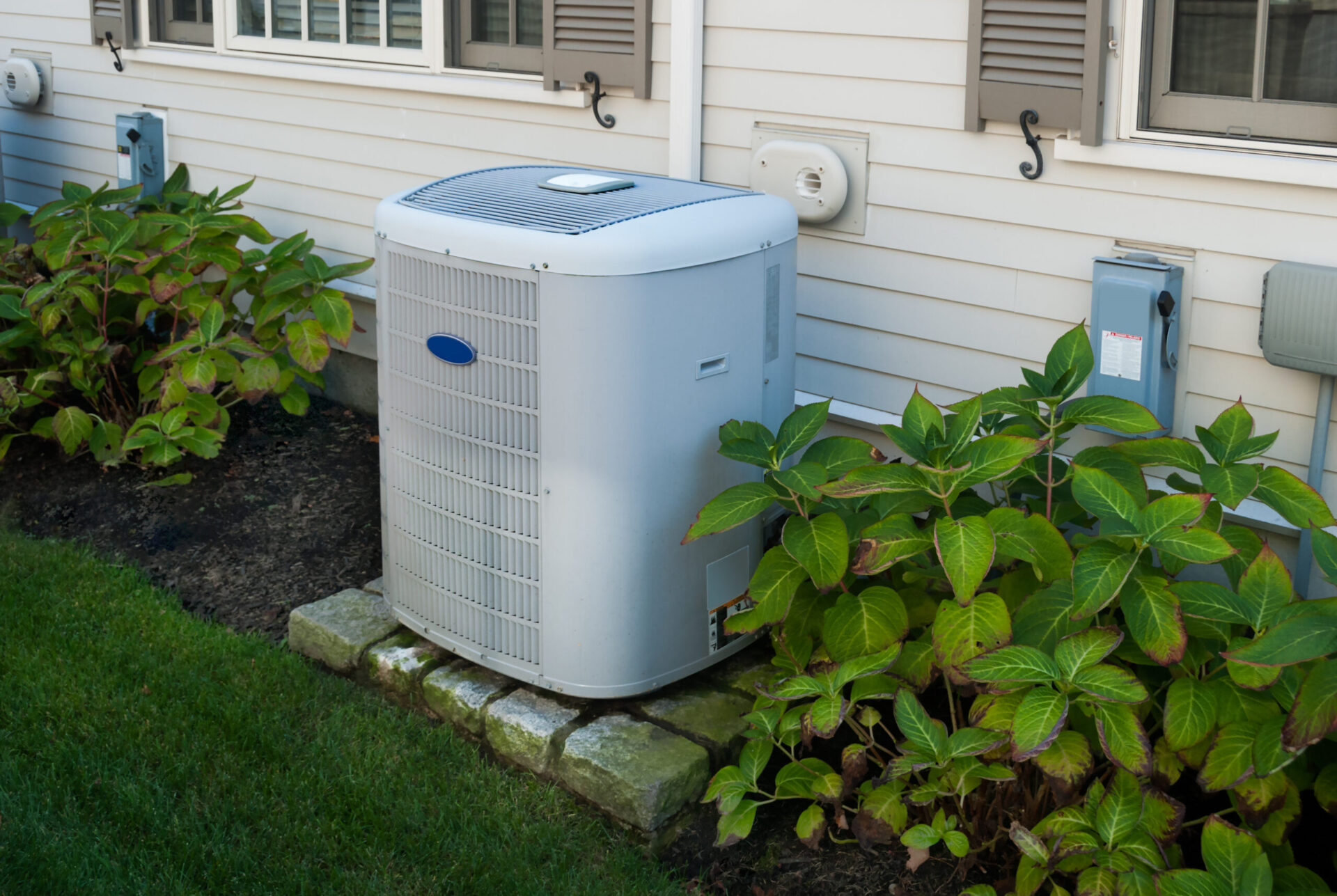
Living at 6,035 feet in the Pikes Peak region comes with spectacular views and incredible weather—sometimes all in the same day. It's not unusual for Colorado Springs to start a fall morning at 32°F, climb to 75°F by afternoon, then drop back to freezing overnight. These dramatic temperature swings are part of what makes living here special, but they put extraordinary stress on your HVAC system.
While your neighbors in coastal climates might see their temperatures vary by 10-15 degrees daily, you're dealing with fluctuations triple that size. Your HVAC system wasn't designed to cycle between heating and cooling multiple times per day, yet that's exactly what Colorado's weather demands.
Why Our Weather Is So Extreme
Colorado Springs sits in a unique meteorological position that creates our wild temperature swings. Our high altitude means thinner atmosphere with less capacity to hold heat. When the sun shines directly on us through this thinner air, temperatures can soar rapidly. But when that sun drops below the horizon or disappears behind clouds, heat escapes just as quickly back into space.
The proximity to the mountains adds another layer of complexity. Cold air drains down from higher elevations at night, while chinook winds can bring sudden warming during the day. Being on the eastern edge of the Rockies means we're constantly battling between continental air masses and mountain weather patterns.
This isn't just a spring and fall phenomenon, either. Even winter days can see 30-40 degree swings, and summer isn't immune to significant temperature variations. Your HVAC system deals with this reality 365 days a year.
How Temperature Cycling Stresses Equipment
Every time your HVAC system starts up, it experiences stress. Components expand and contract. Motors engage. Electrical connections make and break. In a moderate climate, a system might cycle 4-6 times per day. In Colorado Springs during transitional seasons, that number can easily double or triple.
Thermal Expansion and Contraction
Metal expands when heated and contracts when cooled. Your furnace's heat exchanger goes through dramatic temperature changes with each cycle—from room temperature to 140°F or higher, then back down. When this happens 10-15 times per day instead of 5, the cumulative stress accelerates wear.
Ductwork experiences the same phenomenon. Joints that seal perfectly when temperatures are stable can develop gaps and leaks when subjected to constant expansion and contraction. This is why Colorado Springs homes often develop duct leaks faster than homes in more stable climates.
Compressor Wear in Air Conditioners
Your air conditioner's compressor is designed for long run cycles. Starting the compressor is the hardest part of its job—it's when the most wear occurs and the most energy is consumed. On a day when you need AC at 2 PM but not by 6 PM, then need heat by 8 PM, you're forcing multiple mode changes that most HVAC systems aren't built to handle regularly.
Each startup stresses motor windings, bearings, and electrical components. More cycles mean more wear, which translates to shorter equipment lifespan.
Control Board and Sensor Fatigue
Modern HVAC systems rely on sophisticated electronic controls. Temperature sensors, pressure switches, and control boards work constantly to manage your system. The frequent cycling caused by our weather patterns means these components are in nearly constant operation, working harder than they would in stable climates.
Electronic components have rated lifespans based on operating hours and cycles. More cycles means you reach those limits faster.
The Altitude Factor
Our 6,035-foot elevation compounds the stress on HVAC equipment. Air at altitude is less dense, which affects combustion efficiency in furnaces and heat transfer in air conditioners. Your equipment has to work harder to move the same amount of heat because there are fewer air molecules to carry that heat.
Furnaces burn less efficiently at altitude, running longer to produce the same heat output. Air conditioners and heat pumps see reduced capacity because the thinner air doesn't transfer heat as effectively. When you combine this altitude penalty with frequent cycling, you're putting your equipment through conditions it was never designed for—at least not in the factory where it was engineered at sea level.
Signs Your System Is Struggling
How do you know if Colorado's temperature swings are taking a toll on your HVAC system? Watch for these warning signs:
Short cycling: If your system turns on and off every few minutes rather than running in longer cycles, it's struggling to maintain temperature efficiently. This accelerates wear dramatically.
Inconsistent temperatures: Rooms that were comfortable last season but now run hot or cold may indicate ductwork leaks or reduced system capacity from accumulated wear.
Rising energy bills: A system working harder due to wear will consume more energy. If your bills are climbing despite similar usage patterns, your equipment may be losing efficiency.
Strange noises: Pinging, banging, or rattling sounds during startup or shutdown often indicate thermal stress on ductwork or loose components from vibration.
Delayed response: If your system takes noticeably longer to reach desired temperatures, it may be losing capacity from the cumulative effects of constant cycling.
Protecting Your System From Temperature Stress
You can't control Colorado's weather, but you can reduce the stress it places on your HVAC equipment:
Use a Wider Temperature Band
Instead of trying to maintain a precise 70°F all the time, allow a wider comfort range—maybe 68-72°F. This reduces how often your system needs to cycle on and off to maintain temperature. On mild days, this strategy lets your home coast through comfortable periods without the HVAC running at all.
Invest in a Smart or Programmable Thermostat
Quality thermostats can reduce unnecessary cycling by better predicting when heating or cooling is actually needed. They can factor in outdoor temperature trends and prevent the system from fighting against rapidly changing conditions. Some models even have adaptive recovery features that learn how long your home takes to heat or cool, starting the system at optimal times rather than cycling it repeatedly.
Maintain Your Equipment Religiously
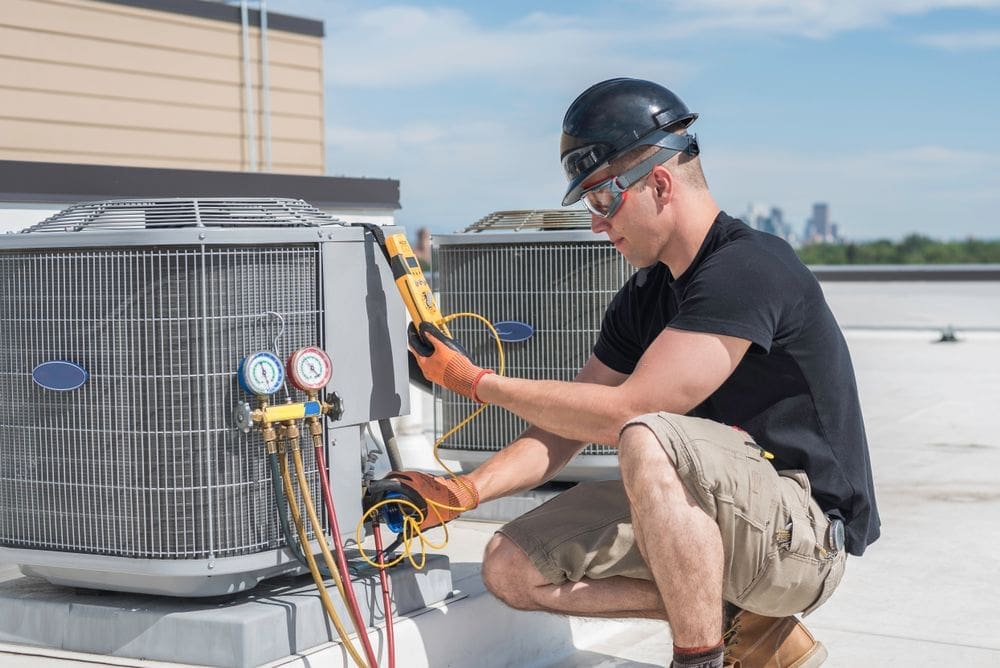
The harder your system works, the more important maintenance becomes. Colorado Springs systems need twice-yearly professional maintenance—once before cooling season and once before heating season. This isn't optional in our climate; it's essential.
During maintenance, technicians can catch wear patterns before they become failures, lubricate parts subjected to extra friction from frequent cycling, and ensure efficiency remains as high as possible. Winterrowd HVAC specializes in maintaining systems in our demanding climate and knows exactly what to look for in equipment stressed by temperature extremes.
Improve Your Home's Thermal Envelope
The better your home retains temperature, the less your HVAC system has to work. Adding insulation, sealing air leaks, and upgrading windows all reduce the burden on your equipment. A well-insulated home in Colorado Springs can coast through temperature swings without dramatic indoor temperature changes, reducing cycling frequency.
Consider Zoned Systems
Zoning allows different areas of your home to be heated or cooled independently. This is particularly valuable in Colorado Springs where south-facing rooms might need cooling while north-facing rooms still need heat on the same afternoon. Rather than cycling the entire system repeatedly, zones can manage comfort more precisely with less overall wear.
Replace Aging Equipment Before It Fails
HVAC systems in Colorado Springs typically last 12-15 years compared to 15-20 years in milder climates. The temperature stress simply takes a toll. Rather than running equipment until catastrophic failure—which always happens at the worst possible time—plan for replacement when your system reaches 12-14 years old.
Newer equipment is also better designed for variable loads and frequent cycling, especially variable-speed systems that can modulate output rather than just turning on and off.
When to Call a Professional
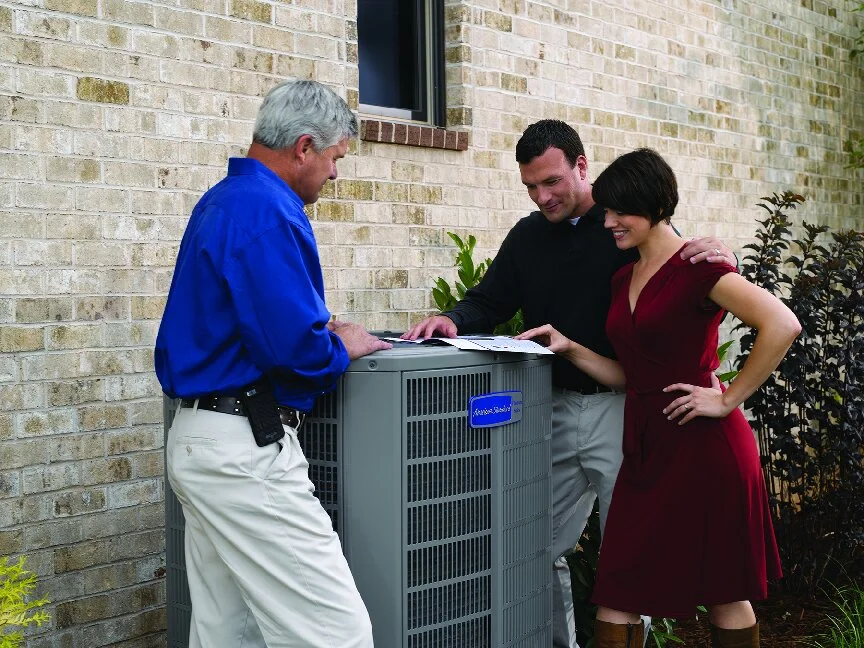
If your system is showing signs of stress—short cycling, unusual noises, inconsistent temperatures, or rising energy costs—don't wait for complete failure. A professional assessment can identify problems before they escalate into expensive emergency repairs.
The unique stresses of Colorado Springs weather mean your HVAC system needs specialized attention from technicians who understand altitude effects and temperature cycling issues. Generic maintenance schedules designed for moderate climates don't address the specific wear patterns our equipment experiences.
Is Temperature Stress Affecting Your HVAC System?
Winterrowd HVAC understands the unique challenges of maintaining HVAC equipment in Colorado Springs' extreme temperature swings. Schedule a system evaluation today.
Contact Winterrowd HVAC