Carbon monoxide is called the silent killer for good reason—it's invisible, odorless, and deadly. In Colorado Springs, at 6,035 feet elevation, the risks associated with carbon monoxide increase in ways many homeowners don't realize. Our altitude, combined with longer heating seasons and specific furnace challenges, creates unique CO safety concerns that demand attention as winter approaches.
Understanding how altitude affects carbon monoxide risks isn't just academic—it's potentially life-saving information for anyone living in the Pikes Peak region. Let's examine what makes CO dangerous at elevation and exactly what you need to do to protect your family.
Why Altitude Amplifies Carbon Monoxide Risks
At sea level, oxygen comprises about 21% of the air. At 6,035 feet in Colorado Springs, the percentage remains the same but the atmospheric pressure is roughly 20% lower. This means less oxygen is available per breath—a phenomenon every runner and hiker in our area knows intimately.
This reduced oxygen availability creates two distinct problems regarding carbon monoxide safety. First, furnaces and other combustion appliances struggle to achieve complete combustion at altitude. Incomplete combustion is the primary source of carbon monoxide production. Your furnace needs adequate oxygen to burn natural gas cleanly. When oxygen is scarce, combustion becomes less efficient, producing more CO as a byproduct.
Second, when you breathe carbon monoxide, it binds to hemoglobin in your blood about 200 times more readily than oxygen does. At altitude where your body is already working harder to capture oxygen from thinner air, carbon monoxide poisoning symptoms appear faster and at lower CO concentrations than at sea level. What might cause mild symptoms in Denver could be significantly more serious in Colorado Springs.
Common Sources of Carbon Monoxide in Colorado Homes
Any appliance that burns fuel produces carbon monoxide. In Colorado Springs homes, the most common sources include:
Natural Gas Furnaces
Your furnace is the most likely CO source simply because it runs the most during our long heating season. A properly functioning furnace vents CO safely outside through the exhaust flue. Problems arise when heat exchangers crack, venting systems become blocked, or burners malfunction.
Heat exchangers develop cracks from thermal stress—repeatedly heating and cooling over years weakens the metal. At altitude, furnaces often cycle more frequently due to lower air density affecting heat transfer, potentially accelerating this wear. A cracked heat exchanger allows combustion gases including carbon monoxide to mix with the air circulating through your home.
Water Heaters
Gas water heaters produce carbon monoxide during normal operation. Like furnaces, they rely on proper venting to exhaust CO safely outside. Blocked flues, disconnected vent pipes, or backdrafting conditions can introduce CO into your living spaces.
Backdrafting is particularly concerning in Colorado's climate. When multiple combustion appliances compete for combustion air in a tightly sealed home, negative pressure can develop, drawing exhaust gases back down flues instead of allowing them to vent properly.
Fireplaces and Wood Stoves
Colorado homeowners love their fireplaces. While providing ambiance and supplemental heat, fireplaces produce substantial carbon monoxide. Creosote buildup in chimneys, closed dampers, or inadequate makeup air can cause dangerous CO accumulation.
The cozy fireplace burning during an October snow can become hazardous if the chimney hasn't been properly cleaned or if the damper is accidentally closed while embers still burn.
Attached Garages
Running vehicles in attached garages produces massive amounts of carbon monoxide. Even with garage doors open, CO can infiltrate your home through connecting doors or shared ventilation. Remote car starters are convenient on cold Colorado mornings but dangerous if used in enclosed garages.
Recognizing Carbon Monoxide Poisoning Symptoms
Early recognition of CO poisoning symptoms can save lives. The challenge is that symptoms mimic common ailments, leading people to dismiss them as flu, altitude sickness, or food poisoning.
Mild exposure symptoms include headache, dizziness, nausea, fatigue, and shortness of breath. At altitude, many residents experience these symptoms when adjusting to elevation, making CO poisoning easy to misidentify. The key differentiator: carbon monoxide symptoms improve when you leave the house and worsen when you return.
Moderate exposure brings confusion, vomiting, loss of coordination, and increased heart rate. Severe exposure causes loss of consciousness, convulsions, cardiorespiratory failure, and death.
If multiple household members develop flu-like symptoms simultaneously, particularly during heating season, consider carbon monoxide exposure. Pets often show symptoms before humans due to their smaller size and faster breathing rates. An unusually lethargic dog or cat can be an early warning sign.
Proper CO Detector Placement for Maximum Protection
Carbon monoxide detectors are essential, but placement matters significantly for effective protection. Understanding CO behavior helps optimize detector positioning.
Carbon monoxide has similar molecular weight to air, meaning it doesn't dramatically rise like smoke or sink like propane. It mixes with air and distributes relatively evenly throughout spaces. This means ceiling-mounted or floor-level placement are both acceptable, though manufacturer recommendations should always be followed.
Essential Detector Locations
Outside every sleeping area: This is the most critical placement. If CO levels rise during the night, you need warning before you're too impaired to evacuate. Place detectors in hallways outside bedrooms, ensuring alarms can be heard with bedroom doors closed.
On every level of your home: Basements, main floors, and upper stories all need coverage. Many Colorado Springs homes have multiple levels built into hillsides—ensure each level has protection.
Near combustion appliances: While not a substitute for proper placement throughout the home, detectors near furnaces, water heaters, and fireplaces provide early warning of appliance malfunctions.
In attached garages: A detector near the door between garage and living space catches CO before it infiltrates your home.
Placement Mistakes to Avoid
Don't place detectors within 15 feet of combustion appliances—the brief CO puffs during normal startup can cause false alarms, leading people to disable detectors.
Avoid locations near high humidity areas like bathrooms or kitchens. Moisture can damage sensors and reduce detector lifespan.
Don't place detectors in dead air spaces like corners where walls meet ceilings. Air circulation is minimal in these spots, delaying detection.
Keep detectors away from windows, doors, and vents where outdoor air dilutes CO concentrations before detection occurs.
Choosing the Right Carbon Monoxide Detectors
Not all CO detectors are created equal. For Colorado's altitude and climate, certain features provide better protection:
Digital displays: Models showing actual CO concentration in parts per million (ppm) let you identify low-level exposure that might not trigger alarms but still poses health risks over time. At altitude, where symptoms appear at lower concentrations, this information is particularly valuable.
Battery backup: Power outages are common during Colorado's severe winter storms. Detectors with battery backup continue protecting your family when the grid fails—exactly when you might be running a generator or using alternative heating.
Sealed lithium battery units: These detectors include 10-year sealed batteries, eliminating the risk of dead batteries going unnoticed. When the unit reaches end-of-life, you replace the entire detector, ensuring sensor technology stays current.
Interconnected systems: If one detector alarms, all alarms throughout the house sound. This is crucial in larger Colorado Springs homes where a basement alarm might not be heard in second-floor bedrooms.
Maintaining Your Detectors
Even the best carbon monoxide detector is worthless if not properly maintained. Follow these essential practices:
Test detectors monthly using the test button. This verifies the alarm sounds—it doesn't test sensor functionality, but it confirms the alarm will wake you if needed.
Replace batteries annually in battery-powered units, or choose sealed 10-year battery models. Many people replace batteries when changing clocks for daylight saving time—a easy reminder schedule.
Replace entire detector units every 5-7 years, or according to manufacturer recommendations. CO sensors degrade over time, becoming less sensitive and reliable.
Keep detectors clean by vacuuming vents monthly to prevent dust buildup that can interfere with sensors.
Prevention: The Best Defense Against Carbon Monoxide
While detectors are essential for safety, prevention is even better. These steps minimize CO risks in your Colorado Springs home:
Annual Furnace Maintenance
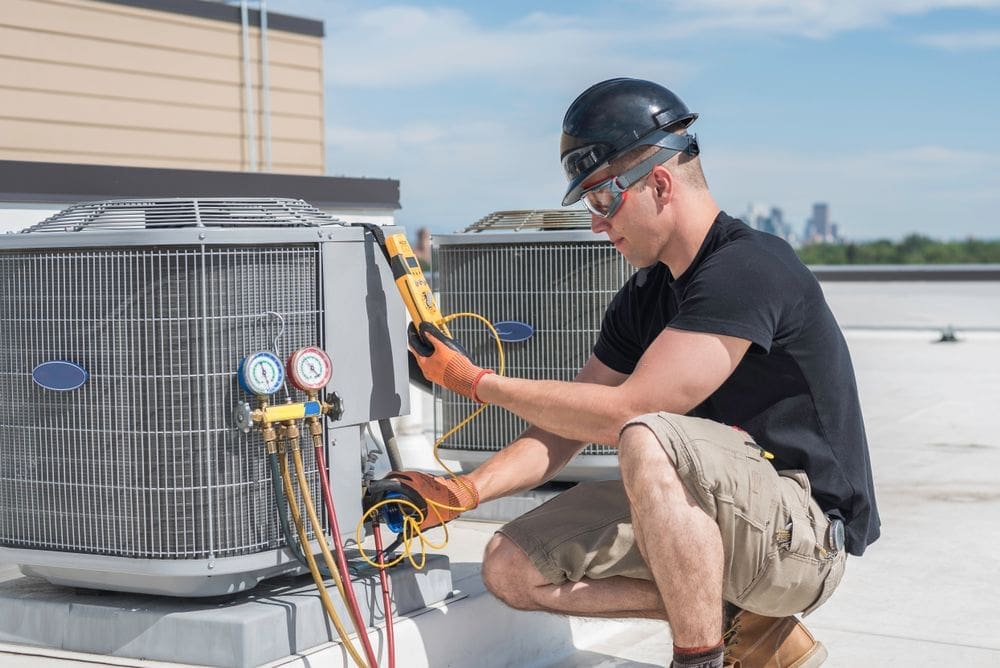
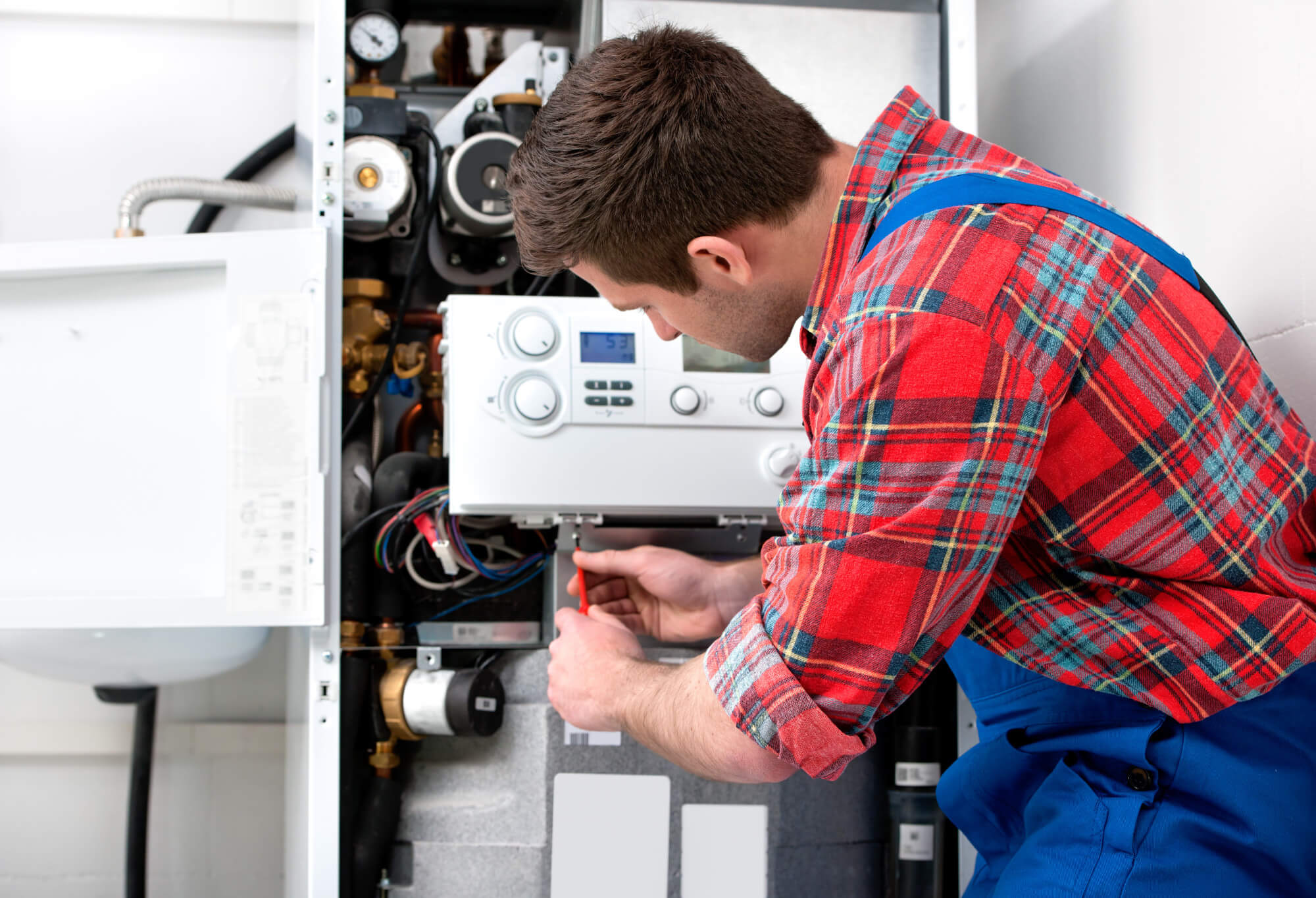
Professional furnace inspection and maintenance is your primary defense against CO hazards. Technicians inspect heat exchangers for cracks, verify proper venting, test combustion efficiency, and ensure adequate combustion air supply. These checks identify problems before they become dangerous.
At altitude, combustion systems require specific expertise. Technicians experienced with high-altitude HVAC systems understand the adjustments needed for proper combustion at reduced oxygen levels, ensuring your furnace operates safely and efficiently.
Chimney and Flue Inspections
Have chimneys professionally inspected and cleaned annually if you use your fireplace regularly. Creosote buildup restricts airflow and increases CO risk. Bird nests, leaves, and other debris can block flues between seasons, causing dangerous backdrafting when you light your first fall fire.
Adequate Ventilation
Combustion appliances need adequate air for complete combustion. Modern energy-efficient homes are tightly sealed, potentially starving appliances of combustion air. If you've recently upgraded windows, added insulation, or improved air sealing, have an HVAC professional verify your combustion appliances have adequate makeup air.
Never Use Generators Indoors
Portable generators produce massive amounts of carbon monoxide. Run generators at least 20 feet from your home with exhaust directed away from windows and doors. Never operate generators in garages, basements, or near air intakes—even with doors or windows open.
Colorado's severe winter storms can cause extended outages, making generator use tempting. Plan generator placement before emergencies occur, ensuring safety even in desperate circumstances.
Garage Safety Practices
Never run vehicles in attached garages, even briefly. Modern fuel-injected engines produce less CO than older carbureted models, but concentrations still reach lethal levels quickly in enclosed spaces.
On cold Colorado mornings, resist the temptation to warm your car in the garage. Either brave the cold or use a remote starter only after pulling the vehicle outside.
What to Do If Your Detector Alarms
When a carbon monoxide detector alarms, treat it as a real emergency, not a false alarm. Follow these steps:
Immediately evacuate all people and pets from the home. Don't investigate the source or try to locate the problem—get out first.
Call 911 from outside the home. Emergency responders have equipment to measure CO levels and locate sources safely.
Do not re-enter the home until emergency responders declare it safe. Even if the alarm stops, dangerous CO concentrations may persist.
If anyone shows symptoms of CO poisoning, inform emergency responders immediately. Medical evaluation is critical, as carbon monoxide can cause delayed neurological effects even after exposure ends.
After the immediate emergency resolves, have your HVAC system and all combustion appliances professionally inspected before using them again. The problem that caused the alarm could worsen without proper repairs.
Seasonal Considerations for Colorado Springs
Carbon monoxide risks vary seasonally in our region, with heating season presenting the highest danger period.
October through April brings increased furnace use and closed-up homes, creating prime conditions for CO buildup. Schedule furnace maintenance in September, before you need reliable heat.
Heavy snow can block furnace exhaust vents, particularly on north-facing walls where snow accumulates. After significant snowfall, verify furnace exhaust vents remain clear. Modern high-efficiency furnaces use PVC exhaust pipes typically located low on exterior walls—exactly where snow drifts form.
Temperature inversions are common in the Pikes Peak region during winter, trapping cold air near the surface. These conditions can affect venting efficiency, making proper appliance function even more critical.
Ensure Your Heating System is Safe This Winter
Winterrowd HVAC provides comprehensive safety inspections including carbon monoxide testing for Colorado Springs homes. Protect your family before heating season begins.
Schedule Safety Inspection