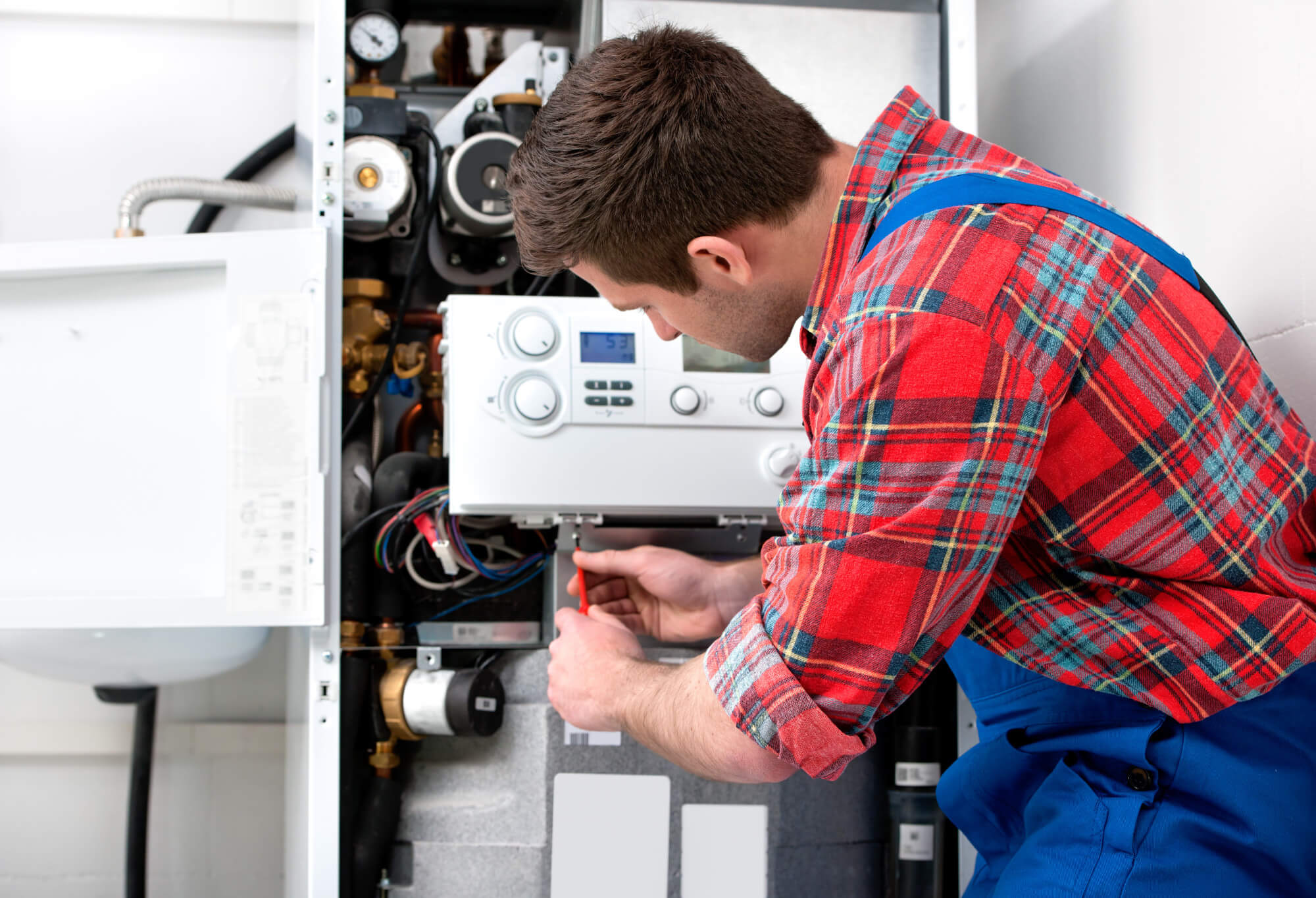
The appeal of DIY furnace repair is understandable. You're handy, you've fixed plumbing and electrical issues before, and professional HVAC service costs hundreds of dollars. YouTube videos make furnace repair look straightforward—replace this part, adjust that setting, and you're done. What those videos don't mention is that at 6,035 feet elevation in Colorado Springs, the margin for error shrinks dramatically and the consequences of mistakes become significantly more serious.
Altitude fundamentally changes how combustion systems operate. The reduced oxygen availability, different air density, and specific calibration requirements for high-altitude furnaces create hazards that don't exist at sea level. What might be a minor mistake in Denver could be a life-threatening error in Colorado Springs. Understanding these risks helps you make informed decisions about when DIY is acceptable and when professional expertise is essential.
How Altitude Amplifies Furnace Repair Risks
At sea level, air contains approximately 21% oxygen at normal atmospheric pressure. In Colorado Springs at 6,035 feet, oxygen percentage remains the same but atmospheric pressure is roughly 20% lower. This means less oxygen is available per cubic foot of air—a critical factor for combustion systems that rely on precise air-to-fuel ratios.
Gas furnaces require specific oxygen quantities for complete combustion. Too little oxygen produces incomplete combustion, generating dangerous carbon monoxide instead of harmless carbon dioxide. At altitude, achieving complete combustion requires careful calibration of gas pressure, burner orifices, and airflow—adjustments that sea-level instructions don't address.
When DIY repairs interfere with these carefully calibrated systems, the results can be deadly. A gas pressure setting that works fine at lower elevation can cause incomplete combustion at our altitude, filling your home with carbon monoxide while you sleep. You won't smell it, you won't see it, and you might not wake up.
The Carbon Monoxide Danger You Can't Afford to Ignore
Carbon monoxide poisoning is the most serious risk of improper furnace repair at altitude. CO is colorless, odorless, and tasteless—you have no way to detect it without proper equipment. It binds to hemoglobin in your blood 200 times more readily than oxygen, starving your body of oxygen even as you continue breathing.
At altitude where your body already struggles to extract adequate oxygen from thinner air, carbon monoxide poisoning symptoms appear faster and at lower concentrations than at sea level. What might cause mild headaches elsewhere could cause unconsciousness here.
Common DIY mistakes that create CO hazards include: improperly adjusted gas pressure causing incomplete combustion, damaged or disconnected venting allowing exhaust into living spaces, incorrect burner orifice size for altitude, blocked or restricted combustion air intake, and heat exchanger damage missed during visual inspection.
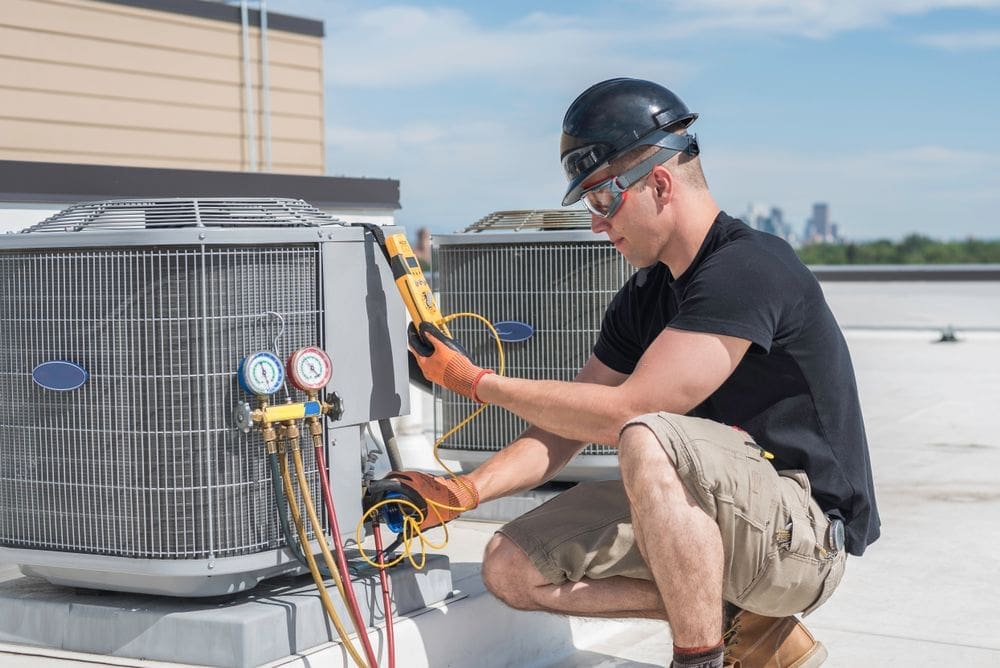
Professional HVAC technicians use combustion analyzers measuring exact CO production in exhaust gases. They can detect dangerous incomplete combustion that produces no obvious symptoms—your furnace appears to work fine while silently poisoning your home. DIY repairs lack this critical safety verification.
Why Home CO Detectors Aren't Enough
Carbon monoxide detectors are essential safety devices, but they're not foolproof protection against repair mistakes. Detectors typically alarm at 70 ppm over 60 minutes or 150 ppm over 15 minutes—levels that already indicate serious problems and potential health effects.
Slow CO leaks at 30-40 ppm might not trigger alarms for hours or days, but chronic low-level exposure causes headaches, fatigue, nausea, and cognitive impairment. You might attribute symptoms to altitude adjustment, stress, or illness while carbon monoxide slowly poisons your family.
Professional combustion testing measures CO in single-digit parts per million, identifying problems before they reach detector threshold levels. This preventive approach catches issues during normal service rather than waiting for dangerous accumulation to trigger alarms.
Combustion System Complexity at Altitude
Modern furnaces aren't simple devices. They include sophisticated controls, multiple safety systems, and precise calibration requirements. At altitude, this complexity increases:
Gas Pressure Must Be Altitude-Specific
Natural gas pressure requires adjustment for elevation. Sea-level pressure settings produce too much gas at altitude where lower atmospheric pressure affects gas flow. Excessive gas without corresponding oxygen increase creates rich combustion conditions—more fuel than available oxygen can completely burn.
Gas pressure adjustment requires specialized manometers measuring pressure in inches of water column. Generic pressure gauges don't provide adequate precision. Adjusting by ear or appearance—methods some DIY guides suggest—is dangerous guesswork that can create deadly combustion problems.
Burner Orifices Are Sized for Altitude
Burner orifices—the small openings that meter gas flow—come in specific sizes for different altitudes. Installing sea-level orifices in Colorado Springs causes excessive gas flow and incomplete combustion. The difference seems minor—fractions of a millimeter—but the safety implications are enormous.
Online parts suppliers often ship whatever orifices they have in stock, not necessarily altitude-appropriate sizes. Installing wrong orifices without combustion testing creates invisible hazards that might not manifest until your family has been exposed to carbon monoxide for weeks.
Heat Exchanger Inspection Requires Expertise
Heat exchangers separate combustion gases from air circulating through your home. Cracks or holes in heat exchangers allow carbon monoxide to mix with breathing air—a potentially fatal failure.
Visual heat exchanger inspection is challenging even for professionals. Cracks might be hairline-thin, hidden in shadows, or located in areas not visible without disassembling the furnace. Professionals use cameras, pressure testing, and combustion analysis to detect compromised heat exchangers. DIY visual inspection misses subtle but dangerous cracks.
At altitude, heat exchangers experience more thermal stress due to combustion challenges, potentially accelerating crack development. This makes thorough inspection even more critical.
Electrical Hazards in Furnace Repair
Beyond combustion risks, furnaces contain electrical hazards that cause injury, fire, or expensive equipment damage:
High voltage circuits: Furnaces operate on 120-volt circuits, but some components use 24-volt control circuits while others use full line voltage. Confusing these during repair can destroy controls, cause electrical shocks, or start fires.
Capacitor dangers: Blower motor capacitors store electrical charges even after power is disconnected. Touching capacitor terminals without properly discharging them delivers painful and potentially dangerous shocks. Capacitor failure can explode, spraying metal shrapnel and oil.
Improper wiring: Connecting wires incorrectly can damage expensive control boards, create short circuits, or cause fires inside furnace cabinets. Replacement control boards cost $300-800, far exceeding professional service costs.
Gas valve electrical connections: Gas valves use electrical solenoids to control gas flow. Wiring these incorrectly can cause valves to fail open or closed, either preventing heat or allowing dangerous gas flow without proper ignition.
What DIY Tasks Are Actually Safe?
Not all furnace-related tasks require professionals. Several maintenance activities are safe for homeowners and help keep systems running efficiently:
Filter Replacement
Changing furnace filters is the single most important homeowner maintenance task. Filters are designed for user replacement, requiring no tools or technical knowledge. Simply remove the old filter, insert a new one in the same orientation (arrows on filter frame indicate airflow direction), and you're done.
This simple task prevents numerous problems: reduced airflow, overheating, short cycling, poor indoor air quality, and excessive energy consumption. In Colorado's dusty environment, monthly filter checks with replacement when dirty maintains optimal performance.
Thermostat Batteries
If your thermostat uses batteries, replacing them is straightforward and safe. Low batteries cause thermostats to lose programming or fail completely. Replace batteries annually or when low-battery warnings appear.
Clearing Obstructions
Ensuring vents and registers remain unobstructed requires no technical expertise. Walk through your home verifying furniture, curtains, or storage items don't block airflow. Clear debris from around outdoor equipment. These simple tasks improve efficiency and prevent problems.
Resetting Tripped Safety Switches
If your furnace stops working, checking whether the emergency shutoff switch (usually a wall switch near the furnace) was accidentally turned off is safe troubleshooting. Similarly, verifying the circuit breaker hasn't tripped requires no expertise.
However, if safety switches trip repeatedly, don't keep resetting them. Repeated trips indicate problems requiring professional diagnosis—continuing to reset defeats safety systems designed to protect you from hazards.
When Professional Service is Non-Negotiable
Certain repairs should never be DIY projects, regardless of your skills or confidence:
Any Work Involving Gas Connections
Disconnecting gas lines, replacing gas valves, or adjusting gas pressure requires professional expertise and specialized tools. Gas leaks create explosion and asphyxiation risks. Even small leaks can cause deadly accumulations in enclosed spaces.
In Colorado, gas work typically requires licensed contractors. DIY gas work might void your homeowner's insurance if problems result in fire or explosion. The financial and safety risks are simply not worth any perceived savings.
Heat Exchanger Replacement
Replacing a cracked heat exchanger involves significant disassembly, precise reassembly, and post-repair combustion testing. Heat exchangers are expensive—often $600-1,200 for parts alone. For furnaces more than 10-12 years old, replacement often makes more economic sense than heat exchanger repair.
Professional assessment determines whether repair or replacement is the better investment. DIY attempts at heat exchanger replacement usually result in either incomplete repairs that leave CO hazards or damaged equipment requiring even more expensive professional intervention.
Control Board Replacement
While physically replacing a control board might seem simple, these components require proper configuration for your specific furnace and altitude. Incorrect settings prevent operation or create unsafe conditions. Control boards are expensive—mistakes cost hundreds in damaged parts.
Ignition System Repairs
Modern furnaces use hot surface ignitors or electronic ignition systems. These components are fragile, expensive, and critical for safe operation. Improper installation can damage new parts immediately, create unsafe ignition conditions, or cause gas buildup that explodes on ignition.
Venting System Modifications
Any changes to exhaust venting—length, configuration, materials, or termination—affect draft and safe exhaust elimination. At altitude where draft characteristics differ from sea level, proper venting is critical. Improper venting causes backdrafting, bringing combustion products including carbon monoxide into your home.
Venting requirements are specified in building codes and manufacturer instructions. Professional installers understand these requirements and local code variations. DIY venting modifications frequently violate codes and create hazards inspectors will flag if you sell your home.
The True Cost of DIY Mistakes
Beyond immediate safety risks, DIY repairs gone wrong create expensive consequences:
Voided warranties: Manufacturer warranties typically require professional installation and service. DIY repairs void warranties, leaving you responsible for full replacement costs if major components fail.
Code violations: Unpermitted HVAC work violates building codes. When you sell your home, inspections might identify unpermitted work, requiring expensive professional remediation before sale can proceed.
Insurance complications: If furnace-related fires or carbon monoxide incidents result from DIY repairs, insurance companies might deny claims based on improper service. The resulting liability—medical bills, property damage, legal costs—could be financially devastating.
Compounded damage: Incorrect diagnosis followed by wrong repairs often causes additional damage. A $150 professional diagnosis preventing a $400 DIY mistake that destroys a $600 control board is clearly the better value.
How to Work Safely With HVAC Professionals
While DIY has limited appropriate scope for furnace work, you can still be an informed customer working effectively with professionals:
Describe symptoms accurately: Instead of diagnosing problems yourself, describe exactly what you observe—noises, smells, performance issues, error codes. Let professionals diagnose based on this information combined with their expertise and testing.
Ask about altitude-specific service: Ensure your HVAC contractor has experience with high-altitude systems. Ask specifically how they adjust for elevation during installation, repair, and maintenance. Local contractors familiar with Colorado Springs' altitude understand these requirements instinctively.
Request combustion testing: After any repairs affecting combustion systems, ask for combustion analysis results. Technicians should verify CO levels, combustion efficiency, and proper draft. These tests confirm repairs didn't create invisible hazards.
Understand warranty implications: Ask how repairs affect manufacturer warranties and whether the contractor warranties their work. Documented professional service maintains warranty coverage DIY work eliminates.
Get written estimates: For expensive repairs, request detailed written estimates including specific parts, labor, and testing. This allows informed comparison and prevents surprise costs.
Balancing Cost Concerns With Safety
Cost is a legitimate concern—professional HVAC service is expensive. However, furnace failures occur primarily during the coldest weeks of winter when you're most dependent on heat and when emergency service costs peak.
Professional maintenance preventing failures costs far less than emergency repairs. Annual maintenance typically runs $100-150. Emergency service during a January cold snap when your furnace quits at 10pm Saturday might cost $400+ just for the emergency call, before any actual repairs.
Preventive maintenance also identifies developing problems when they're minor and inexpensive. A $75 flame sensor cleaning during maintenance prevents a $300 emergency service call plus $150 in parts when the sensor fails completely during a blizzard.
For Colorado Springs homeowners on tight budgets, many HVAC companies offer maintenance agreements spreading costs over monthly payments while providing priority service and repair discounts. This makes professional service more affordable while maintaining safety and warranty coverage.
The Bottom Line on DIY Furnace Repair
At 6,035 feet elevation, the stakes for furnace repair mistakes are higher than at lower altitudes. Reduced oxygen, different combustion characteristics, and altitude-specific calibration requirements create hazards that don't exist elsewhere. The expertise required to safely navigate these challenges exceeds what most homeowners can develop through online research and good intentions.
Stick to simple maintenance tasks—filter changes, thermostat batteries, keeping vents clear. For anything involving gas connections, combustion systems, electrical components, or heat exchangers, invest in professional service. The cost is modest compared to the value of your family's safety and the expense of correcting DIY mistakes.
Expert High-Altitude Furnace Service
Winterrowd HVAC provides professional furnace repair and maintenance specifically calibrated for Colorado Springs' elevation. Our technicians ensure safe, efficient operation with proper altitude adjustments.
Schedule Professional Service