In Colorado Springs, the first freeze can arrive with startling speed. One day you're enjoying 70-degree afternoons, and seemingly overnight, temperatures plunge below freezing. Historically, the Pikes Peak region can see its first freeze anywhere from mid-September to mid-October, though early September freezes aren't unheard of at higher elevations around Monument or Black Forest.
This rapid transition catches many homeowners off guard. A comprehensive preparation strategy protects your home, your HVAC system, and your peace of mind. Use this guide to ensure you're ready when that first cold front sweeps down from the mountains.
HVAC System Preparation
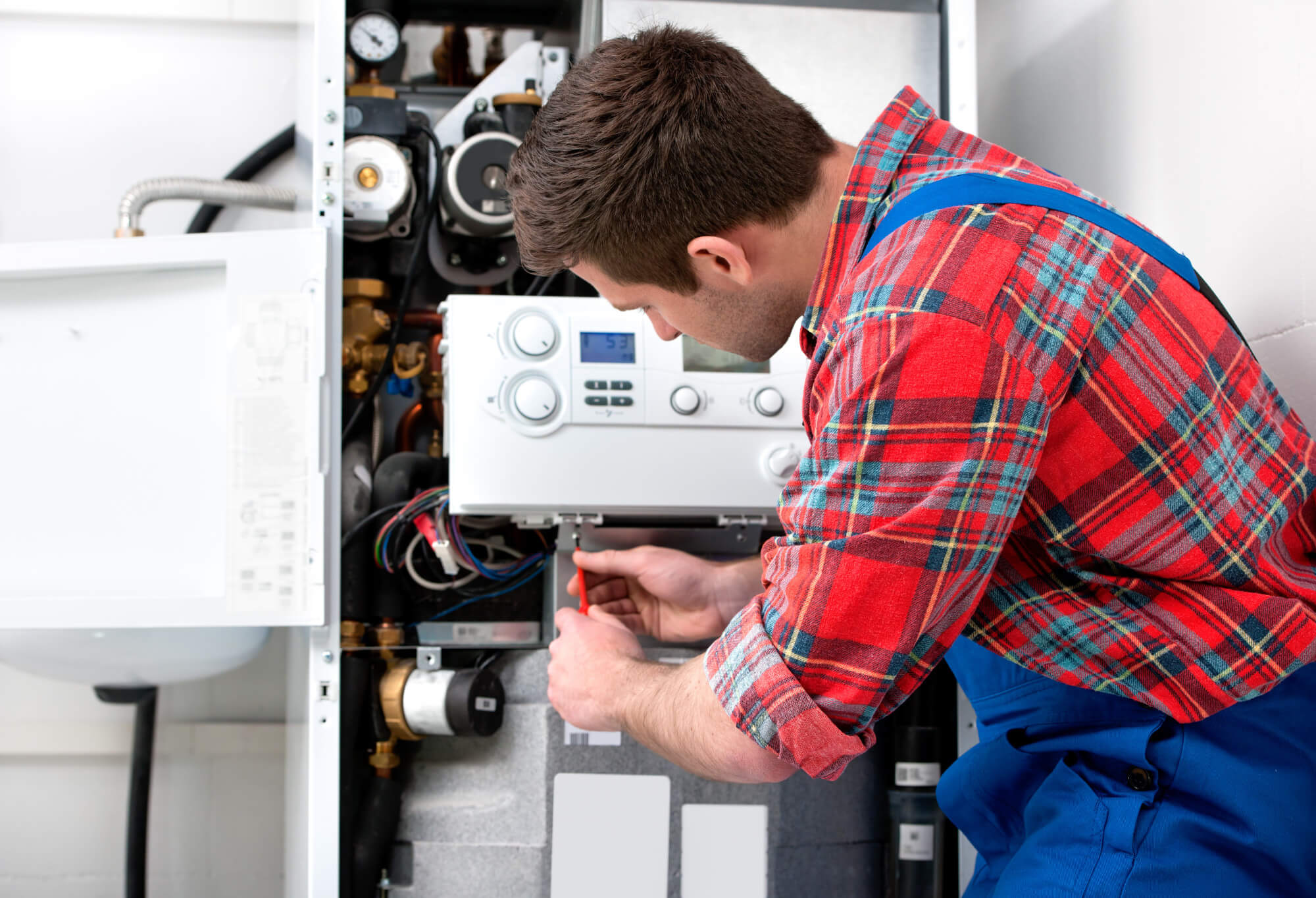
Your heating system has been dormant for months. Before you need it to work at full capacity, take these essential steps:
Test Your Furnace Early
Don't wait until you're shivering to discover your furnace won't start. On a mild day, switch your thermostat to heating mode and set it above room temperature. Your furnace should ignite within a few minutes. Let it run through a complete cycle, listening for unusual sounds and checking that warm air flows from all vents.
First-run odors are normal—dust accumulated on heat exchangers burns off during initial operation. However, persistent burning smells or gas odors require immediate professional attention.
Replace Your Air Filter
A fresh filter ensures proper airflow as your system transitions from cooling to heating. Restricted airflow forces your furnace to work harder, reduces efficiency, and can cause overheating. Start the heating season with a clean filter, then plan to check it monthly during heavy use.
Schedule Professional Maintenance
If you haven't had your furnace professionally serviced this year, now is the time. Fall is when HVAC companies get their busiest, so scheduling early ensures you get an appointment before the rush. Professional maintenance includes combustion analysis, heat exchanger inspection, and safety checks that go beyond what homeowners can do themselves.
Clear Around Outdoor Units
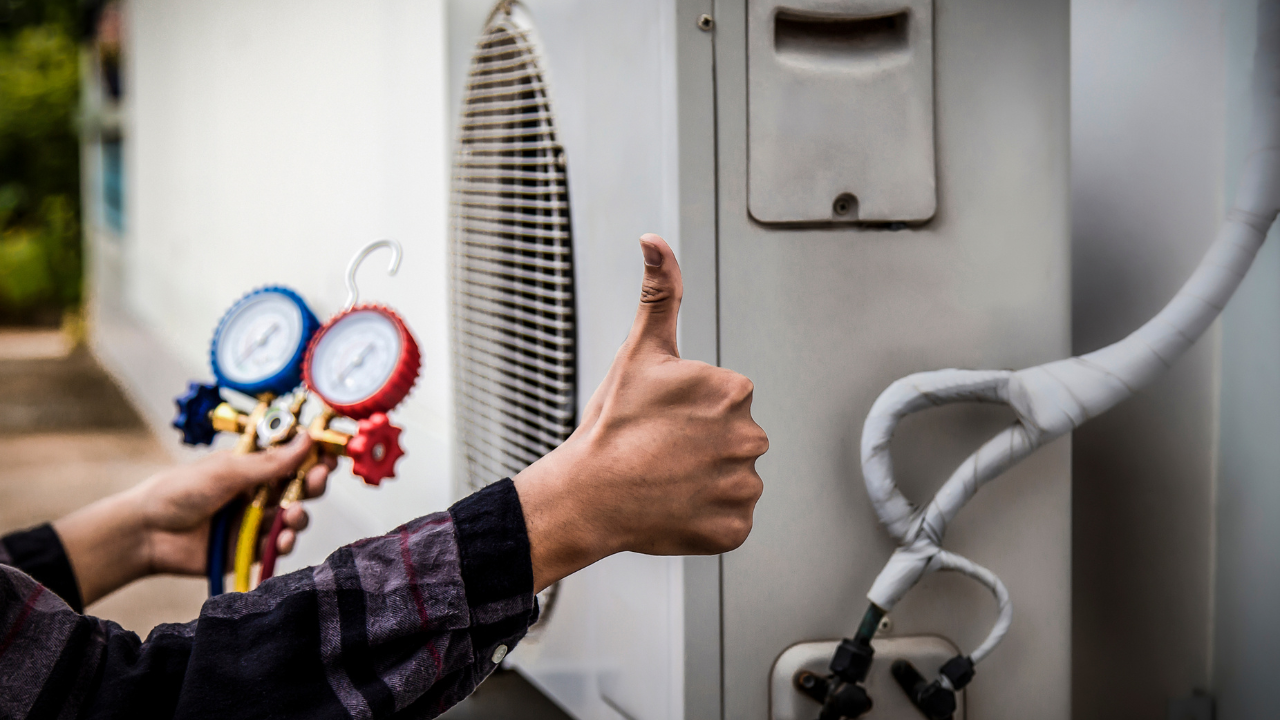
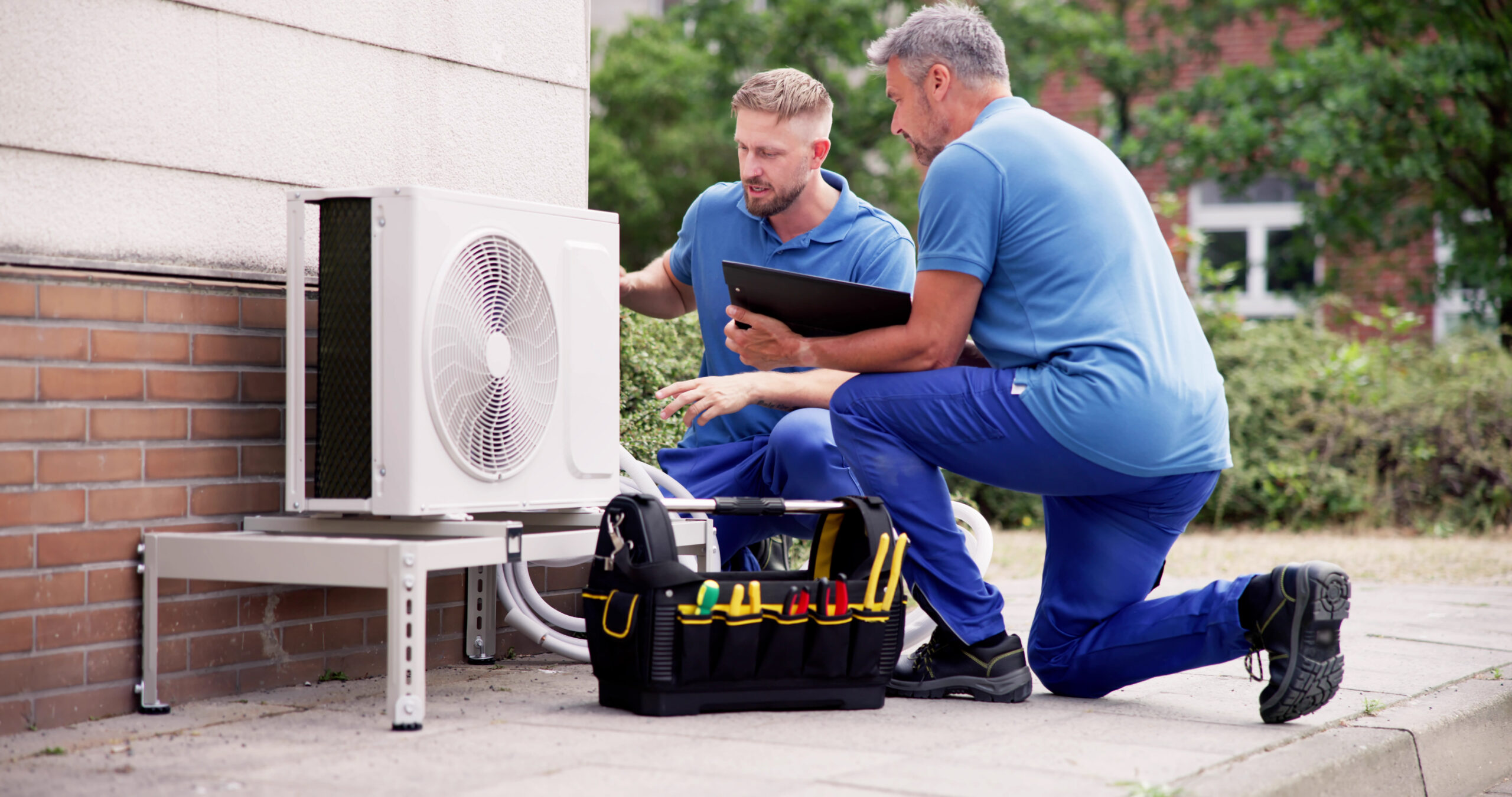
If you have a heat pump, ensure the outdoor unit has at least two feet of clearance on all sides. Remove any debris, vegetation, or outdoor furniture that accumulated during summer. While you're at it, gently clean the fins with a garden hose to remove dust and pollen buildup.
Protect Your Pipes
Frozen pipes cause thousands of dollars in damage each year. Colorado's rapid temperature swings make this risk particularly acute—pipes that survived weeks of gradual cooling can freeze during a sudden overnight plunge.
Disconnect Outdoor Hoses
This is perhaps the most commonly forgotten task, yet one of the most important. Water left in hoses can freeze back into the spigot and connecting pipes, causing them to burst. Disconnect all hoses, drain them, and store them for winter. If you have frost-free spigots, leaving a hose connected defeats their protective design.
Insulate Vulnerable Pipes
Pipes in unheated spaces—garages, crawl spaces, attics, and exterior walls—are most at risk. Foam pipe insulation from any hardware store costs little and installs easily. Pay special attention to pipes near exterior walls, especially on the north side of your home where temperatures stay coldest.
Know Your Shut-Off Valve
Every household member should know the location of the main water shut-off valve. If a pipe does freeze and burst, quickly shutting off water limits damage. Test the valve now to ensure it operates smoothly—valves that sit unused for years can seize.
Consider Pipe Heating Cables
For pipes in particularly vulnerable locations, electric heating cables provide additional protection. These wrap around pipes and provide gentle heat during cold snaps. They're especially useful for pipes in crawl spaces or in mobile homes where freeze risk is higher.
Seal Air Leaks
Cold air infiltration makes your furnace work harder and creates uncomfortable drafts. Before heating season begins, conduct a simple inspection:
Check Windows and Doors
Feel around window and door frames for drafts. Weatherstripping wears out over time and may need replacement. Door sweeps at the bottom of exterior doors prevent cold air from flowing under. For windows you won't open during winter, consider temporary sealing with rope caulk or shrink film kits.
Inspect Common Problem Areas
Air often leaks where different building materials meet—where walls meet foundations, around electrical outlets on exterior walls, where pipes and wires penetrate walls. A stick of incense held near these areas on a windy day will show air movement through even small gaps.
Don't Forget the Attic
Warm air rises, and much of your home's heat loss occurs through the ceiling into the attic. Check that attic access doors or pull-down stairs have weatherstripping. Inspect around any penetrations through the ceiling—bathroom fans, light fixtures, plumbing vents—for gaps that allow warm air to escape.
Prepare for Power Outages
Colorado's first winter storms often bring power outages. Heavy snow on power lines, wind damage, and vehicle accidents all cause interruptions. Without electricity, your furnace won't run—even gas furnaces require electricity for ignition and blower operation.
Alternative Heat Sources
If you have a wood-burning fireplace or stove, ensure it's inspected and cleaned before use. Stock a supply of dry firewood. For homes without fireplaces, consider keeping safe indoor-rated backup heating options on hand. Never use outdoor heaters, grills, or generators indoors—carbon monoxide kills.
Emergency Supplies
Keep flashlights with fresh batteries, extra blankets, and bottled water accessible. If you rely on electric medical equipment, have a backup power plan. Consider how you'll keep pipes from freezing during an extended outage—knowing the location of shut-off valves and having the ability to drain pipes may be necessary.
Thermostat Strategy
Before the first freeze, review your thermostat programming. If you're still using summer settings or have a manual thermostat, now is the time to plan your heating strategy.
A programmable or smart thermostat can automatically lower temperatures when you're away or sleeping, then warm the house before you wake or return. These modest setbacks—even just 5-7 degrees—can significantly reduce heating costs without sacrificing comfort when you're home.
However, avoid dramatic setbacks that force your furnace to work excessively hard to recover. In Colorado's cold climate, catching up from a large temperature drop can take hours and strain your system.
Don't Get Caught Off Guard
Colorado weather is famously unpredictable. The extended forecast might show mild weather, but cold fronts can arrive faster than expected. The time to prepare is before you need these preparations—not when the forecast shows snow and you realize your furnace hasn't been tested.
A few hours of preventive work now can save thousands in emergency repairs, prevent frozen pipes, and ensure your family stays comfortable when winter arrives. If your HVAC system needs professional attention before the cold weather hits, schedule that appointment soon—you'll be glad you did when the first freeze arrives.
Get Your Furnace Ready for Winter
Winterrowd HVAC offers comprehensive furnace inspections and tune-ups to ensure your system is ready for Colorado's cold weather.
Schedule Service Today