That first significant snowfall in Colorado Springs can arrive anytime from mid-October through November. One day you're enjoying 60-degree sunshine with Pikes Peak gleaming in the distance. The next morning, eight inches of snow blankets your neighborhood and temperatures hover in the teens. This abrupt transition from autumn to winter doesn't give your HVAC system any grace period—it needs to be ready before that first snow flies.
At 6,035 feet elevation, our winter weather demands reliable heating systems. When a major snow event traps you indoors for days, a failing furnace isn't just inconvenient—it's dangerous. Preparing your HVAC before winter arrives in earnest ensures comfort and safety while avoiding emergency repairs during peak demand when technicians are booked solid and costs are highest.
Understanding Colorado's First Snow Patterns
Colorado Springs typically sees its first measurable snowfall in October, though the timing varies considerably year to year. Some Octobers stay mild with only trace amounts, while others bring significant accumulation. By early November, substantial snow becomes increasingly likely, and by mid-November it's expected.
First snows often melt quickly in Colorado's intense sun. But they serve as warning shots—winter is coming, and your home needs to be ready. These early events provide opportunities to identify problems with heating systems before you're desperately dependent on them during January's sub-zero nights.
The key is preparing before that first snow, not scrambling after it arrives when everyone else is calling HVAC companies simultaneously.
Essential Pre-Snow HVAC Tasks
Proper preparation involves several critical tasks that ensure your system operates reliably when winter weather arrives:
Schedule Professional Maintenance
The single most important preparation is professional furnace maintenance. Ideally, this happens in September before heating season fully begins. By late October, you're cutting it close—many HVAC companies are already transitioning from maintenance to emergency repair calls.
Professional maintenance addresses issues DIY efforts can't: thorough heat exchanger inspection for cracks that create carbon monoxide risks, combustion efficiency testing ensuring complete burning at altitude, gas pressure verification for proper operation at 6,035 feet, blower motor performance evaluation, electrical connection tightening, and safety control testing.
These tasks require specialized tools and expertise. A cracked heat exchanger might show no obvious symptoms but creates deadly carbon monoxide risks. Improper combustion at altitude reduces efficiency and safety. These aren't issues you can identify or correct without professional equipment and knowledge.
If you haven't scheduled fall maintenance yet, do so immediately. Even late October is better than waiting until your furnace fails during November's first major snow event.
Replace Your Furnace Filter
A fresh filter ensures maximum airflow when heating demands intensify. Colorado's dry climate creates substantial dust, especially during fall when winds pick up before snow arrives. That filter that looked acceptable in September might be restricting airflow by late October.
Restricted airflow forces your furnace to work harder, reducing efficiency and potentially causing overheating that triggers safety shutdowns. During multi-day snow events when you're running heat continuously, a clogged filter can cause system failures at the worst possible time.
Install a new filter before first snow. Set a reminder to check it monthly during heating season, replacing when it shows significant dust accumulation. In Colorado Springs' dusty environment, 30-60 day replacement intervals are common, despite manufacturer claims of 90-day filter life.
Test Your System Under Load
Running your furnace for a few minutes on a mild October evening doesn't test whether it can handle sustained operation during multi-day cold snaps. Before snow arrives, test your system's ability to maintain temperature during extended operation.
Pick a cold night—mid-30s or below—and run your furnace for several hours. Monitor whether it maintains set temperature consistently, cycles properly without excessive short-cycling, produces adequate heat output, operates quietly without unusual noises, and vents exhaust properly without backdrafting.
Problems that appear during extended operation often don't show up during brief test runs. Discovering your furnace can't sustain heat during a 2-hour test is frustrating. Discovering this during a three-day blizzard is dangerous and expensive.
Verify Thermostat Accuracy
Your thermostat might read 68°F while your home feels noticeably cooler. Before winter, verify thermostat accuracy using a separate thermometer placed near but not directly adjacent to the thermostat. Let your furnace heat your home to set temperature, then compare thermometer reading to thermostat display.
Differences of 2-3 degrees indicate thermostat problems—either calibration drift or placement issues. A thermostat on an exterior wall or near drafts won't accurately represent whole-home temperature. One in direct sunlight will read artificially high, causing inadequate heating.
Addressing thermostat issues before winter ensures comfortable temperatures and prevents your system from working harder than necessary to compensate for inaccurate temperature sensing.
Protecting Outdoor HVAC Equipment
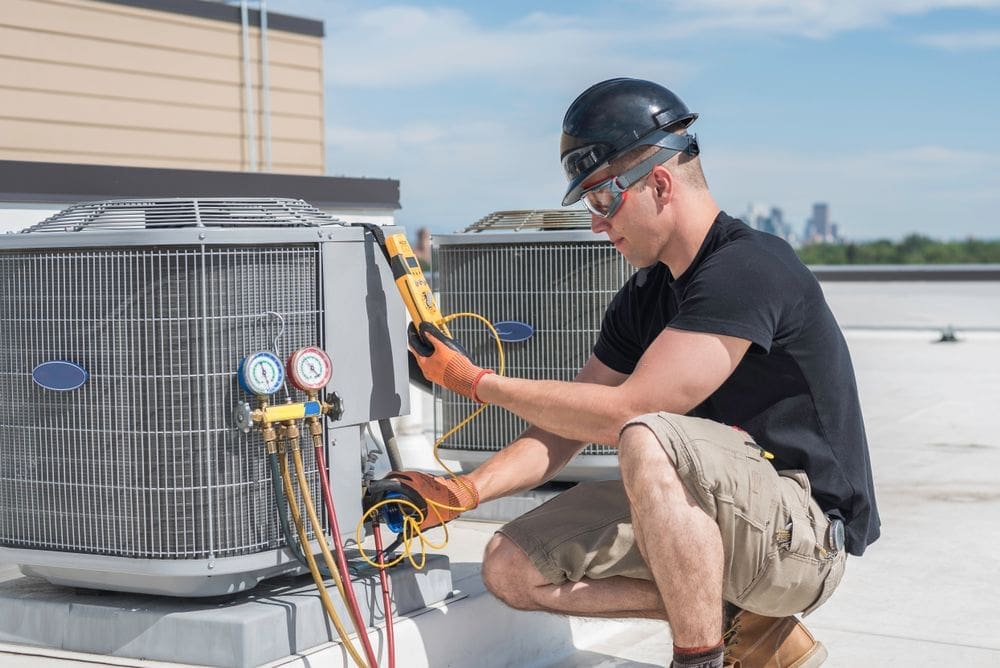
While furnaces are indoor equipment, many Colorado Springs homes have heat pumps, air conditioning condensers, or outdoor components of high-efficiency furnaces requiring snow-season preparation:
Clear the Area Around Outdoor Units
Remove leaves, grass clippings, branches, and debris from around outdoor equipment. Colorado's fall winds deposit substantial debris before snow arrives. This material can block airflow, get sucked into equipment, or create fire hazards near high-efficiency furnace exhaust vents.
Maintain at least two feet of clear space around all outdoor HVAC components. Trim back vegetation that grew during summer, ensuring snow accumulation won't push plants against equipment.
Elevate Units Above Expected Snow Level
If your outdoor equipment sits directly on the ground or on low platforms, consider whether snow accumulation might bury components. Colorado Springs averages 38 inches of snowfall annually, but individual storms can dump 12-18 inches. North-facing locations or areas prone to drifting might see even deeper accumulation.
High-efficiency furnaces exhaust through PVC pipes typically located 12-18 inches above ground. Deep snow can bury these vents, causing dangerous exhaust backdrafting into your home. If vents are low to the ground, mark their locations clearly so you can keep them clear during snow events.
Install Protective Covers Appropriately
Air conditioning condensers don't need operation during winter, so protective covers seem logical. However, improper covering can cause problems. Never completely seal outdoor equipment—condensation needs to escape or you'll trap moisture causing rust and electrical problems.
If you cover AC units, use breathable covers that shed precipitation while allowing air circulation. Remove covers if you have a heat pump that needs outdoor unit operation during winter—covering operating equipment causes failures.
High-efficiency furnace vents should never be covered. Some homeowners mistakenly cover these thinking they're AC components. Blocked furnace vents create carbon monoxide hazards and system failures.
Indoor Preparation Tasks
Beyond equipment-specific tasks, whole-house preparation improves heating efficiency and comfort during snow events:
Reverse Ceiling Fans
Heat rises, collecting uselessly at ceiling level. Ceiling fans can redistribute this heat, but only if running in the correct direction. Winter operation requires clockwise rotation (when looking up at the fan), pulling air up and pushing warmer ceiling air down along walls.
Most fans have direction switches on the motor housing. Reverse fans before heating season begins, running them on low speed during winter. This gentle circulation improves comfort and reduces heating costs without creating cooling breezes.
Seal Air Leaks
Colorado Springs' mild autumn weather makes air leaks irrelevant—a little extra ventilation feels pleasant. Winter transforms those leaks into expensive heat loss and comfort problems. Cold air infiltrating through gaps around doors, windows, and penetrations forces your furnace to work harder and creates uncomfortable drafts.
Before snow arrives, weatherstrip doors, caulk window gaps, seal around pipe and wire penetrations, install door sweeps, and apply foam sealant around outdoor faucets and dryer vents. These simple, inexpensive improvements can reduce heating costs by 10-20% while dramatically improving comfort.
Check Vents and Registers
Walk through your home verifying all heating vents are open and unobstructed. Summer furniture rearranging might have blocked vents. Closed registers in unused rooms seem like energy saving but actually reduce system efficiency by restricting airflow.
Modern furnaces are designed to heat the entire duct system. Closing vents increases system pressure, reducing efficiency and potentially damaging ductwork. Keep all vents open even in unused rooms, closing doors to those rooms if you want reduced heating.
Inspect and Clean Vents
Dust accumulation on supply vents restricts airflow. Return air vents clogged with dust reduce system efficiency and indoor air quality. Before heating season intensifies, vacuum all vents and registers thoroughly, removing accumulated dust.
If you haven't had ductwork professionally cleaned in several years and notice substantial dust, consider professional duct cleaning. Colorado's dry, dusty environment leads to significant dust accumulation in ducts, reducing efficiency and air quality.
Emergency Preparedness
Even with perfect preparation, equipment can fail. Major snow events can strand you at home for days. Emergency readiness ensures you can handle problems safely:
Stock Emergency Heating Supplies
Keep emergency heat sources available: electric space heaters rated for indoor use, extra blankets and warm clothing, sleeping bags rated for cold temperatures, and fireplace wood if you have a functional fireplace.
Never use outdoor propane heaters, camp stoves, or gas ovens for emergency indoor heat. These create deadly carbon monoxide risks. Electric space heaters are the safest supplemental heat source, though they're expensive to operate and limited in heating capacity.
Know Your HVAC Contractor's Emergency Procedures
Before you need emergency service, understand your HVAC company's availability and response times during severe weather. Reputable contractors offer emergency service but response times during blizzards are longer than normal due to dangerous travel conditions and high demand.
Save your contractor's phone number in your cell phone. Know whether they offer 24/7 emergency service and what additional costs emergency calls incur. Having this information before you need it prevents panic during actual emergencies.
Understand Basic Troubleshooting
Some furnace problems have simple solutions you can address without professional help. Before winter, learn these basics: how to reset your furnace using the reset button or circuit breaker, where your filter is located and how to replace it, how to relight a pilot light if you have an older furnace, and what error codes mean if your furnace has a diagnostic display.
This knowledge can restore heat quickly when issues have simple causes—tripped breakers, failed filters, or pilot lights blown out by drafts. More serious problems still require professionals, but handling simple issues yourself prevents unnecessary emergency calls.
Prepare for Power Outages
Snow events sometimes cause power outages. Even if your furnace is gas-fired, it requires electricity for blowers, controls, and ignition systems. Modern furnaces won't operate without power.
Consider whether a backup generator makes sense for your situation. Portable generators can power furnaces, refrigerators, and essential lights during outages. Whole-house generators provide seamless backup but cost significantly more.
At minimum, know where your circuit breaker panel is located and have flashlights with fresh batteries accessible. Fumbling in the dark trying to find your electrical panel during a winter power outage is miserable.
Post-Snow Maintenance Tasks
After snow arrives, ongoing maintenance keeps your system running reliably through winter:
Clear Snow From Outdoor Vents
After significant snowfall, check that high-efficiency furnace exhaust vents remain clear. Snow can drift against walls, burying vents. Blocked exhaust creates dangerous carbon monoxide buildup and causes furnace shutdowns.
Gently clear snow from around vent openings, being careful not to damage PVC pipes. Don't use metal shovels that might crack pipes—use a broom or your hands for clearing immediately around vents.
Monitor Filter Condition
During cold snaps when your furnace runs continuously, filters collect dust faster than normal. Check filters every two weeks during heavy-use periods, replacing when visibly dirty rather than waiting for calendar-based schedules.
Watch for Symptoms of Problems
Be alert to warning signs that service is needed: furnace cycling more frequently than normal, unusual noises, failure to reach set temperature, reduced airflow from vents, yellow burner flames instead of blue, or unusual odors when furnace runs.
Addressing small problems immediately prevents them from becoming expensive failures during the coldest weeks of winter when you're most dependent on reliable heat.
The Cost of Neglecting Preparation
Skipping pre-winter preparation seems like a time-saver until problems arise. Emergency furnace repairs during snow events cost 50-100% more than scheduled service. Parts availability is limited when everyone's furnace is running hard. Wait times for service extend to days rather than hours when HVAC companies are overwhelmed with emergency calls.
Beyond expense and inconvenience, furnace failures during severe weather create genuine safety risks, especially for elderly residents, young children, and pets. Pipes can freeze, causing expensive damage. Indoor temperatures can drop to dangerous levels within hours during sub-zero weather.
The modest cost and time investment of pre-season preparation is insurance against these far more serious problems.
Get Your System Winter-Ready Now
Don't wait for the first major snow. Winterrowd HVAC provides comprehensive pre-winter HVAC preparation ensuring your Colorado Springs home stays warm all season.
Schedule Winter Prep Service