It's 2am on a January night in Colorado Springs. Temperatures outside have dropped to 8 degrees. You wake up cold, check your thermostat, and discover your home has dropped to 55 degrees and falling. Your furnace isn't running. This emergency scenario happens to thousands of Colorado homeowners every winter, typically during the coldest weather when heating systems are pushed to their limits and you're most dependent on reliable heat.
Knowing exactly what to do in these first critical hours determines whether you stay safe and comfortable or face dangerous cold exposure, frozen pipes, and expensive damage. At 6,035 feet elevation where temperatures regularly plunge to single digits or below, a furnace failure isn't just an inconvenience—it's a genuine emergency requiring immediate action. This guide walks you through essential steps from the moment you discover the problem through getting your heat restored.
Immediate Actions: First 15 Minutes
When you discover your furnace has failed during extreme cold, these immediate actions protect your family and home:
Assess the Situation Quickly
Check your thermostat display. Is it showing power? Is it calling for heat? Note the current indoor temperature. This information helps diagnose problems and communicate effectively with HVAC technicians.
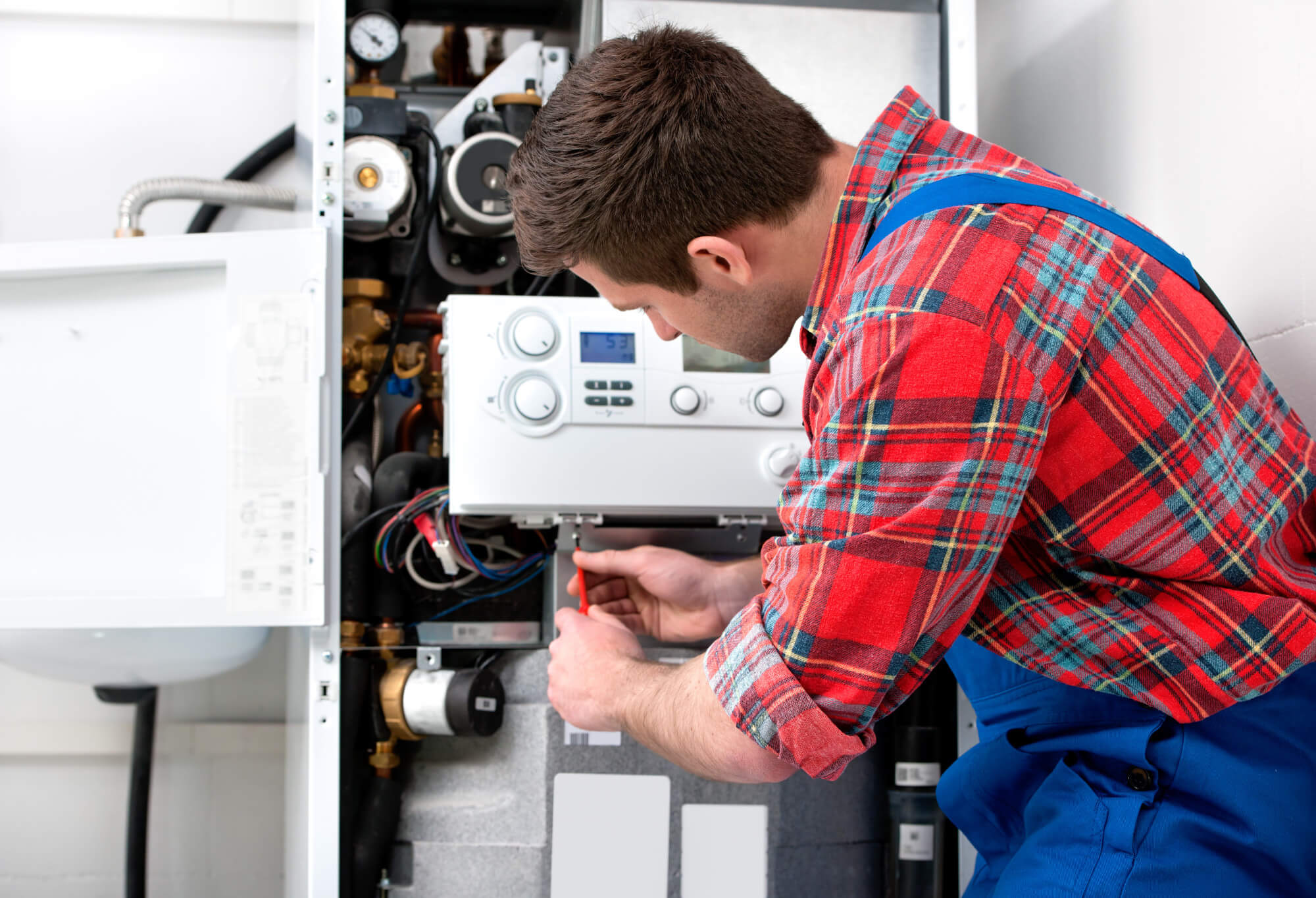
Listen and look at your furnace. Do you hear any sounds—clicking, humming, ignition attempts? Do you see any lights or error code flashes on the furnace control board? Note these observations.
Check for obvious problems: Has the emergency furnace shutoff switch (often looks like a light switch on the wall near the furnace) been turned off accidentally? Has the circuit breaker for your furnace tripped? Is your thermostat set correctly and calling for heat?
Protect Against Frozen Pipes Immediately
In Colorado Springs at 10 degrees or below, pipes can freeze within hours once indoor temperatures drop below 55 degrees, especially in basements, crawl spaces, and exterior walls.
Open cabinet doors under sinks to allow warmer room air to reach plumbing. Let faucets drip slightly—both hot and cold water—to keep water moving through pipes. Moving water resists freezing better than static water.
If you have a basement or crawl space with exposed pipes, direct portable heaters or fans toward vulnerable plumbing to maintain above-freezing temperatures in these critical areas.
Ensure Family Safety and Warmth
Gather family members in one or two rooms that you can keep warmest with emergency heating. Smaller spaces are easier to heat and insulate than trying to warm your entire home.
Add layers of clothing—multiple light layers trap heat more effectively than single heavy garments. Have family members wear hats indoors as significant heat loss occurs through uncovered heads.
If you have infants, elderly family members, or anyone with health vulnerabilities, prioritize their warmth. At altitude where bodies already work harder for oxygen, cold stress compounds health challenges.
Safe Emergency Heating Methods
While working to restore your primary heating, these emergency methods can keep you safe and comfortable:
Electric Space Heaters (Safest Option)
Modern electric space heaters with tip-over protection and automatic shutoff provide the safest emergency heat. Place heaters on flat, stable surfaces away from furniture, curtains, and anything flammable. Never use extension cords with space heaters—plug directly into wall outlets to prevent overheating and fire hazards.
Ceramic and oil-filled radiator heaters work well for continuous operation. Avoid older heaters with exposed heating elements. Never leave space heaters unattended or running while sleeping unless they're specifically rated for unattended operation.
Understand your electrical system's limits. Most homes can safely run 2-3 space heaters on different circuits. If you keep tripping breakers, you're overloading circuits—reduce heater usage or rotate which ones run.
Fireplaces and Wood Stoves
If you have a working fireplace or wood stove, it provides excellent emergency heat. Ensure your chimney is clear and safe to use. Never burn anything except appropriate firewood—cardboard, treated wood, or trash create toxic fumes and dangerous creosote buildup.
Keep fireplace screens or doors closed while burning to prevent sparks from reaching carpet or furniture. Never leave fires unattended. Ensure adequate ventilation—even fireplaces consume oxygen and require air circulation.
Many Colorado Springs homes have gas fireplaces that operate independently of the furnace. If yours has battery backup or standing pilot ignition, it can provide significant heat during power-dependent furnace failures.
What NOT to Do
Several seemingly helpful heating methods are extremely dangerous and cause deaths every Colorado winter:
Never use your oven or stovetop for heating. Gas ovens produce carbon monoxide in enclosed spaces. Electric ovens aren't designed for space heating and create fire hazards. Both waste energy and won't effectively heat your home.
Never use generators, grills, or camping stoves indoors. These produce deadly carbon monoxide levels in enclosed spaces. Every winter, Colorado emergency rooms treat carbon monoxide poisoning from these sources. Even running a generator in an attached garage with the door open allows CO to enter your home.
Never use propane or kerosene heaters indoors unless specifically rated for indoor use. Most produce dangerous fumes and consume oxygen. The few models rated for indoor use require extensive ventilation that defeats their heating purpose in emergencies.
Troubleshooting Steps Before Calling for Service
Several simple issues cause furnace failures that homeowners can resolve without service calls:
Check Thermostat and Power
Replace thermostat batteries if your model uses them. Dead batteries prevent the thermostat from calling for heat even though it might still display information.
Verify your thermostat is set to "heat" mode and the temperature setpoint is above current indoor temperature. Some thermostats have holds or schedule overrides that prevent heating.
Check the circuit breaker panel. Furnaces typically use two breakers—one for the furnace itself and one for the air handler or blower. Verify both are in "on" positions. If a breaker has tripped, reset it once. If it trips again immediately, don't keep resetting—this indicates electrical problems requiring professional service.
Verify the Emergency Shutoff Switch
Locate the emergency furnace shutoff—usually a wall switch near the furnace that looks like a standard light switch. This might have been accidentally switched off during basement work or by someone unfamiliar with its purpose. Flip it to "on" if it's off.
Check and Replace the Air Filter
A severely clogged filter can cause furnaces to shut down on safety limits. Remove your filter—if it's completely blocked with dust, replace it immediately. Some furnaces won't run with extremely restricted airflow.
Look for Error Codes
Modern furnaces display error codes through flashing LED lights or digital displays. Count the number of flashes or note the code displayed. Your furnace owner's manual (often tucked inside the furnace panel door) may list code meanings. This information helps technicians diagnose problems quickly, even over the phone.
When to Call Emergency HVAC Service
Some situations require immediate professional service rather than waiting for regular business hours:
Call Emergency Service If:
Outdoor temperatures are below 20 degrees and dropping—at these temperatures, frozen pipe damage becomes likely within hours of furnace failure. The cost of emergency service is far less than repairing burst pipes and water damage.
You smell gas anywhere in your home—this requires immediate action. Leave your home, don't operate any electrical switches or create sparks, and call your gas company emergency line immediately. Also contact emergency HVAC service once the gas company has addressed immediate safety.
You detect carbon monoxide or your CO detectors alarm—evacuate immediately. Carbon monoxide is deadly, colorless, and odorless. Get everyone into fresh air and call 911. Don't re-enter your home until emergency responders verify safety.
Your home temperature drops below 45 degrees—at this point, frozen pipe risk is critical. Waiting until morning for regular service hours risks expensive damage.
You have infants, elderly family members, or anyone with serious health conditions vulnerable to cold—their safety justifies emergency service costs.
Wait Until Regular Hours If:
Outdoor temperatures are moderate (above 35-40 degrees) and your home is maintaining above 55 degrees—you're uncomfortable but not in danger. Emergency service fees (typically $150-400 above normal rates) may not be necessary.
You have adequate emergency heating from fireplaces, space heaters, or other sources keeping your home safely warm overnight—you can wait for regular hours if you're comfortable and safe.
The failure occurs early in the day when you can reach HVAC companies during business hours—you'll avoid emergency fees while still getting same-day service.
What to Expect from Emergency Service
Understanding emergency HVAC service helps you prepare and make informed decisions:
Response Times
Emergency HVAC service in Colorado Springs typically responds within 2-4 hours during extreme weather, though this varies based on call volume. During major cold snaps when many furnaces fail simultaneously, response times may extend to 4-8 hours.
When you call, provide accurate information: your exact symptoms, error codes if any, basic troubleshooting you've already completed, outdoor temperature, and current indoor temperature. This helps technicians prioritize calls and bring appropriate parts.
Emergency Service Costs
Expect to pay emergency service fees ranging from $150-400 beyond normal diagnostic and repair costs. These fees compensate technicians for working nights, weekends, and holidays in harsh weather conditions.
While expensive, emergency service prevents frozen pipe damage that easily costs $5,000-15,000 to repair, making the premium worthwhile during genuine emergencies.
Ask about costs upfront. Reputable HVAC companies clearly explain their emergency fee structure before dispatching technicians.
Common Emergency Repairs
Furnace failures during extreme cold typically involve these issues:
Ignition system failures: Hot surface ignitors crack or fail, pilot lights blow out, or flame sensors become too dirty to detect flames. These repairs typically cost $150-400 including parts and labor.
Pressure switch problems: High-efficiency furnaces use pressure switches to verify proper venting. At altitude and during extreme cold, these can malfunction. Replacement costs $200-400.
Limit switch trips: Restricted airflow (often from extremely dirty filters) causes heat buildup, tripping safety limits. Cleaning or replacing limit switches costs $150-350.
Blower motor failures: Blower motors work harder during extreme cold to circulate heat. Older motors can fail during peak demand. Replacement costs $400-800 depending on motor type.
Preventing Future Emergency Failures
Once you've survived a furnace failure emergency, prevention strategies reduce the chance of recurrence:
Annual Pre-Winter Maintenance
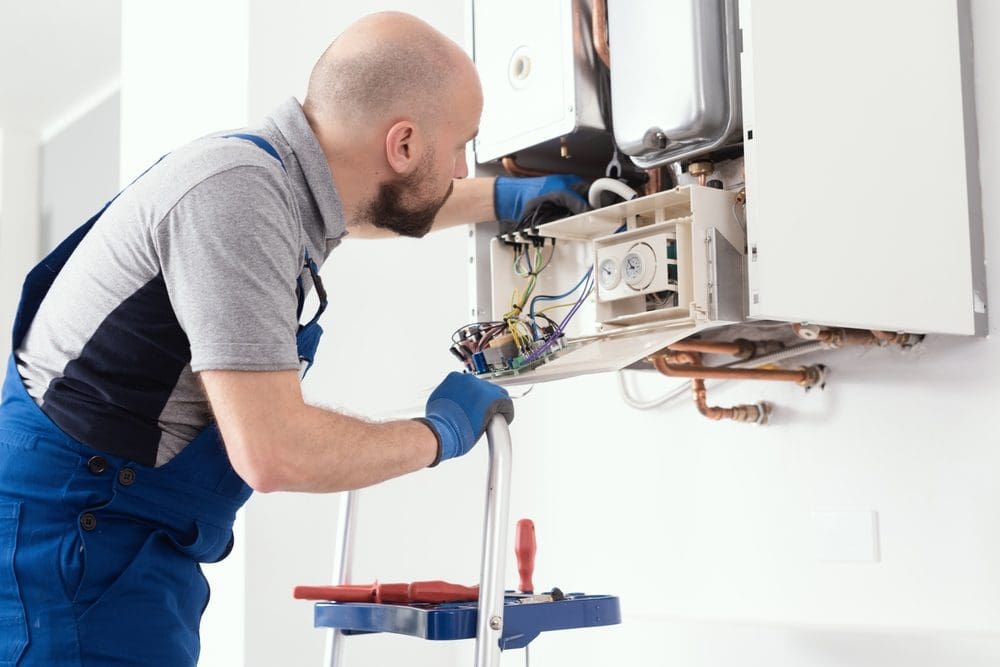
Professional furnace maintenance before heating season identifies developing problems while they're minor and inexpensive. Technicians clean components, test safety systems, verify combustion efficiency, and replace wearing parts before they fail.
This $100-150 annual investment prevents most emergency breakdowns. Components don't usually fail without warning—annual maintenance catches warning signs.
Keep Emergency Supplies Ready
Maintain emergency preparedness supplies including: one or two quality electric space heaters, fresh batteries for thermostats and flashlights, contact information for your HVAC contractor, extra furnace filters in the correct size, and blankets stored accessibly for cold emergencies.
Keep your furnace owner's manual accessible—it contains troubleshooting information and error code explanations valuable during emergencies.
Know Your System
Locate your furnace emergency shutoff switch, circuit breakers, and gas shutoff valve before emergencies occur. Understanding where these controls are and how to operate them helps you respond quickly when problems arise.
Learn your furnace age and model. Systems over 15 years old face higher failure risk, especially during extreme cold when they're working hardest. If your furnace is aging, budget for replacement before emergency failure forces expensive rushed decisions.
Consider Backup Heating Options
For Colorado Springs homes in remote areas or with vulnerable family members, backup heating options provide peace of mind:
Gas fireplaces with battery backup or standing pilots work during furnace failures. High-efficiency space heaters stored in the garage provide immediate warmth. Some homeowners install dual fuel systems—heat pumps for normal conditions with gas furnaces as backup for extreme cold and emergencies.
The Bigger Picture: System Reliability
Furnace failures during extreme cold remind us that reliable heating isn't optional in Colorado Springs. At 6,035 feet where single-digit temperatures are routine and below-zero cold occurs every winter, your heating system is essential infrastructure.
Regular maintenance, timely repairs of minor issues, and replacement of aging equipment before emergency failure provides better value than repeatedly dealing with emergency breakdowns. The peace of mind knowing your heat will work when temperatures plunge to 5 degrees on a January night is worth the investment in proper HVAC care.
If your furnace is reaching the end of its expected lifespan, plan replacement during moderate weather when you can research options, compare contractors, and make thoughtful decisions—not at 3am when your home is 50 degrees and dropping.
24/7 Emergency Heating Service
Winterrowd HVAC provides round-the-clock emergency furnace repair throughout Colorado Springs. Our technicians respond quickly during extreme weather when you need heat most.
Get Emergency Service Now